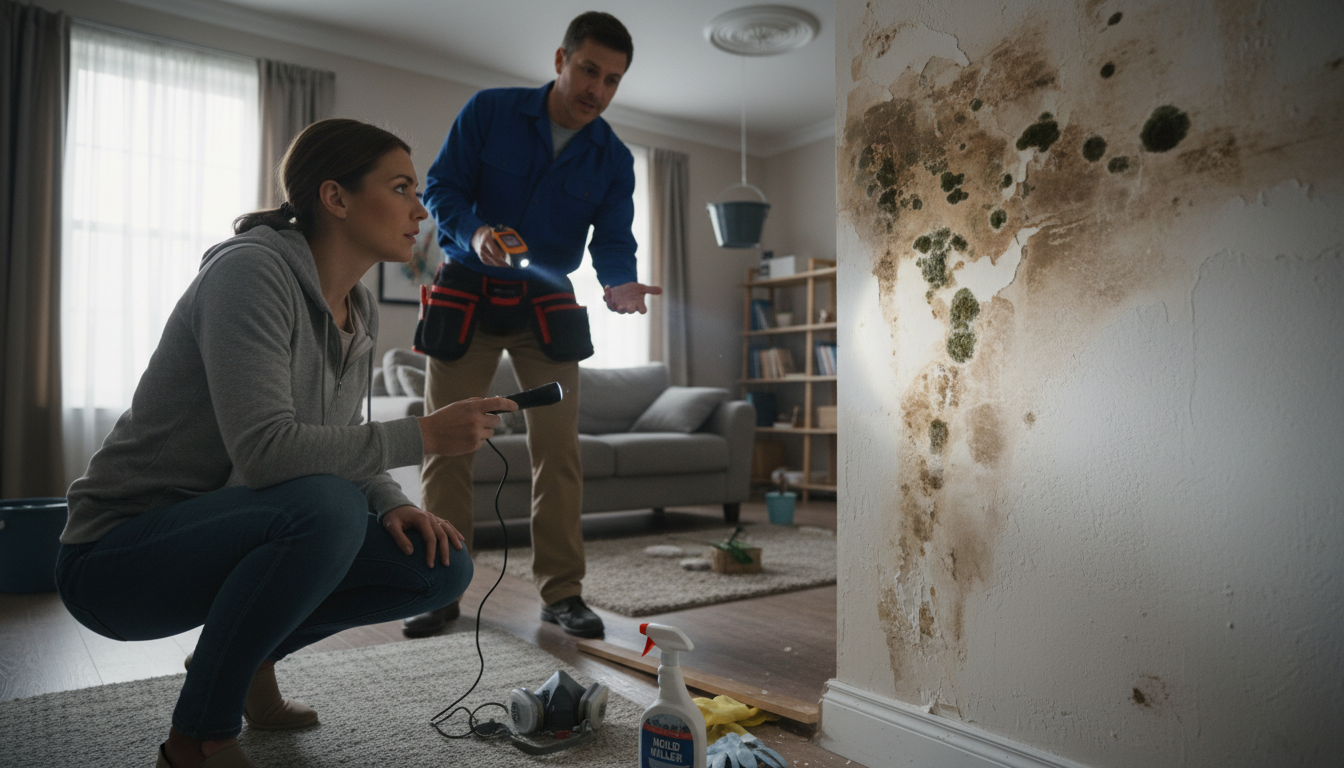
Surprising fact: visible mold can appear in as little as 18 to 21 days after a leak, and the EPA says spores can start growing within 24 to 48 hours after moisture hits your property.
You want to know what your policy will pay for when moisture causes harm in your living space. Many policies treat sudden events and long-term neglect very differently.
When you file a claim, an adjuster looks for a covered cause, not just the result. That means a burst pipe may trigger payment, while slow leaks often fall outside standard coverage.
Documenting losses fast improves your odds. Take photos, note dates, and keep receipts. Also check whether any endorsements add limited help for mold damage after a covered loss.
Key Takeaways
- Act quickly: growth can begin within 48 hours and be visible in weeks.
- Most policies favor sudden perils over long-term maintenance issues.
- File a clear claim with evidence to improve approval chances.
- Special endorsements may be needed for remediation costs.
- Review your policy limits and exclusions before disaster strikes.
Understanding the Basics of Mold Coverage
Start by learning how insurers treat fungal growth in policy language. Your homeowners insurance will often view mold as a maintenance issue that you must prevent with routine care.
Insurer forms—many based on ISO wording from the early 2000s—limit mold coverage and spell out when a claim is valid. If mold damage follows a sudden, covered peril, the company may pay remediation as part of the repair effort.
Most policies exclude routine cleanup because carriers expect homeowners to fix leaks and control humidity. Limits often appear as per-claim or aggregate caps, so payouts can be small even when a claim is accepted.
- Act fast: mold poses a real health risk and can spread quickly.
- Document cause: insurer will check if neglect led to growth.
- Read your policy to learn specific mold coverage and limits.
| Issue | Typical Stance | Who Is Responsible | Notes |
|---|---|---|---|
| Slow leak | Usually excluded | You | Seen as maintenance; claims often denied |
| Burst pipe | Often covered | Company | Remediation may be paid if sudden peril is proven |
| Aggregate losses | Limited payouts | Company | Per-claim or lifetime caps may apply |
| Preventive care | Not covered | You | Proper maintenance reduces denied claims |
Does Homeowners Insurance Cover Water Damage and Mold Removal
Start by separating claims that seek repairs for your property from those that respond to injuries a guest may suffer. That split shapes which part of an insurance policy applies and what you can expect when you file.
Defining First-Party Claims
First-party claims pay to restore the dwelling, replace personal items, or fund temporary living costs after a covered event. If a burst pipe triggers moisture, the insurer may fund mitigation and related mold cleanup as part of the repair.
You should check policy limits and whether mold coverage applies as a primary cause or only as a secondary result of a covered peril.
Understanding Liability Coverage
Liability handles third-party losses. If a guest becomes ill from exposure at your place, liability may pay medical bills or a settlement if you are found responsible.
- Chubb often includes remediation for high-end property after a covered peril.
- Allstate typically caps standard mold payouts; $5,000 per claim is common in many forms.
- Insurer classification decides whether a claim is first-party repair or third-party liability.
| Claim Type | What It Pays | Typical Limits | Common Cause |
|---|---|---|---|
| First-party | Repairs, contents, ALE | Per-claim or aggregate caps | Burst pipe or sudden leak |
| Liability | Medical, legal costs | Per occurrence limits | Guest illness linked to exposure |
| Endorsement | Expanded mold coverage | Specific dollar limits | Added by endorsement |
| Excluded | Neglect, wear | Not covered | Long-term leaks |
Tip: For steps to respond fast after a leak, see the guide to respond immediately to water damage. Acting quickly boosts the chance an insurer treats the event as a covered cause.
The Role of Covered Perils in Your Policy
Named perils are the gatekeepers that decide whether a claim gets financial support. Read your declarations page to see which events trigger benefits for your home. If the cause is listed, the policy will respond; if it is not, you may pay out of pocket.
Common Named Perils
Typical perils include fire, lightning, explosions, hail, and falling objects. A storm that breaks a window is often a listed peril. In that case, resulting water effects and possible mold may be eligible.
Many policies treat plumbing failures differently. Sudden events like a burst pipe often qualify, while slow leaks do not. Always document the exact cause and timeline to support your claim.
- Check your contract: named perils vary by policy.
- Act fast: visible mold can take up to 18 days to show.
- Prove cause: insurers link payments to the listed peril.
Why Standard Policies Often Exclude Mold
Many policies now limit fungal claims because remediation can be shockingly expensive. After the late 1990s surge in high-profile cases, standard forms were tightened to avoid repeated, costly payouts.
Industry changes came when the ISO rewrote wording around 2002. That shift narrowed typical homeowners insurance policies and made mold coverage rarer in base contracts.
Remediation costs helped drive the change. Professional cleanup can run roughly $10 to $25 per square foot, so companies moved to restrict losses that once flooded their books.
- Neglect claims: insurers often deny a claim if poor maintenance caused the problem.
- Endorsement option: some carriers sell a separate endorsement to add limited mold remediation to your policy.
- Covered cause matters: even with a policy, the company can reject a claim if the underlying peril isn’t listed.
Read your insurance policy closely. If you want broader mold coverage, ask your insurer about endorsements that expand protection for your property.
Distinguishing Between Sudden Damage and Neglect
“Know the timing, and you may save a claim.” You must learn to tell sudden incidents from slow decline when a claim is at stake. That split often decides whether homeowners insurance will respond.
Identifying Wear and Tear
Wear and tear means gradual decay. Fixtures, seals, and finishes fail over years. Most insurance cover excludes this kind of loss.
If a long-term leak causes mold, an insurer will likely call it neglect. You are expected to maintain your home and fix small problems before they grow.
The Impact of Delayed Repairs
A burst pipe that soaks a floor may trigger payments if you act fast. But delayed repairs let mold spread and weaken your claim.
- Document dates and repairs to show a sudden cause.
- Fix known leaks quickly; slow response looks like homeowner negligence.
- Keep receipts and photos to help adjusters separate sudden events from routine wear.
Bottom line: insurers focus on cause and timing. Prompt action, clear records, and routine upkeep help protect your coverage.
How Flood Events Impact Your Coverage
Flood events change the rules for claims fast. Standard homeowners insurance rarely lists rising waters as a named peril. That means you usually need a separate flood insurance policy to protect your home.
Keep in mind: the EPA says mold growth can begin within 24 to 48 hours after a flood. If a natural flood affects your areas, you may face rapid fungal spread and high cleanup costs.
“If you lack a separate flood policy, you’ll likely absorb clean-up expenses.”
- Federal NFIP plans often exclude mold damage; check your paperwork.
- Private flood policies vary; some add limited remediation while others do not.
- Dry affected areas fast and control humidity to reduce further loss.
Bottom line: verify your policy limits and endorsements before a storm. If you expect flood risk where you live, prepare a plan and consider a dedicated flood insurance product to protect your property and possessions.
Navigating Sewer Backup and Sump Pump Issues
Sewer backups and failed sump pumps create a unique risk that standard policies usually exclude. You should consider a specific endorsement to protect your basement and belongings.
Most insurers sell a water backup and sump pump overflow add-on. That endorsement often extends to cleanup and may include limited mold remediation after mitigation.
Even with the add-on, many forms still exclude mold caused by a sewer source. Check with your carrier to learn what they offer and what limits apply.
If a backup happens, act fast to dry and document everything. Take dated photos, keep receipts for cleanup, and log when you discovered the problem.
- Proof matters: insurers want evidence the loss was sudden and accidental, not neglect.
- Know your caps: backup claims often have specific dollar limits on payouts.
- File a prompt claim: include photos and contractor notes to support your case.
Bottom line: ask your insurer about a backup endorsement and how it interacts with flood insurance. That extra step can save you from a costly cleanup issue after a sewer event.
The Reality of Construction and Repair Defects
Poor construction or sloppy repairs often cause hidden fungal growth that a policy will treat as a contractor issue, not a claim.
In short: builders and contractors are usually on the hook when bad work lets moisture into walls or roofs.
Most homeowners insurance will deny a claim when mold stems from faulty materials or shoddy workmanship. If a new addition shows mold damage, the company will likely point to the proximate cause—construction error—not a listed peril.
If you suspect poor work, pursue restitution from the contractor or the firm that did the job. Your policy is not a warranty for repair quality.
There is one exception: if the repair followed a covered loss, you may have coverage for later mold that appears because of that work. Always document dates, photos, and contractor reports.
Quick checklist:
- Inspect new construction for seepage or hidden moisture.
- Document any mold you find after repairs.
- Contact your agent to tie the issue to a prior covered claim if possible.
Essential Steps for Filing a Successful Claim
Start by stopping the source. Shut off the main water if a leak threatens your home, or cover a roof hole to slow intrusion. These quick steps show the company you acted responsibly.
Document everything. Take dated photos—wide shots and close-ups—and keep notes that explain when you found the problem. If visible mold appears later, your timeline helps prove cause.
Rent portable gear like a wet/dry vac and heaters to dry areas fast. Save receipts for materials and rentals; an insurance policy may reimburse reasonable mitigation costs.
Clean and record routine work. Wiping surfaces with detergent limits bacterial risks and supports your filing claim. Log cleanup steps and keep all bills for possible remediation payouts.
- Stop the leak or burst source immediately.
- Photograph the scene and keep dated notes.
- Dry affected areas and keep receipts for rentals and supplies.
- Contact your adjuster if issues appear after repairs so you can file claim updates.
Mitigating Further Damage After a Water Event
After a wet event, a quick record of actions tells a clearer story to your adjuster. Start by stopping ongoing intrusion, then protect the area to limit spread. Your swift actions help preserve both the property and the strength of any filing claim.
Documenting the Damage
Take dated photos and notes: shoot wide views and close-ups of affected walls and surfaces. Log when you found each sign and any steps you took.
Keep receipts for rentals, cleanup supplies, and contractor visits. This paper trail supports your claim and shows you acted to limit loss.
Drying Out Affected Areas
Remove soaked items like rugs, mattresses, and insulation. Open doors and windows when safe to speed drying.
Run fans and dehumidifiers to hold down humidity levels. Persistent moisture breeds mold, so dry thoroughly and monitor walls and floors for new signs.
Communicating with Your Adjuster
Call your adjuster early and share the mitigation log. Explain what you did to stop further harm and provide photos and receipts.
Be proactive: timely updates show you tried to limit loss, which often improves the chance an insurance cover or homeowners insurance policy will respond.
| Step | Why It Matters | What to Save |
|---|---|---|
| Photograph scene | Proves timeline | Wide and close photos, timestamps |
| Dry areas | Prevents spread | Rental receipts, logs of equipment use |
| Notify adjuster | Keeps claim current | Emails, call logs, adjuster name |
Proactive Strategies to Prevent Mold Growth
Preventing fungal growth starts with simple, routine checks around pipes and appliances. Look for early signs and fix small problems before they turn into bigger loss.
Keep humidity low. Aim for 30–60% indoors. A dehumidifier in damp rooms helps, and exhaust fans in kitchens and baths pull out moist air fast.
Inspect your roof, gutters, and attic for seepage. Clean gutters so rain flows away from the foundation. Replace old hoses on dishwashers and washers before they fail.
- Wipe non-porous surfaces with a mold-killing cleaner; use bleach alternatives on wood and drywall.
- Install smart sensors for humidity and leaks to get early alerts before a major issue.
- If you notice musty smells or dark spots, call a pro to inspect right away—early action limits spread.
Routine maintenance is your best defense. Most insurance policies won’t help for problems that stem from long-term neglect, so staying proactive protects your home and any future claim or coverage needs.
Evaluating the Costs of Professional Remediation
Expect wide price swings. The national average for a remediation project is about $2,364, but the final amount depends on how large the affected area is and the type of growth you face.
Small bathroom jobs often run $500–$1,000. If the issue has spread into framing or tile, costs can climb past $8,000.
Basement work usually costs more. You might pay up to $3,000 for cleanup and as much as $7,300 to add proper waterproofing to prevent future problems.
Some species pose greater health risks, and professionals charge more when testing and containment are required. Replacing structural elements like walls, showers, or trim will push the bill higher than surface cleaning alone.
- Get a local inspection to get an accurate estimate for the total project.
- Check with your company before hiring a pro; they may have preferred vendors or rules for how to file claim.
- Prioritize routine maintenance to reduce future risk and long-term costs.
Bottom line: budget for more than cleaning. Plan for testing, repairs to walls and surfaces, and preventive fixes so you don’t face repeat work later.
Conclusion
Proactive care and quick action can save you thousands if moisture ever reaches your home.
Understanding whether your homeowners insurance cover water damage and mold removal helps protect your property and wallet. Read your declarations and limits so you know what an insurance policy will pay.
Most plans exclude fungal issues unless a listed peril caused them. Ask your agent about an endorsement that expands insurance cover mold and lets the plan cover mold under set limits.
If you face a wet event, act fast, document everything, and keep records to support any filing claim or appeal. If denied, you can challenge the decision or contact your state regulator for help.
Stay proactive: routine checks, quick drying, and early fixes cut the odds of costly mold remediation and reduce future mold claims.