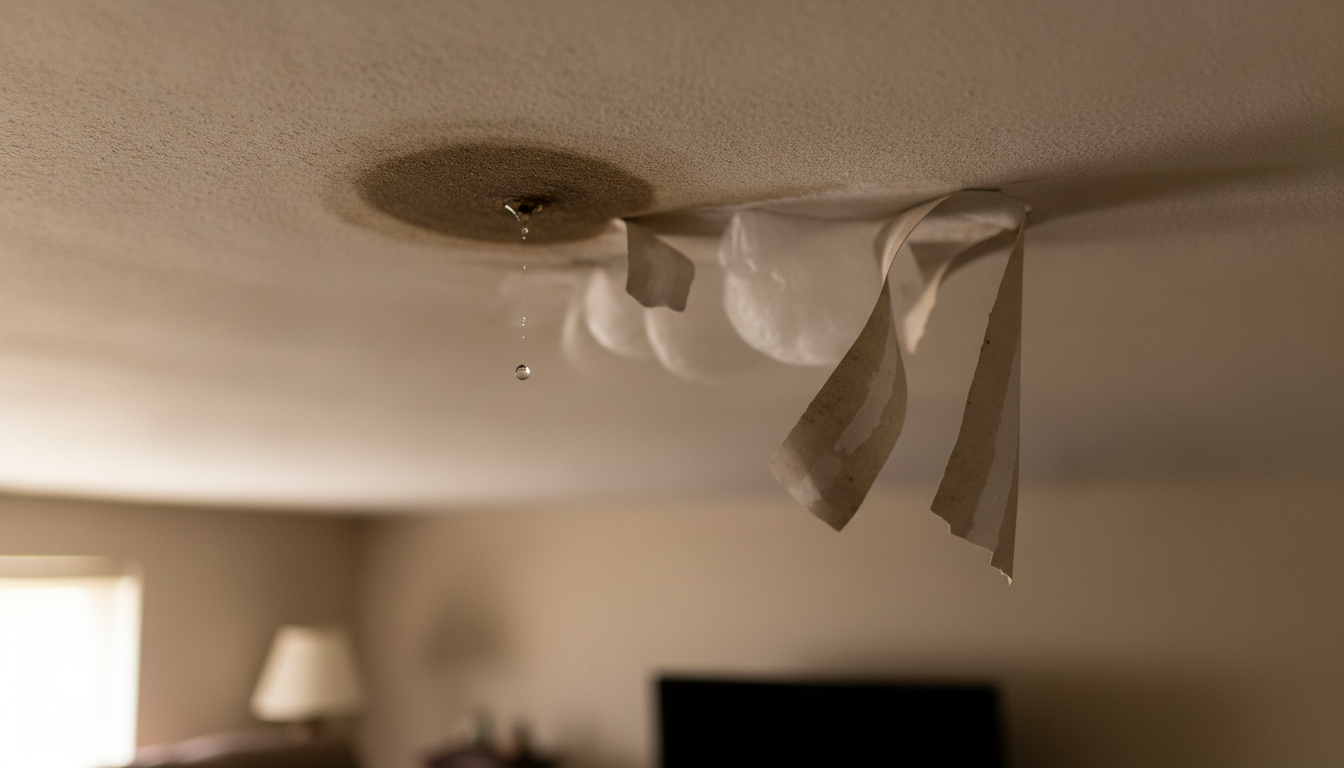
As a homeowner, being aware of potential issues in your home is crucial. One of the most concerning problems is when you notice a leak in your ceiling. If left unchecked, it can lead to severe consequences for your property. Early detection is key to preventing extensive harm and costly repairs.
Understanding the early indicators of moisture issues allows you to take action before the situation worsens. For instance, discoloration or dark spots can signal the presence of moisture. Additionally, peeling paint may indicate trapped moisture behind the surface. If you act quickly, you can mitigate the damage and protect your investment.
With over 2,300 franchise locations, SERVPRO is ready to assist you with any restoration needs you may face. They provide professional help when dealing with moisture-related issues in your home. For more information on effective repair methods, check out this effective drywall repair guide.
Key Takeaways
- Identifying issues early can prevent rapid destruction to your home.
- Quick action improves your chances of stopping further harm.
- Understanding indicators helps you gather resources for repairs.
- Professional assistance is available through SERVPRO’s extensive network.
- Regular inspections can help catch problems before they escalate.
Understanding Ceiling Water Damage Basics
Being proactive about your home’s condition is key to avoiding costly repairs. Understanding the fundamentals of moisture-related issues can help you spot problems early. This knowledge is essential for maintaining your home and ensuring its longevity.
Ceiling water issues occur when moisture seeps into the structural layers of your home. If left unchecked, this can lead to significant complications. Rainbow Restoration, with over 40 years of experience, highlights that such damage often signals deeper structural concerns.
Moreover, excess moisture creates a perfect breeding ground for mold. This unwanted growth can appear as fuzzy or slimy patches on your ceilings, which can be harmful to your health. Recognizing these signs is crucial for maintaining a safe living environment.
- Moisture infiltration can lead to severe structural issues if not addressed.
- Understanding the basics helps you identify when to seek professional restoration services.
- Persistent moisture can compromise the integrity of your ceilings, making timely intervention vital.
Identifying Ceiling Water Damage Signs
Recognizing potential issues in your home can save you from costly repairs. It’s essential to know the indicators of moisture problems. Early detection can prevent extensive damage and keep your home safe.
Stains and Discoloration on Ceilings
Look for yellow or brownish stains on your ceilings. These discolorations often indicate that moisture has leaked onto materials like drywall. Catching these signs early is crucial to preventing further issues.
Peeling, Cracking, and Bubbling Paint
If you notice paint or wallpaper bubbling, cracking, or peeling, it may be a sign of prolonged moisture exposure. This often means there is a serious underlying leak that needs immediate attention.
Sagging or Bulging Areas
Sagging or bulging areas on your ceiling can indicate accumulated moisture. This can weaken the materials significantly, leading to more severe problems. Always inspect these areas closely.
Mold growth can also appear as dark spots or patches on your ceiling. This not only poses health risks but can also further damage your home’s materials. Regular inspections of your walls and ceilings are essential for maintaining a safe environment.
Common Causes of Ceiling Water Damage
Understanding the sources of moisture problems is essential for maintaining your home. Various factors can lead to issues that compromise your ceilings and overall structure. Identifying these causes early can save you from costly repairs down the line.
Roof leaks are often a primary source of moisture. Damaged or missing shingles can allow water to seep through, leading to serious complications. It’s crucial to inspect your roof regularly to prevent this issue.
Another common culprit is plumbing problems. Burst pipes or leaks can release large amounts of water, causing immediate damage. Additionally, poor ventilation can create condensation, weakening ceiling materials over time and encouraging mold growth.
Don’t overlook the impact of clogged gutters. They can cause water to overflow, saturating exterior walls and leading to leaks. Regular maintenance of your gutters can help prevent these issues.
Steps to Take When You Discover Water Damage
Discovering issues in your home can be alarming, but knowing the right steps to take can help you regain control. When you notice moisture or leaks, swift action is crucial to prevent further complications.
First, locate and stop the source of the leak. This will help prevent additional destruction to your property. Here are some immediate actions you should consider:
- Place buckets under the leak to catch dripping moisture and protect your flooring.
- Move furniture and belongings away from the affected area to avoid further damage.
- If the water has reached electrical fixtures, turn off the electricity at the circuit breaker for safety.
- Contact a professional restoration company like SERVPRO to handle the remediation effectively.
- Document the damage with photos or videos for insurance purposes, as this will be essential when filing a claim.
Taking these steps promptly can significantly mitigate damage and protect your home. If the situation feels overwhelming, don’t hesitate to call in the experts.
Preventative Measures and Maintenance Tips
Staying ahead of potential issues in your property is essential for maintaining its value. Regular upkeep can prevent costly repairs and ensure a safe living environment. Here are some effective strategies to keep your home in top shape.
Routine Inspections and Proper Ventilation
Conduct regular roof inspections to check for damaged shingles. This is a key preventative action to stop moisture from entering your home. Additionally, ensure proper ventilation in bathrooms and kitchens by using exhaust fans. This helps reduce condensation and prevents mold growth.
Gutter Cleaning and Pipe Maintenance
Maintain your gutters and downspouts by cleaning them regularly. This ensures water flows away from your property, preventing potential leaks. Regularly inspect your plumbing pipes and appliances for signs of leaks. Catching these issues early can save you from expensive future repairs.
| Maintenance Task | Frequency | Benefits |
|---|---|---|
| Roof Inspection | Twice a year | Prevents leaks and structural damage |
| Gutter Cleaning | Every 3 months | Stops overflow and protects walls |
| Pipe Inspection | Annually | Identifies leaks early |
| Ventilation Check | Every 6 months | Reduces mold growth |
Consider using moisture-resistant materials like Trusscore PVC panels in damp areas of your home. This can help avoid the common problems associated with traditional drywall.
Emergency Response & Safety Guidelines
Understanding emergency protocols can help you manage serious issues in your living space effectively. When you notice a leak or sagging area in your ceilings, it’s crucial to act quickly. Your safety is the top priority during any incident.
Ensuring Safety and Turning Off Utilities
If you suspect a significant leak, the first step is to evacuate the area immediately. Then, turn off your utilities, including electricity and water, to prevent further complications. If you notice a sagging ceiling, carefully release the water pressure by making a small hole in the center. This can help prevent a sudden collapse.
Documenting Damage for Repairs and Claims
Once the immediate danger has passed, document all damage thoroughly with photos and videos. This evidence is essential for your insurance claim and any necessary professional restoration repairs. Be aware that lingering moisture can lead to mold growth, so avoid attempting major repairs yourself if the damage is severe.
- Your primary safety priority during a ceiling collapse is to evacuate the area immediately and contact emergency services to secure the property.
- If you notice a sagging ceiling, carefully release the water pressure by making a small hole, which can prevent a sudden, dangerous collapse.
- Always turn off your utilities, including electricity and water, if you suspect that a leak has compromised the wiring or structural integrity.
- Document all damage thoroughly with photos and videos, as this evidence is crucial for your insurance claim and subsequent professional restoration repairs.
- Be aware that water damage can lead to mold growth and structural issues, so do not attempt major repairs yourself if the damage is severe.
Conclusion
Your home is your sanctuary, and being aware of its needs is vital. Recognizing early indicators can help protect your property from long-term structural and aesthetic issues. By staying vigilant with regular maintenance, you can pinpoint potential leaks before they escalate.
Remember, professional restoration services are here to guide you through the repair process if you face significant issues. Addressing stains, mold, or sagging drywall promptly will save you time and money while ensuring a safe living environment.
Taking proactive steps today ensures that your home remains a dry, safe, and beautiful space for you and your family for years to come.