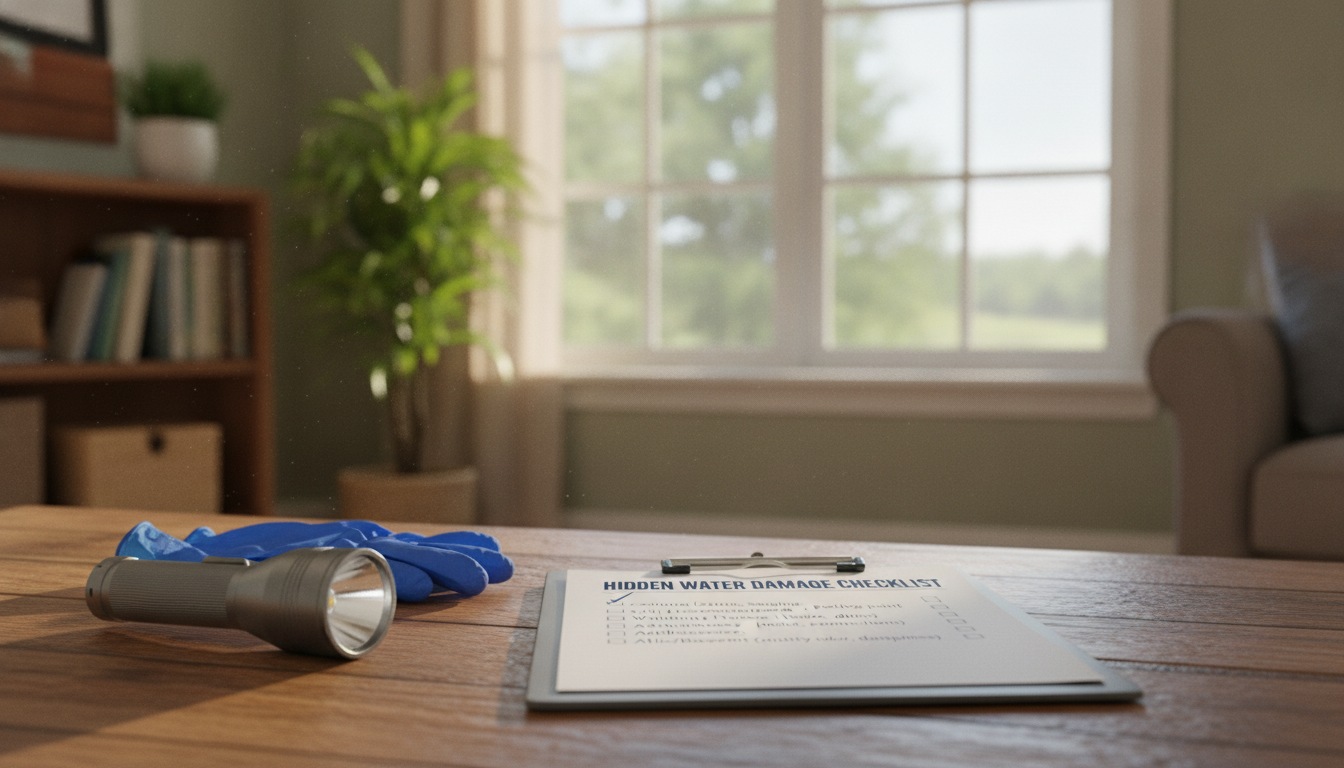
Dealing with unexpected water issues can be one of the most frustrating experiences for any homeowner. It often leads to significant financial loss and stress. In fact, the Insurance Information Institute reports that one in every 67 insured homes files a claim for water-related incidents each year.
With the average claim totaling around $15,400, it’s crucial to have a reliable plan in place. This is where a solid approach to managing water-related concerns becomes essential. This guide will help you identify, document, and mitigate any potential issues before they escalate.
You’ll learn how to effectively manage water, ensuring that your home remains a safe and dry environment for your family. By following these steps, you can protect your property investment and avoid the headaches that come with water-related problems.
Key Takeaways
- Unexpected water issues can lead to significant financial loss.
- One in every 67 insured homes files a claim for water-related incidents annually.
- The average claim for water-related issues is about $15,400.
- A reliable plan can help protect your property investment.
- Learn to identify and mitigate water-related problems early.
- Ensure your home remains a safe and dry environment for your family.
Understanding Hidden Water Damage
Finding moisture in your home can be a daunting challenge for any homeowner. It’s crucial to grasp what constitutes moisture issues and how to spot them early. These problems often accumulate in places you can’t see, making early detection vital.
Hidden moisture refers to the accumulation of water behind walls, under floors, or within insulation. This can lead to significant problems, including mold growth, if not addressed promptly. Remember, moisture trapped in walls or flooring can lead to mold growth in as little as 24 to 72 hours.
Here are some subtle signs you should be aware of:
- Musty odors that linger in your home.
- Bubbling paint or peeling wallpaper.
- Warped or buckled flooring.
These signs often indicate that moisture is present in hidden areas. Understanding these indicators helps you act quickly, preventing the spread of moisture issues throughout your living spaces.
Why a Hidden Water Damage Checklist is Essential
A proactive approach to plumbing problems can save homeowners from significant stress. Having a structured plan is vital for quick responses when leaks occur. This helps minimize potential issues and reduces the risk of extensive damage.
With a clear action plan, you can focus on what matters most—keeping your family safe. You won’t overlook critical hazards that could threaten your home. By following a systematic approach, you can protect your property and belongings from further complications.
This tool serves as a roadmap. It helps you determine when to call in professionals and when minor issues can be managed on your own. Keeping a consistent record of your actions is also essential for insurance claims and future maintenance.
Identifying Common Causes of Hidden Water Damage
Uncovering the root causes of moisture issues is crucial for maintaining a safe home. Many homeowners are unaware of the common culprits that can lead to significant problems. Understanding these factors can help you take preventive measures.
One of the main sources of moisture is burst or leaking pipes. These issues often go unnoticed until significant saturation occurs behind your walls or under your floors. Regular checks can help you catch these problems early.
Appliance malfunctions, such as a failing washing machine or dishwasher, are frequent culprits that introduce water into your home’s hidden cavities. Be vigilant about inspecting your appliances to avoid surprises.
Roof leaks during heavy rain or clogged gutters can also allow water to seep into your home. These are major contributors to structural issues. You must regularly inspect these common failure points to ensure that your home remains protected from the slow accumulation of moisture.
Identifying the source of moisture early is the most effective way to prevent the issue from happening again in the future.
Steps to Locate Hidden Water Damage
Locating moisture issues in your home can feel overwhelming. However, you can take simple steps to uncover potential problems. Regular inspections are key to preventing costly repairs and ensuring your home remains safe.
Start by checking for soft spots in your flooring or any discoloration on your walls and ceilings. These signs often indicate moisture lurking beneath the surface. Using your senses can also be beneficial; for instance, smelling for musty odors can help you identify areas where moisture might be hiding behind your drywall.
Don’t forget to inspect the areas around your appliances and plumbing fixtures. Look for any signs of dampness, as these can be early indicators of moisture issues. Additionally, if you notice a sudden increase in your water bill, it may signal a hidden leak that requires immediate attention.
By regularly checking these areas, you can catch moisture problems before they escalate into more extensive and costly repairs for your home. For more detailed guidance on repairs, visit this resource.
Initial Safety Measures to Follow
Your safety should always come first when you discover moisture in your home. Taking the right precautions can prevent serious injuries and further complications.
Before you do anything else, switch off the power to any affected areas. This step is crucial to protect yourself from potential electrical hazards. If you find water near electrical outlets, appliances, or your circuit breaker, it’s best to call a professional electrician before entering the room.
Always wear protective gear like gloves and boots. This gear will shield you from contaminants that may be present in standing water. Additionally, be extremely cautious of structural damage, such as sagging ceilings or cracking walls, which could collapse due to the weight of the water.
Your personal safety is the highest priority. Never risk entering a flooded area if you suspect that the electricity is still active.
Documenting Damage for Insurance and Repairs
Capturing the extent of any moisture-related problems can significantly impact your repair process. Before you start any cleanup, it’s essential to document everything thoroughly.
Begin by taking clear photos and videos of all the affected areas in your home. This visual evidence is vital for your insurance claim. Focus on multiple angles of each room, highlighting furniture, walls, and floors.
Next, create a detailed inventory of all your damaged items. Include their estimated value and purchase date to support your claim. If you have receipts for your belongings, keep them organized, as they are invaluable when filing a claim.
Documenting the damage accurately ensures that you have the necessary proof to streamline the repair process and receive fair compensation. Remember, “A picture is worth a thousand words,” so make sure your documentation is comprehensive.
How to Begin the Drying and Water Extraction Process
Starting the drying process promptly is essential for preventing further issues in your home. When you find standing water, you should begin the water removal process immediately. Use a wet-vac, towels, or buckets to clear any visible water.
For larger volumes of water, consider renting professional extraction equipment. This ensures that the area is dried thoroughly and effectively. Once the standing water is gone, set up fans and dehumidifiers to circulate air and reduce humidity levels.
Your goal is to speed up the structural drying process. This can take several days, depending on the severity of the moisture issue. Remember, do not rush the drying process, as moisture trapped in insulation or behind walls can lead to long-term complications.
Using Professional Equipment in Water Damage Restoration
Understanding the equipment needed for moisture restoration can make a significant difference in your recovery efforts. A professional restoration company utilizes specialized tools to tackle water issues effectively.
Commercial Water Extraction Pumps and Air Movers
High-powered extraction pumps are crucial for quickly removing water from carpets, floors, and basements. These machines work efficiently to minimize the time your home remains wet. Alongside them, air movers circulate air to speed up the drying process.
Industrial Dehumidifiers and Moisture Meters
Industrial dehumidifiers are essential tools that pull moisture from the air, ensuring structural materials like wood framing dry thoroughly. Technicians also use moisture meters to detect hidden moisture behind walls or under flooring, areas that are often hard to access.
Advantages of Thermal Imaging Cameras
Thermal imaging cameras offer a significant advantage in identifying moisture issues that are not visible to the naked eye. Using this specialized equipment ensures that your home is completely dry, which significantly reduces the risk of future mold growth.
If you cannot dry the area yourself, don’t hesitate to contact a professional restoration company. They can bring in the necessary tools to save your home.
Preventing Mold Growth After Water Damage
Mold can become a serious issue if not addressed quickly after water exposure. According to the U.S. Environmental Protection Agency, mold can start growing on damp surfaces within 24 to 48 hours after water incidents occur. Fast drying is critical to avoid these problems.
Here are some key steps to help you prevent mold growth:
- Look for visible signs of mold, such as black spots or discoloration on your walls, floors, or ceilings.
- Pay close attention to musty odors, which often indicate that mold is starting to develop in hidden areas.
- If you suspect mold or see any visible signs, it’s best to call in a professional to safely remove the contamination.
- Inspecting and cleaning your HVAC system after major water issues can prevent mold spores from circulating through your air ducts.
Taking these steps can help ensure your home remains safe and free from mold after experiencing moisture problems.
Salvaging Your Belongings After Hidden Water Damage
Assessing the condition of your belongings after moisture exposure is crucial for your home’s recovery. Once the water is gone, you must take stock of your furniture and rugs to determine if they can be salvaged or replaced.
If items have been soaked for more than a day, especially in contaminated water, it is often safer to discard them entirely. For important documents and photos, consult a professional restoration service to see if techniques like freeze-drying can save them from ruin.
Electronics that have been exposed to water should be checked by a professional or replaced to avoid dangerous electrical issues later on. Making the decision to repair or replace items is a difficult part of the process, but it is necessary for your safety.
When to Call in the Professionals
Knowing when to seek professional help is essential for addressing moisture issues effectively. You should contact a restoration company if the source of the water is unknown or if you cannot control the flow yourself. This is critical for preventing further complications.
If the water is contaminated, such as from sewage or floodwaters, evacuate immediately. Cleanup in these situations requires expert handling to ensure safety. Additionally, extensive damage to your flooring, drywall, or ceilings necessitates the expertise and equipment that only professionals can provide.
Moreover, if you suspect mold or struggle with insurance documentation, professionals can guide you through the entire restoration process. Calling for help early can save you from long-term structural issues that may go unnoticed until it’s too late.
Tips for Preventing Future Water Damage
Preventing future plumbing issues is essential for maintaining a safe and dry home. Regular maintenance and early detection tools can save you from significant stress and costly repairs.
Consider these practical tips:
- Inspect your plumbing, hoses, and connections around appliances like your washing machine and dishwasher regularly to prevent leaks.
- The U.S. Environmental Protection Agency estimates that household leaks waste nearly 1 trillion gallons of water every year in the United States.
- Install leak detectors under sinks and near your water heater to catch problems before they escalate.
- Keep your gutters clear and ensure water drains away from your foundation to protect your home’s structure.
- Since the average home loses about 10,000 gallons annually from common leaks, proactive maintenance is the best way to save money.
By following these tips, you can significantly reduce the risk of moisture-related issues in your home. For more detailed guidance on repairs, visit this resource.
| Tip | Benefit | Frequency |
|---|---|---|
| Inspect plumbing | Prevents leaks | Monthly |
| Install leak detectors | Early warning | As needed |
| Clear gutters | Protects foundation | Seasonally |
Your Hidden Water Damage Checklist for Homeowners
Having a systematic approach to handle water-related problems can make all the difference. Use this checklist to verify that you have addressed every aspect of your recovery, from safety to final repairs.
Start by ensuring your safety. Next, move to stop the water source and document the damage for your insurance company. Following the steps for water removal and drying is essential. Be sure to use fans and dehumidifiers to prevent long-term structural issues.
Keep a log of all actions taken, including the names of any professionals you contact and the dates of all repairs performed. Having this checklist handy provides peace of mind, knowing that you have taken every necessary step to restore your home properly.
Understanding Insurance Coverage for Water Damage Restoration
Navigating the complexities of insurance coverage for water-related incidents can be challenging for homeowners. It’s essential to know what your policy covers and how to document your claims effectively.
Many insurance policies cover water damage caused by sudden events like burst pipes. However, long-term leaks are often excluded from coverage. Understanding these distinctions can save you from unexpected expenses.
When filing a claim, ensure you have documented all damaged belongings. Keep receipts for any emergency cleanup or temporary repairs. This information is vital for a smooth claims process.
Additionally, understanding your policy is crucial. Flood damage typically requires a separate insurance policy to cover restoration costs. Working with a professional water damage restoration company can help streamline the claim process by providing accurate assessments and documentation.
The North Fort Myers Plumbing Inc team, holding Florida License No. CFC1432601, has served Cape Coral, Fort Myers, and North Fort Myers since 1984. Their expertise can be invaluable when dealing with the aftermath of moisture issues.
Organizing Your Water Damage Repair Timeline
Establishing a clear timeline for your restoration efforts can greatly enhance your recovery process. A well-structured plan helps you prioritize tasks and manage your time effectively. It ensures that you address urgent issues first while also planning for long-term repairs.
Creating a Step-by-Step Restoration Plan
Start by outlining a step-by-step restoration plan. This should separate emergency measures from permanent repairs and the final rebuilding of your home’s finishes. Each phase should have clear objectives to keep you on track.
Maintaining a Detailed Log of Actions Taken
Keeping a detailed log of all actions taken is crucial. As outlined by Florida Statutes § 627.70131, this helps you stay organized during the claim process. A clear timeline allows you to track the progress of your repairs and ensures that no important details are missed.
Store all your documents, photos, and invoices in one folder. This makes it easier for your insurance adjuster to review your claim. Consistent communication with your restoration team is key to keeping your project on schedule and within your expected budget.
Conclusion
Addressing moisture issues promptly is crucial for maintaining the integrity of your home. Taking fast action after discovering moisture is the most effective way to protect your property from long-term structural issues.
By following this guide, you can manage the cleanup process, prevent mold, and ensure your walls and floors are properly dried. Remember, professional restoration services are available to help you navigate the complexities of insurance claims and major repairs.
Regular maintenance of your plumbing and appliances will significantly reduce the risk of future moisture issues in your home. Stay proactive, keep your documentation organized, and don’t hesitate to call for help when the situation becomes overwhelming.