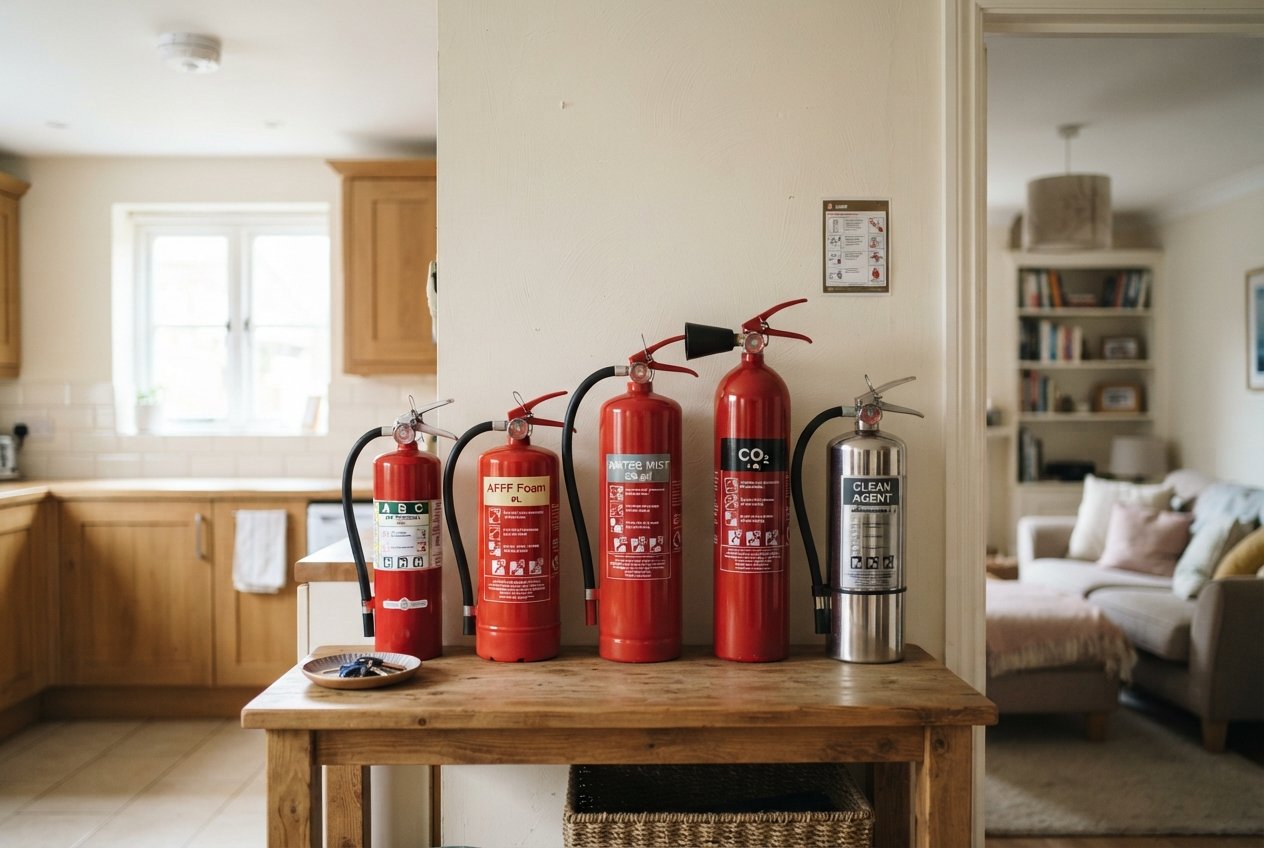
When it comes to ensuring safety in my home, understanding the right equipment is crucial. Choosing the appropriate devices can make a significant difference in emergencies. I often find myself researching how to match various agents and classes of these devices to the specific hazards present in my household.
There are five primary classes, each designed to tackle different ignition sources. For instance, many homes opt for multipurpose models, often labeled A-B-C, which provide broad coverage. However, I recognize that specialized equipment might be more effective for specific risks, such as cooking or electrical issues.
Additionally, I emphasize the importance of training. Many adults may not know when or how to operate these devices safely. Fortunately, local fire departments often offer training sessions and valuable information to help residents understand these essential tools better.
Key Takeaways
- Understanding the five primary classes helps in selecting the right device.
- Multipurpose options provide broad coverage for common household hazards.
- Specialized devices may be necessary for specific risks like cooking or electrical fires.
- Training from local fire departments is crucial for safe operation.
- Matching the right class to the hazard can enhance home safety.
Introduction: My Journey to Home Fire Safety
To ensure my home remains safe, I embarked on a journey to understand fire prevention. I realized that many local fire departments offer invaluable resources to help residents like me learn about the selection and operation of essential equipment.
During my research, I discovered that personal preparedness is key. It’s vital to alert others in case of an emergency and ensure that someone calls the fire department. This simple action can save lives.
Another important aspect I learned is that physical ability matters. Young children and older adults should not attempt to operate these devices. Instead, it’s best to leave the building and call 911 if conditions become unsafe.
This guide is centered around making informed decisions. It emphasizes prevention rather than assuming that any equipment can handle every situation. Remember, safety comes first.
Understanding the Basics of Fire Extinguishers
Understanding how different extinguishing agents function is vital for home safety. The fire triangle consists of three elements: heat, oxygen, and fuel. Each agent works to eliminate or interrupt one of these components, effectively stopping a blaze.
Class A fires involve common materials like wood, paper, and cloth. Recognizing these everyday hazards is essential for preparedness. Class B fires, on the other hand, involve flammable liquids such as gasoline and oils.
Class C fires pertain to energized electrical equipment, requiring agents that do not conduct electricity. For specialized hazards, Class D includes combustible metals, while Class K focuses on cooking oils and greases.
Different agents like water, carbon dioxide, and dry chemical solutions have unique mechanisms. Water cools burning materials, while carbon dioxide displaces oxygen. Dry chemical agents can smother flames, forming a crust that limits oxygen supply.
Comparing Fire Extinguisher Types for Home Safety
The right safety tools play a crucial role in protecting my home from hazards. When selecting equipment, I often consider multipurpose options and specialized units. Each has unique benefits that can enhance my household’s safety.
Multipurpose extinguishers are popular choices for many homes. Models labeled A-B-C can tackle common fire classes effectively. They use monoammonium phosphate, a versatile agent that can address various materials like wood, paper, and cloth.
On the other hand, specialized units offer distinct advantages. For instance, carbon dioxide extinguishers are excellent for Class B and electrical hazards. Water mist models are designed for Class A fires and can sometimes handle Class C. Additionally, wet chemical extinguishers are ideal for cooking hazards, while Halotron is perfect for sensitive electronics.
However, I must be cautious with dry powder agents. They are only suitable for Class D fires and should not be used in enclosed areas due to inhalation risks. Always check for a UL Listed or ULC Listed label to ensure safety and reliability.
Deciding on the Right Fire Extinguisher Types for Each Room
Choosing the right safety equipment for each room in my home is essential for effective fire prevention. Each area has unique risks that require specific equipment. Understanding these risks allows me to make informed decisions.
In kitchens, I focus on cooking-oil hazards. Grease and other cooking fuels necessitate a Class K approach, as they are particularly dangerous. I must ensure that I have the right tools ready to combat these risks.
Garages and workshops present another challenge. Here, gasoline, oil, paints, and other flammable liquids create Class B risks. I always keep this in mind when selecting safety equipment for these spaces.
Additionally, magnesium and other combustible metals require Class D equipment. Ordinary multipurpose units won’t suffice for these materials. I ensure I have the right type on hand for such specific needs.
Plugged-in appliances also pose risks. Class C considerations are vital since energized electrical equipment needs a nonconductive extinguishing agent. I take the time to evaluate my appliances and their potential hazards.
Before finalizing my choices, I conduct a room-by-room inventory of likely fuel sources. This proactive approach helps me decide which equipment belongs near each location.
How I Evaluate Features and Ratings
Choosing the right equipment involves careful consideration of its features and ratings. These ratings indicate the firefighting capability rather than just the size of the canister. For example, a 1A:10B:C classification means that the unit has a 1.25-gallon equivalent for Class A fires, can cover a fire up to 10 square feet for Class B, and is suitable for electrical use.
When I look at ratings, I pay attention to the numbers. A 3-A extinguisher is three times more effective against Class A fires than a 1-A model. This information helps me make informed choices about the units I purchase.
Weight is another critical factor. I compare the weights of various models, from a lightweight 1.5-pound 2 B:C unit to a heavier 20-pound 10 A:80 B:C unit. My preference is for the largest model I can safely lift, carry, aim, and operate effectively.
Lastly, I always check for UL Listed and ULC Listed labels. These certifications assure me that the equipment has been tested and meets safety standards.
| Rating | Equivalent Capability | Weight Range |
|---|---|---|
| 1A:10B:C | 1.25 gallons for Class A, 10 sq ft for Class B | 1.5 – 20 lbs |
| 3-A | Three times more powerful against Class A | Varies by model |
| 2 B:C | Lightweight, good for small hazards | 1.5 lbs |
| 10 A:80 B:C | High capacity for larger risks | 20 lbs |
Safe and Effective Usage: Mastering the PASS Technique
Mastering the proper techniques for using safety equipment can significantly impact emergency outcomes. One of the most effective methods is the PASS technique, which stands for Pull, Aim, Squeeze, and Sweep. This straightforward approach can help anyone respond effectively in a crisis.
Before using any safety device, it’s essential to alert others in the building and confirm that someone has called the fire department. The fire should be small and contained, such as one in a pan or wastebasket. Always ensure that you have a clear escape route and protection from toxic smoke before attempting to extinguish a blaze.
Here are the key steps to remember:
- Pull the pin: This action unlocks the device and prepares it for use.
- Aim low: Direct the nozzle at the base of the fire.
- Squeeze the lever: Apply pressure slowly to release the extinguishing agent.
- Sweep side-to-side: Move the nozzle back and forth to cover the area of the fire.
It’s crucial to remember that young children and older adults should not operate these devices. In uncertain situations, immediate evacuation is the safest choice. By mastering these techniques, I can help ensure my home remains safe during emergencies.
Maintenance and Inspections: Keeping Equipment Ready
Regular maintenance of safety equipment is essential for ensuring readiness during emergencies. This involves routine checks to confirm that each unit is in optimal condition. I prioritize inspecting the gauge, as many models indicate when internal pressure is too high or too low.
Additionally, I examine the canister, hose, and nozzle for any damage, dents, or rust that could hinder performance. Accessibility is also critical; I make sure that furniture and storage boxes do not block the units. Keeping these areas clear ensures I can reach them quickly if needed.
It’s important to remove dust, oil, and grease from the exterior. This keeps visible damage and instructions easy to identify. I follow the manufacturer’s schedule, as some units require monthly shaking, while others need pressure testing every few years.
Lastly, I understand that low-pressure equipment may need recharging or replacement, depending on the design. Regular checks help me maintain a safe environment.
- I recommend checking each unit’s gauge regularly.
- Inspect the canister, hose, and nozzle for any damage.
- Keep access clear by ensuring nothing blocks the unit.
- Remove dust, oil, and grease from the exterior.
- Follow the manufacturer’s maintenance schedule.
- Be aware that low-pressure units may need recharging or replacement.
Training and Certification: Learning from the Experts
Gaining insights into proper usage and training is vital for household safety. Many adults may not know how or when to operate safety equipment effectively. This lack of knowledge can lead to dangerous situations during emergencies.
Local fire departments are a fantastic resource for practical training. I encourage everyone to reach out to them for hands-on sessions. They can answer questions about equipment and provide valuable guidance.
Learning the PASS technique under professional supervision is crucial. It’s better to be prepared than to wait until smoke and flames create panic. Additionally, understanding UL and NFPA class markings can help me choose equipment that has been tested for specific fire classes.
Certification labels and local instruction serve as complementary safeguards. They should not replace the need for an evacuation plan. By combining training with a solid emergency strategy, I can enhance my safety preparedness.
Integrating Extinguishers According to Room Type
Integrating the right safety tools into my home setup is essential for optimal protection. Each room has unique hazards that require specific equipment to manage risks effectively.
Optimal Choices for Kitchens and Cooking Areas
In kitchens, I place Class K equipment near cooking areas, especially when deep-frying or using substantial oils. This specialized equipment is designed to handle fires caused by vegetable oils and fats. The wet chemical spray effectively controls cooking fires without splashing grease across the surrounding area.
Best Options for Electrical and Living Spaces
For living spaces, I recommend Class C or multipurpose A-B-C equipment. These options are ideal for areas with plugged-in appliances, tools, and electronics. Additionally, I consider Halotron clean-agent extinguishers near computers and electronic equipment, as they leave no residue, protecting sensitive devices.
Ultimately, I adapt placement to each room’s fuel sources. This approach ensures that I have the right equipment available where it’s needed most. For more information on dealing with smoke damage, check out how to deal with property smoke damage in.
Conclusion
Safe choices start with the fuel I expect to find. I match it to a class, then check the UL or ULC label. An A-B-C extinguisher suits many homes. Cooking oil, live electrical gear, and metal hazards may need Class K, C, or D protection.
Ratings show ability, not canister size. For example, 1A:10B:C signals tested performance across listed hazards. I use PASS only for a small, contained blaze, after others are alerted, someone has called 911, and I have a clear exit.
I keep each unit easy to reach. I check pressure and condition, clean off dust and grease, and follow the maker’s service schedule. I also seek hands-on training from my local fire department. Practice can sharpen my choices under stress, but I leave at once if danger grows.