Understanding the cost of safety products is crucial for any homeowner. In this guide, I will share what you can expect when considering the price of various safety devices. First Alert offers a wide range of options for residential needs, including products for kitchens, garages, and even marine applications.
Prices for these essential items can vary significantly. For instance, listings from Fire Supply Depot show prices ranging from $29.95 to $725.00. This variation can be influenced by factors such as the product category, UL rating, and intended application.
Additionally, I will explain how features like rechargeability and capacity impact the overall value. It’s important to remember that a lower purchase price does not always equate to better value. I will help you navigate the choices available for your home and other settings.
Key Takeaways
- Expect a wide range of prices for safety products.
- Features like UL rating and rechargeability affect costs.
- First Alert provides options for various settings.
- Lower prices may not offer the best value long-term.
- Consider placement and maintenance when making a decision.
Understanding Fire Extinguisher Costs
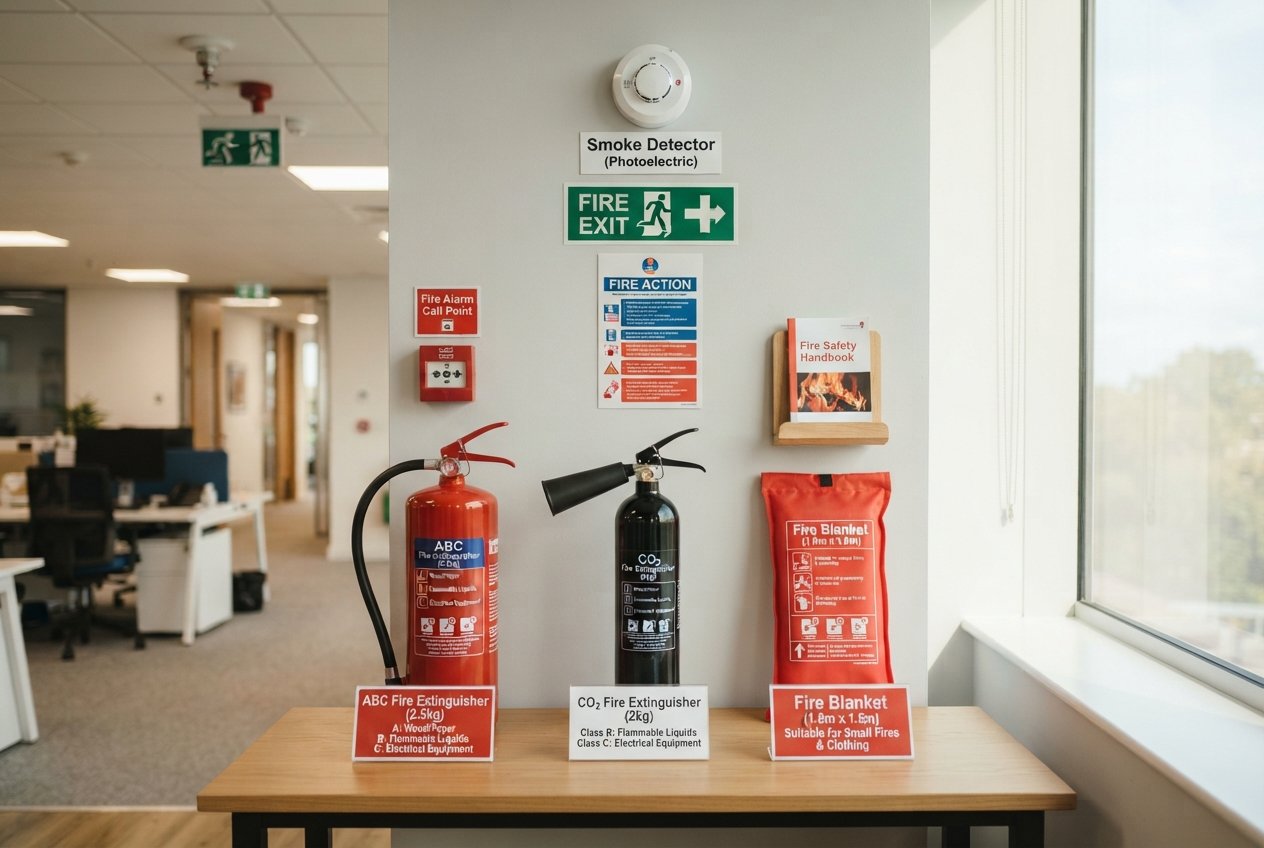
Delving into the specifics of fire extinguisher pricing reveals essential insights. Different types of extinguishers are designed to combat various classes of fires, which significantly influences their prices. For example, ABC extinguishers can handle Class A materials like wood and paper, Class B flammable liquids, and Class C electrical equipment. This versatility often comes at a higher price.
First Alert offers several rechargeable models, such as the FE1A10GR, FE2A10GR, and FE5GR. These models are tailored for residential use and include features like color-coded instructions and corrosion-resistant gauges. The intended location of each model can also affect the overall investment.
When considering your options, it’s important to evaluate factors like size, metal construction, and rechargeability. A disposable unit may seem inexpensive, but a rechargeable model often provides longer-term value. Ultimately, understanding these elements will help you choose the right extinguisher for your home, whether it’s for kitchens, garages, or other critical areas.
Overview of Fire Extinguisher Types
Understanding the range of available fire safety tools is crucial for effective home protection. There are various types of fire extinguishers designed for specific situations. These include residential and commercial models, each serving distinct purposes.
Residential vs. Commercial Models
Residential extinguishers, like the FE1A10GR and FE2A10GR, are tailored for home use. The FE1A10GR is rated UL 1-A:10-B:C, making it suitable for ordinary combustibles, while the FE2A10GR offers a higher rating of UL 2-A:10-B:C for enhanced safety. In contrast, commercial models are built for larger spaces and varied environments, often featuring higher capacities and robust construction.
Rechargeable vs. Disposable Options
Rechargeable units, such as the FE5GR, can be refilled by certified technicians, providing long-term value. Disposable extinguishers, however, must be replaced once they reach the end of their lifespan. First Alert recommends having extinguishers on every level of your home, including kitchens, laundry rooms, and garages.
| Model | Type | Rating | Use Case |
|---|---|---|---|
| FE1A10GR | Rechargeable | UL 1-A:10-B:C | Home use |
| FE2A10GR | Rechargeable | UL 2-A:10-B:C | Home use |
| KFE2S5 | Kitchen | UL 5-B:C | Kitchen use |
| FE5GR | Rechargeable | UL 5-B:C | Recreation |
Why Fire Safety is Essential
The importance of fire safety cannot be overstated, especially in residential areas. The National Fire Protection Association (NFPA) recommends having at least one fire extinguisher on every level of your home. This includes critical spaces like the kitchen and garage.
To enhance accessibility during emergencies, consider placing extinguishers in the following locations:
- Under the kitchen sink
- Near exits
- Along escape routes
These strategic placements ensure that safety equipment is readily available when needed. It’s crucial to connect fire safety planning with common areas such as kitchens, laundry rooms, and workshops.
While having a fire extinguisher supports an escape plan, it should never replace the need for evacuation when conditions become unsafe. Assess your home’s current locations to ensure quick access without putting anyone too close to danger.
Key Features of Reliable Fire Extinguishers
The right design elements in safety equipment can make all the difference. First Alert offers features that enhance usability and reliability, ensuring that you can act quickly in emergencies.
One standout feature is the easy-to-read color-coded guide. This design element supports fast identification during stressful situations. Additionally, a safety pull pin, mounting bracket, and corrosion-resistant metal gauge contribute to effective handling and storage of the equipment.
First Alert’s heavy-duty brackets, like BRACKET2, BRACKET5, and BRACKET10, are designed for different capacities. They cater to 2.5-pound, 5-pound, and 10-pound extinguishers, respectively. This variety ensures that you can choose the right size for your needs.
Moreover, rechargeable designs and warranty options enhance the value of ownership beyond the initial purchase. Clear instructions and secure mounting make these devices safer to use in kitchens, garages, and other essential areas of your home.
Proper Inspection and Maintenance Practices
Regular checks on safety devices are essential for every homeowner. It ensures that your equipment is ready when you need it most. Monthly inspections can help identify issues before they become serious problems.
Here are the steps I recommend for monthly inspections:
- Check the pressure gauge to ensure it’s in the green zone.
- Confirm that the pin and tamper seal are intact.
- Look for any visible damage or obstructions that could hinder access.
If the gauge is in the red zone or if there is damage, immediate replacement or servicing by a certified technician is necessary. In addition to these routine checks, a professional maintenance inspection should be conducted annually.
First Alert rechargeable models typically last 10 to 12 years, depending on proper storage and maintenance. Regular upkeep directly affects whether an extinguisher is ready for use during a small household fire. Remember, safety starts with diligence!
fire extinguisher cost Breakdown
When considering the pricing of safety devices, it’s essential to look beyond just the numbers. The market for these tools offers a wide range, with prices varying from $29.95 to $725.00. This variation reflects differences in capacity, features, and fire-class ratings.
For instance, the Amerex B441 is a robust 10-pound ABC model rated at 4A:80B:C. In contrast, the FE1A10GR and FE2A10GR models are rated UL 1-A:10-B:C and UL 2-A:10-B:C, respectively. These ratings help justify their price differences.
Here’s a quick comparison of some notable models:
| Model | Type | Price | Rating |
|---|---|---|---|
| FE1A10GR | Rechargeable | $82.95 | UL 1-A:10-B:C |
| FE2A10GR | Rechargeable | $149.95 | UL 2-A:10-B:C |
| Amerex B441 | 10-pound ABC | $459.00 | 4A:80B:C |
| Basic Model | Disposable | $29.95 | UL 5-B:C |
While lower-priced options may seem appealing, it’s crucial to consider features like rechargeability, mounting options, and service requirements. These factors can significantly impact the long-term value of your investment.
Home and Kitchen Fire Protection Solutions
Ensuring safety in the kitchen is a top priority for every homeowner. Having the right fire safety measures can make a significant difference. First Alert recommends placing at least one extinguisher on every level of your home, including the kitchen and garage.
The KFE2S5 is a specialized kitchen extinguisher rated UL 5-B:C. This rating is ideal for handling hazards involving grease, oil, and electrical equipment. It’s crucial to have the right type of extinguisher for kitchen-related incidents.
Here are some essential tips for effective kitchen safety:
- Choose a multi-purpose ABC extinguisher for most homes, as it covers ordinary combustibles, flammable liquids, and electrical equipment.
- Ensure that the KFE2S5 is easily accessible, especially in case of a small fire.
- Follow First Alert’s guidance for placement, keeping extinguishers under the kitchen sink, near exits, and along escape routes.
- Make sure the extinguisher is reachable without having to move toward a growing fire.
- Use an extinguisher only when the fire is contained, the exit is clear, and the right rating is available.
Auto, Marine, and Garage Fire Safety Options
Exploring the safety options available for vehicles and boats is essential for comprehensive protection. Different environments pose unique risks, making it vital to choose the right equipment.
For vehicles, the FESA5 is a compact auto extinguisher rated UL 5-B:C. This model is designed to tackle flammable liquids and electrical hazards common in cars.
In marine settings, the FE1A10GR serves as a rechargeable option, rated UL 1-A:10-B:C. It provides robust protection against various fire risks on boats. Similarly, the FE10GR is suitable for both marine and garage use, rated UL 10-B:C.
Additionally, the FE5GR is a rechargeable recreational extinguisher, ideal for protecting RVs and other outdoor equipment. Proper placement in garages and workshops is crucial, as these areas often contain flammable liquids and electrical equipment.
To ensure accessibility, consider using secure brackets that keep the equipment within reach without becoming a hazard. This way, you can maintain safety while ensuring that your fire safety tools are always ready when needed.
Understanding Product Specifications and Model Options
Familiarizing yourself with the various models and their ratings is essential for effective fire safety. Different products serve unique purposes, making it crucial to decode their specifications. This knowledge empowers you to compare capacity, fire class, and intended application confidently.
For instance, the Amerex B441 is a robust 10-pound ABC extinguisher rated 4A:80B:C. In contrast, First Alert models like the FE1A10GR and FE2A10GR are rated UL 1-A:10-B:C and UL 2-A:10-B:C, respectively. The KFE2S5 is rated UL 5-B:C, specifically designed for kitchen use.
The A, B, and C designations indicate the types of materials each model can handle: ordinary combustibles, flammable liquids, and electrical equipment. Understanding these classifications helps in selecting the right product for your needs.
| Model | Type | Rating | Use Case |
|---|---|---|---|
| Amerex B441 | 10-pound ABC | 4A:80B:C | General use |
| FE1A10GR | Rechargeable | UL 1-A:10-B:C | Home use |
| FE2A10GR | Rechargeable | UL 2-A:10-B:C | Home use |
| KFE2S5 | Kitchen | UL 5-B:C | Kitchen use |
| FE10GR | Rechargeable | UL 10-B:C | Marine/Garage |
Exploring Rechargeable Versus Disposable Extinguishers
When choosing between different fire safety options, understanding the differences between rechargeable and disposable models is key. First Alert rechargeable options typically last 10 to 12 years when properly stored and maintained. This longevity makes them a smart investment for homeowners.
Rechargeable models can be refilled by a certified technician after discharge or when servicing is required. This feature allows for continued use without the need for replacement, offering greater value over time.
In contrast, disposable extinguishers should be replaced at the end of their lifespan. They are not designed for refilling, which means that once they are used, they need to be discarded.
Here are some considerations to weigh when deciding between these options:
- Evaluate the purchase price and compare it to the potential long-term savings of a rechargeable model.
- Consider the technician servicing requirements for rechargeable units.
- Think about the storage conditions and warranty coverage.
- Assess your intended use to determine which model best suits your needs.
Navigating Purchase Options and Retailer Insights
Navigating the world of purchasing safety products can be overwhelming. It’s essential to understand the options available to you. I will compare buying online versus purchasing from a retailer to help you make an informed decision.
First Alert offers three products for online purchase and twelve products available through retailers. This variety allows you to choose based on your preferences. Retailers may provide expert assistance, while online options often come with convenience.
Consider the benefits of shopping at Fire Supply Depot, which offers free shipping and quantity discounts. These factors can influence the total price you pay for your safety products.
Before making a purchase, verify the rating, size, model number, warranty, and service availability of the extinguisher. Additionally, if you need mounting hardware, consider options like BRACKET2, BRACKET5, and BRACKET10 for secure installation.
Tips for Effective Fire Extinguisher Use in Emergencies
In an emergency, knowing how to use your safety equipment can save lives. It’s essential to understand the P.A.S.S. technique for effective operation of your fire extinguishers. This acronym stands for:
- Pull the pin.
- Aim at the base of the fire.
- Squeeze the handle.
- Sweep from side to side.
Remember, an extinguisher is appropriate only for a small, contained fire when the correct rating and a clear escape path exist. If the fire grows or produces dangerous smoke, evacuate immediately and call 911.
Extinguishers should be placed near exits or along escape routes for easy access. This strategic placement ensures that you can reach your safety equipment quickly when every second counts.
Ensuring Compliance with Fire Safety Standards
Compliance with safety standards is a fundamental aspect of fire prevention in any home. The National Fire Protection Association (NFPA) recommends having at least one fire extinguisher on every level of your home, including critical areas like the kitchen and garage.
It’s essential to connect compliance planning with the correct coverage for Class A, B, and C fires. These classes address ordinary combustibles, flammable liquids, and electrical equipment, respectively.
To maintain readiness, monthly visual inspections should be conducted. During these checks, ensure that the gauge is in the green zone, the pin and tamper seal are intact, and that there are no visible damages or obstructions. Additionally, professional maintenance inspections should occur annually to ensure your equipment is in optimal condition.
Emergency equipment must remain accessible, correctly rated, and undamaged. This ensures that it is ready for immediate use when needed. While following these standards can reduce preventable readiness problems, they cannot eliminate every fire risk.
Conclusion
My final recommendation is to choose each fire extinguisher by its rating, capacity, setting, rechargeability, mounting needs, and upkeep—not by price alone. A suitable model offers better value when it matches the hazard and stays ready.
First Alert advises placing units on every level of your home, including the kitchen, laundry room, and garage. Rechargeable designs may last 10 to 12 years with proper care; disposable units need replacement.
Check the gauge and access each month, and arrange professional service yearly. Confirm the rating suits the likely hazard. Compare each fire extinguisher model’s details before you buy. Use P.A.S.S. only for a small, contained blaze when you have a clear exit. Otherwise, leave and call 911.