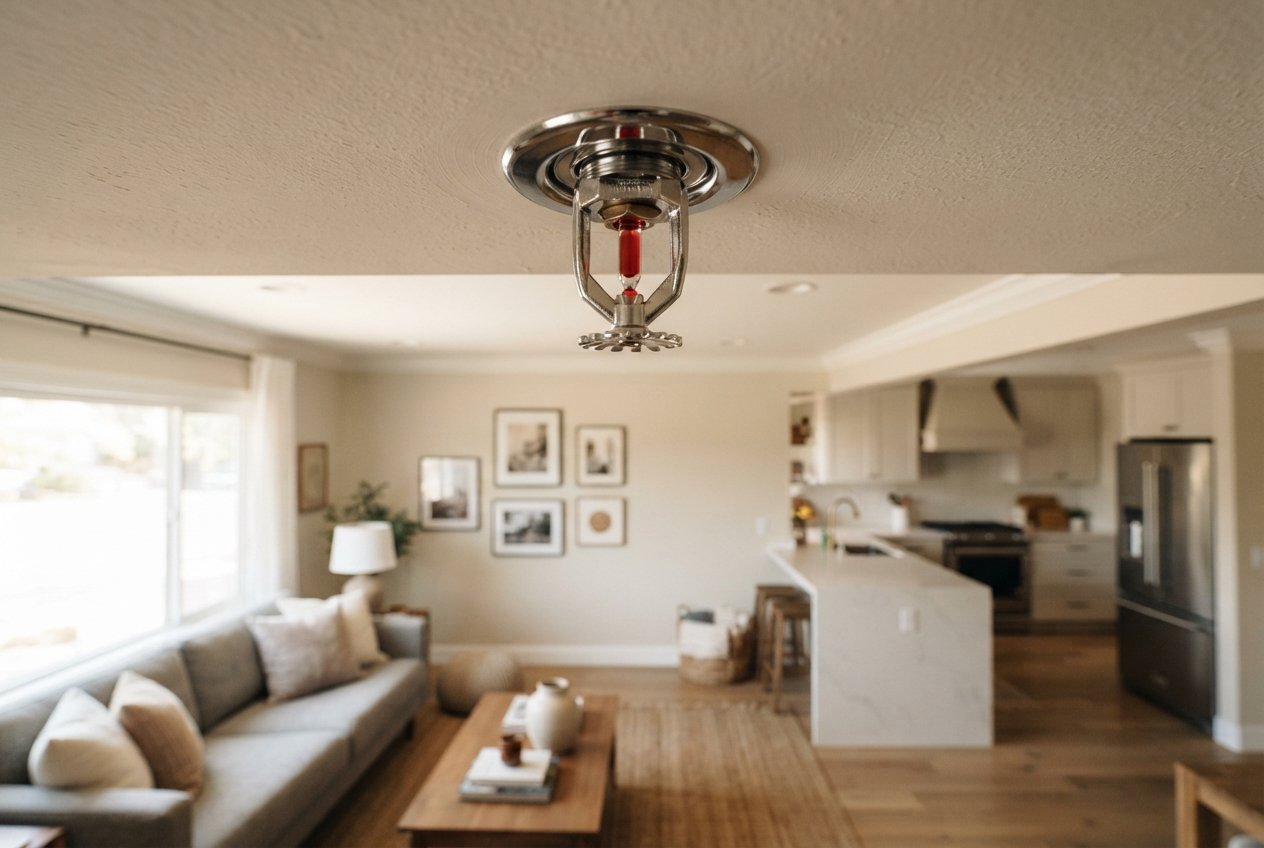
In today’s world, ensuring safety in our homes is more important than ever. One of the most effective tools for protecting lives and property is an active fire protection system. These systems are designed to activate when a fire is detected, delivering water to heat-activated devices. With over 40 million sprinkler heads installed globally each year, it’s clear that many people recognize their value.
I view these systems as a life safety priority. Evidence shows that in 96% of fully protected buildings where a fire occurred, these devices successfully controlled the situation without the need for additional measures. While they don’t guarantee complete protection, their primary purpose is to save lives and manage fire growth effectively.
This guide will focus on practical decisions for American homes, covering installation coordination and current principles of fire protection. Understanding how these systems work can empower you to make informed choices about safety in your living space.
Overview and My Personal Perspective on Fire Sprinkler Systems
Home safety is a crucial concern that should never be overlooked. I believe that understanding the history of fire protection can enhance our approach to safety. For instance, the concept of an early sprinkler can be traced back to Leonardo da Vinci, who designed a system for kitchens in the 15th century.
Moreover, Ambrose Godfrey’s successful automated system from 1723 highlights the long-standing commitment to automatic protection. These innovations paved the way for modern devices. Frederick Grinnell’s 1881 patent and his glass disc invention in 1890 connect the past with today’s advanced sprinkler heads.
When considering a protection system, I evaluate potential water damage alongside fire risk. A controlled discharge can be less destructive than unchecked flames. Additionally, I take into account the unique characteristics of household spaces, including occupants, construction, and maintenance needs.
| Historical Figure | Contribution | Year |
|---|---|---|
| Leonardo da Vinci | Designed an early sprinkler concept | 15th Century |
| Ambrose Godfrey | Created the first automated sprinkler system | 1723 |
| Frederick Grinnell | Patented an automatic sprinkler | 1881 |
| Frederick Grinnell | Invented the glass disc sprinkler | 1890 |
How Fire Sprinkler Systems Work
A clear understanding of the operational principles of these systems is crucial for effective fire protection. The main components include the water supply, riser, branch lines, and sprinkler heads. Each part plays a vital role in ensuring that water reaches the affected areas promptly.
Closed-head sprinklers are designed to activate when heat reaches a specific temperature. This is achieved through a glass bulb or a fusible link. When this temperature is reached, the system responds quickly, delivering water immediately to the source of the heat.
It’s important to note that individual sprinkler heads operate independently. This means that only the heads in the heated areas will discharge water, minimizing unnecessary water damage in other spaces. In contrast, a wet system can release water almost instantly, while a dry system may take up to 60 seconds after activation.
Exploring the Different Types of Fire Sprinkler Systems
Understanding the various types of active protection methods is essential for effective home safety. Each type of system has unique features that cater to specific environments and risks. Below, I will outline the two primary categories of systems and their applications.
Wet Pipe and Dry Pipe Systems
Wet pipe systems are the most common choice for homes. They keep water under pressure in the piping, allowing for immediate activation. This makes them ideal for climate-controlled spaces where freezing is not a concern.
On the other hand, dry pipe systems use pressurized air or nitrogen. These are suited for unheated areas, such as parking garages and loading docks, where water-filled pipes might freeze. However, they can take up to 60 seconds for water to reach the activated sprinkler.
Pre-Action and Deluge Systems
Pre-action systems are particularly beneficial for sensitive environments like museums and data centers. They prevent accidental water discharge, protecting valuable collections and equipment from potential damage.
Deluge systems utilize open sprinkler heads and a deluge valve. They release water simultaneously throughout high-hazard areas, such as aircraft hangars and chemical storage facilities, ensuring comprehensive coverage.
| Type | Activation Method | Response Time | Ideal Environment |
|---|---|---|---|
| Wet Pipe | Immediate | Instant | Climate-Controlled Spaces |
| Dry Pipe | Delayed | Up to 60 seconds | Unheated Areas |
| Pre-Action | Controlled | Variable | Museums, Data Centers |
| Deluge | Simultaneous | Instant | High-Hazard Areas |
Choosing the Right Sprinkler System for Home Safety
Selecting the appropriate protection method for your home is essential for safeguarding your loved ones. Each type of system has its advantages and limitations, making it vital to assess your specific needs.
Wet-pipe systems are often the most cost-effective option, with installation costs ranging from $1 to $2 per square foot. These systems are ideal for climate-controlled areas where temperatures remain above 40°F (4°C), as required by NFPA rules.
However, if your home is in an environment prone to freezing, a dry-pipe system may be necessary. This system uses pressurized air to prevent water from entering the pipes until activation occurs.
For spaces housing valuable items, such as museums or data centers, pre-action systems are recommended. They minimize the risk of accidental discharge, protecting sensitive materials from potential damage.
In high-hazard areas like aircraft hangars or chemical storage facilities, deluge systems are essential. They release water simultaneously, ensuring comprehensive coverage during emergencies.
Integrating fire sprinkler systems into Home Safety Design
Effective home safety requires thoughtful integration of protective systems. It’s essential to consider how these systems work within the overall design of your home. Coordination with building codes is crucial for ensuring compliance and safety.
Architects play a vital role in this process. They coordinate various elements, including riser rooms, mechanical closets, and fire department connections. This careful planning ensures that sprinkler heads, whether pendant, upright, or concealed, are effectively placed to meet architectural conditions.
For instance, I focus on how to align sprinkler heads with lighting, HVAC diffusers, and ceiling grids. This approach minimizes the risk of accidental water damage while ensuring that the system functions efficiently.
Moreover, early collaboration among architects, fire protection engineers, and contractors can prevent costly redesigns. By considering detection systems and deluge valves from the outset, we can enhance protection for specialized areas.
Design Considerations and Regulatory Insights
Regulatory standards play a crucial role in enhancing safety in residential spaces. One of the key standards is NFPA 13, which governs the design and installation of active protection systems in the United States. This standard helps ensure that systems are effective and compliant with safety regulations.
Understanding NFPA 13 is essential as it influences building codes, construction choices, and fire-rated assembly requirements. It ensures that systems are designed to operate effectively in various conditions, which is critical for life safety.
Understanding NFPA 13 Standards
This standard outlines technical requirements for installation and maintenance, ensuring that systems function correctly when needed. It is vital for homeowners and builders to be aware of these guidelines to enhance overall safety.
Key Points on Fire Department Connections
Another important aspect is the accessibility of fire department connections. These connections must be visible, properly labeled, and easily reachable by responding fire trucks. This ensures that firefighters can quickly access water supplies during emergencies.
It’s also important to note that fire departments may take at least five minutes to register and reach an alarm. Following this, they typically need about ten additional minutes to establish hose streams. Proper planning can significantly impact response times and overall safety.
Conclusion
For many U.S. homes, a wet-pipe sprinkler system is a practical starting point. Freezing conditions, sensitive contents, or severe hazards may call for dry-pipe, pre-action, or deluge options. Each sprinkler head responds to nearby heat, so water flows only where needed, not throughout the home. This local response can limit avoidable damage.
I recommend reviewing plans with a qualified protection professional. NFPA 13 and local building codes guide project-specific choices. Safe integration also depends on household conditions, risers, valves, ceiling layouts, and clear fire department connections. Detection and water supply need careful coordination.
That planning supports life safety. Reported data show these devices controlled 96% of incidents in fully protected buildings where a fire occurred. For me, that record makes thoughtful design and upkeep a valuable part of a safer home.