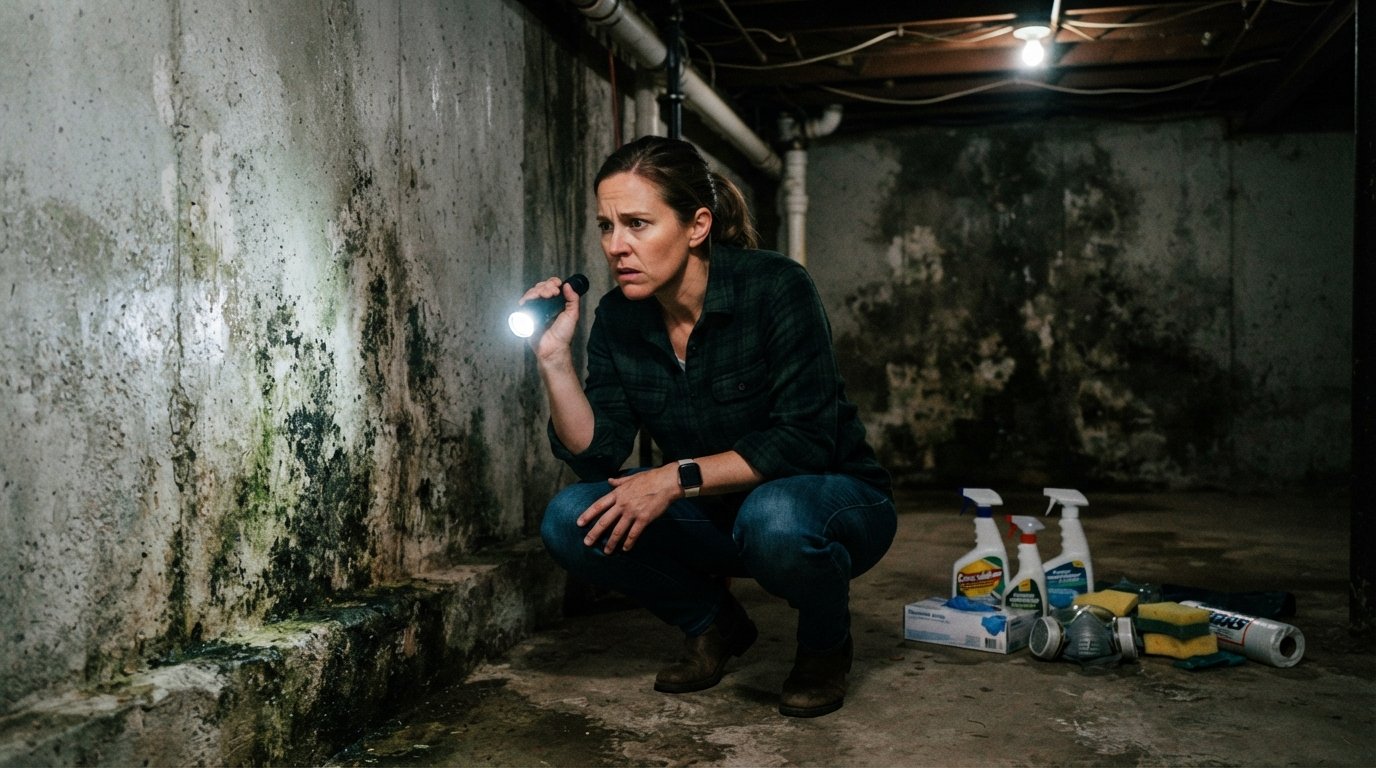
Have you ever wondered why certain areas of your home seem to attract unwanted issues? One such area is often the lower levels, where moisture and limited airflow can create a perfect storm for problems. When water damage occurs, it can take as little as 24 to 48 hours for issues to arise. This makes it crucial to understand how these conditions develop and what you can do to prevent them.
A freshly poured foundation can take up to five years to fully dry. This prolonged drying time emphasizes the importance of regular inspections. Without proper attention, you might face unpleasant odors and potential damage to your property. The health of those living in your home could also be at risk.
In this guide, you’ll discover how to identify signs of contamination and effectively address moisture sources. Additionally, we will explore safe removal methods. Remember, if the situation is widespread or hidden, seeking professional help may be necessary to protect your family.
Key Takeaways
- Moisture, organic materials, and limited airflow can lead to quick development of issues.
- A freshly poured foundation may take five years to dry completely.
- Regular inspections are vital to prevent recurring problems.
- High humidity and leaks can exacerbate issues.
- Identifying contamination early is key to effective resolution.
- Professional help may be necessary for widespread issues.
How to Spot Mold in Basement Spaces
Can you recognize the warning signs that point to potential trouble in your home? Spotting issues early can save you time and money. Here are some common indicators to look for.
Look for visible mold, stains, and damage
Mold can appear as black, green, white, or gray patches. Inspect corners, foundation walls, ceilings, and floor edges for these signs. You might notice:
- Dark staining or bubbling paint.
- Peeling paint and fuzzy textures.
- Visible patches on cool surfaces.
Notice musty odors and changes in air quality
A persistent musty odor that intensifies when the HVAC system is on may signal hidden contamination. Stale air and damp smells can help you locate problem areas, especially near laundry spaces.
Watch for symptoms that may be linked to mold exposure
Be alert for symptoms like sneezing, coughing, or headaches that improve when you leave the area. These could indicate exposure to airborne spores. Remember, mold can start growing within 24 hours after water intrusion, so early inspection is vital.
Find the Moisture Source Behind Basement Mold
Could there be unseen moisture sources causing issues in your living areas? Identifying these sources is crucial to preventing future problems. Start by examining your plumbing systems, as leaks can lead to significant water intrusion. Check for cracks in your foundation and around windows. These can allow water to seep into your home, especially during heavy rains.
Next, consider the role of humidity. The EPA suggests maintaining indoor humidity between 30% and 50%. If your readings exceed this range, it’s time to take action. High humidity can create a perfect environment for unwanted growth.
Finally, inspect your walls and insulation. Hidden growth can develop behind drywall or beneath stored items. Use moisture meters to detect dampness in areas that are not easily visible. This proactive approach will help you tackle issues before they escalate.
| Moisture Source | Signs to Look For | Potential Solutions |
|---|---|---|
| Plumbing Leaks | Wet spots, water stains | Repair leaks immediately |
| Foundation Cracks | Cracks in walls, damp floors | Seal cracks, improve drainage |
| High Humidity | Condensation on surfaces | Use dehumidifiers |
| Condensation | Damp pipes, musty odors | Insulate pipes, improve ventilation |
Understand the Health Risks of Mold Exposure
Are you aware of the potential health impacts that can arise from exposure to certain spores? Recognizing the symptoms is crucial for maintaining a healthy living environment.
Common symptoms of exposure include:
- Runny nose and congestion
- Sneezing and sore throat
- Persistent cough and itchy or watery eyes
- Skin irritation and headaches
- Fatigue
It’s important to note that mold exposure can worsen asthma and trigger respiratory problems. This is especially true for vulnerable groups, such as:
- Infants and young children
- Older adults
- Individuals with asthma or allergies
- People with compromised immune systems
Those receiving chemotherapy or other immunosuppressive treatments should take extra precautions. Disturbing mold can release spores into the air, increasing exposure throughout your home. In such cases, professional mold removal is often the safest option, especially when health risks or hidden growth are present.
How to Remove Small Areas of Basement Mold Safely
Are you prepared to tackle small areas of visible contamination in your home? It’s essential to protect yourself and limit the spread of mold spores during this process.
Start by wearing protective gear. This includes gloves, a mask, and goggles to shield your skin, lungs, and clothing. Once you’re equipped, you can begin cleaning.
Protect yourself and limit the spread of mold spores
Use a solution of 3% hydrogen peroxide on suitable nonporous surfaces like concrete. This antimicrobial option can effectively rid mold without mixing cleaning products. Remember, never mix bleach with ammonia, as this creates toxic chlorine gas.
Clean suitable nonporous surfaces without mixing cleaning products
For porous materials like drywall or insulation, if they are heavily damaged, it’s best to bag and discard them. Drying the cleaned area completely is crucial, as remaining moisture can restart growth within 24 to 48 hours.
Discard porous materials that are heavily damaged by mold
Be cautious with DIY removal. If contamination is extensive or hidden behind walls, professional help is often the safest route. Your health and safety should always come first.
Know When to Call a Professional for Mold Removal
Knowing when to seek expert assistance can make a significant difference in managing contamination. Certain situations warrant immediate professional help to ensure safety and effectiveness.
Get help for widespread growth, recurring odors, or hidden moisture
If you notice visible contamination covering more than 10 square feet, it’s time to call in the experts. Larger areas require controlled containment and specialized removal techniques.
- Recurring musty odors after cleaning may indicate hidden moisture behind walls or under flooring.
- Recent flooding or standing water necessitates quick drying, as mold can start growing within 24 to 48 hours.
- Households with asthma, allergies, or compromised immunity should avoid unnecessary exposure during remediation.
Consider professional remediation after flooding or when household members are at higher risk
Professional teams utilize advanced equipment like negative-air machines and HEPA filters to limit airborne spores. This ensures a safer environment for everyone.
For comprehensive assistance, RestoPros offers 24/7 mold remediation and water-damage response, while JM Environmental provides specialized services in Sacramento.
Prevent Mold Growth from Returning to Your Basement
Taking steps to prevent issues in your home can save you from future headaches. By addressing moisture sources and improving your home’s environment, you can significantly reduce the chances of unwanted growth.
Repair leaks and improve drainage around your foundation
Start by checking for plumbing leaks and sealing any cracks in your foundation. This will help keep water from seeping into your living spaces. Ensure that the soil around your home slopes away from the foundation to direct water away.
Control humidity with a dehumidifier and aim for 30 to 50 percent indoors
The EPA recommends maintaining indoor humidity between 30% and 50%. A properly sized dehumidifier can help you manage moisture levels effectively. Regularly check humidity levels with a hygrometer to stay on top of it.
Improve airflow and reduce condensation on cold pipes
Enhancing airflow is crucial. Use fans and open windows when conditions allow. Insulating cold water pipes can also help minimize condensation, reducing moisture in the air.
Store belongings off the floor in sealed plastic bins
Keep your belongings safe by storing them in sealed plastic bins, off the concrete floor. This prevents moisture from contacting your items and reduces the risk of contamination.
For more detailed steps on tackling moisture and preventing unwanted growth, check out this step-by-step guide.
Conclusion
A dry basement starts with lasting moisture control. Repair leaks, direct rainwater away from foundation walls, and limit condensation. Act fast: IICRC guidance says mold may begin growing within 24 to 48 hours after water damage. Keep indoor humidity between 30% and 50% with good airflow and dehumidification.
Check for visible patches, musty odors, poor air quality, or coughing and watery eyes. Small areas on hard, nonporous surfaces may suit careful DIY cleaning; damaged drywall, wood, or insulation often needs removal. For basement flooding, hidden moisture, areas larger than 10 square feet, or higher-risk family members, call a qualified remediation team.
Store materials off the floor to help prevent mold growth and protect your house. Quick action can limit damage, guard your health, and keep moisture problems from returning.