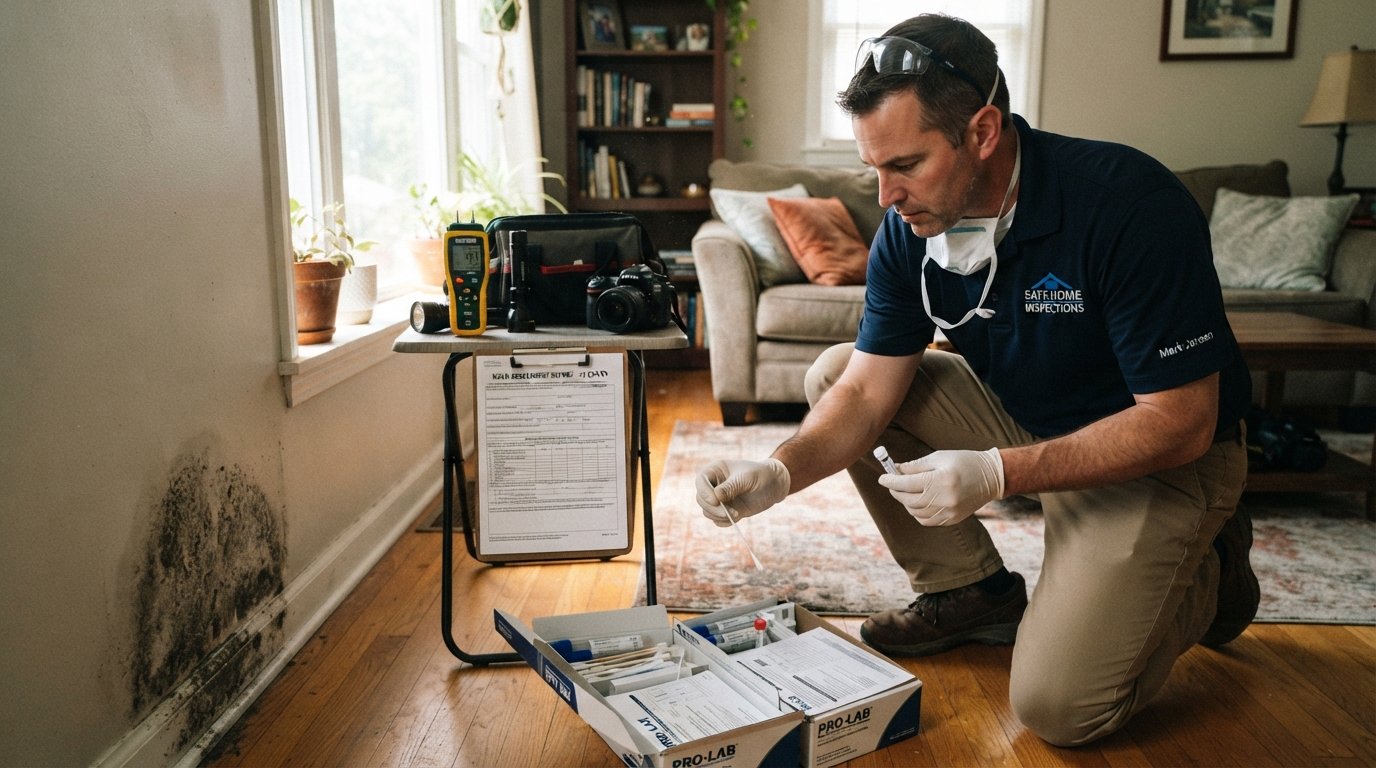
When considering a home inspection, understanding the potential costs is crucial. Nationally, prices range from $303 to $1,045, with an average cost of around $671 according to HomeAdvisor. However, this average is just a guideline and may not reflect local rates.
For instance, in Atlanta, an assessor charges a $270 visit fee, plus $90 for each air sample. If you opt for two indoor samples and one outdoor control, your total could reach $540. Factors such as home size, moisture issues, and the inspector’s experience can all affect your final bill.
A basic inspection typically checks for visible signs of issues, while testing involves lab analysis of air or surface samples. Having professional documentation can be beneficial for insurance claims, home purchases, and planning remediation.
Key Takeaways
- National inspection costs range from $303 to $1,045.
- Average cost reported by HomeAdvisor is $671.
- Local rates can vary significantly based on location and services.
- Basic inspections look for visible issues, while testing involves lab analysis.
- Documentation can aid in insurance claims and remediation planning.
What Is the Average Mold Inspection Cost?
Knowing what you might spend on a home evaluation can help you plan better. According to HomeAdvisor, the national price range for these assessments varies significantly. Costs typically range from $303 to $1,045, with an average of around $671 based on 8,284 reported inspections.
For example, in Atlanta, a standard visit is priced at $270, plus $90 for each air sample taken. If you require two indoor samples along with one outdoor control sample, your total could reach $540. This outdoor sample is crucial for accurately assessing indoor air quality.
In contrast, post-remediation verification can add to your expenses. An Austin assessor charges between $200 and $600 for this service. When considering costs, always ask if travel, report preparation, laboratory fees, and follow-up visits are included in the quoted price.
| Location | Visit Fee | Indoor Sample Fee | Outdoor Control Sample Fee | Total Estimate |
|---|---|---|---|---|
| Atlanta | $270 | $90 | $90 | $540 |
| Austin | N/A | N/A | N/A | $200 – $600 |
What a Professional Mold Inspection Includes
Understanding what a thorough home evaluation entails is essential for homeowners. A professional inspection typically covers several critical areas to ensure a comprehensive assessment.
Visual inspection and moisture readings
Inspectors examine various locations, including basements, crawl spaces, and bathrooms. They look for visible signs of issues like staining, water damage, and ventilation problems. Using moisture meters, they compare suspect walls and floors with dry areas to identify hidden moisture.
Air or surface sampling and lab analysis
Air samples are taken using a spore-trap cassette. This method helps detect mold spores in the air, providing valuable data for analysis. Labs usually report fungal groups, such as Cladosporium or Aspergillus, to genus level rather than confirming specific species.
Written findings and recommendations
A detailed report is generated, including findings, photographs, moisture readings, and lab results. This documentation is crucial for remediation contractors and can support insurance claims.
Factors That Affect Mold Inspection Costs
Several factors can influence the expenses associated with a home evaluation. The size and layout of your property play a significant role. For instance, a 2,500-square-foot home with an attic and multiple HVAC zones requires more time and effort to inspect than a compact apartment.
Another consideration is the number and type of samples needed. In NYC, air samples can range from $75 to $150 each, while surface tests may cost between $50 and $150. Bulk material testing can add up to $100 to $300 per sample.
Additionally, hidden areas like crawl spaces and attics often need specialized equipment, increasing labor time and costs. Emergency inspections in NYC can also raise fees by 20% to 50% due to urgency, especially if a legal deadline or water event is involved.
Finally, remember that in New York, assessors must be licensed through the Department of Labor under Article 32, while other states may not have such requirements.
| Factor | Impact on Cost |
|---|---|
| Home Size | More square footage requires more time |
| Sample Type | Different tests have varying fees |
| Accessibility | Hard-to-reach areas need special tools |
| Urgency | Emergency requests increase prices |
| Licensing | State requirements can affect fees |
How Mold Inspection Costs Can Vary by Home and Region
The costs associated with a home evaluation can differ significantly based on various factors. Understanding these differences can help you make informed decisions.
For example, standard inspections for NYC apartments typically take about 1 to 2 hours. In contrast, larger multifamily or commercial properties may require half a day or more to complete. The starting price for apartment inspections is around $300, while homes up to 2,500 square feet usually range from $500 to $750.
Homes exceeding 2,500 square feet can see costs rise to $750 to $1,000 or more. Additionally, commercial inspections often start at $750 and can exceed $1,500 for larger facilities.
Keep in mind that emergency inspections can cost 20% to 50% more than regular appointments. Local labor rates, building age, and accessibility can all influence your final quote.
| Property Type | Typical Inspection Time | Starting Price |
|---|---|---|
| NYC Apartment | 1-2 hours | $300 |
| Home (up to 2,500 sq ft) | 2-3 hours | $500 – $750 |
| Home (over 2,500 sq ft) | 3+ hours | $750 – $1,000+ |
| Commercial Property | Half day or more | $750+ |
When You Need a Mold Inspection or Testing
Recognizing the signs that indicate the need for a home evaluation is vital for your well-being. If you notice musty odors, unexplained water damage, or recurring moisture, it’s time to consider a professional assessment. These signs often point to hidden issues that could lead to more significant problems.
Professional testing is also essential when you’re buying a home, filing an insurance claim, or verifying the effectiveness of previous remediation efforts. Dated photographs, moisture readings, and written findings can be invaluable in these situations.
Here are some key scenarios to keep in mind:
- Musty odors or unexplained water damage.
- Recurring moisture issues or signs of hidden growth.
- Home purchases or insurance claims requiring documentation.
- Visible mold under approximately 10 square feet can often be cleaned without testing if there are no leaks.
- Post-remediation verification costs between $200 and $600, ensuring that conditions have been met.
It’s important to note that, according to the CDC, the specific type of mold does not need to be identified for cleanup. All molds should be treated similarly for health risks and removal.
For more detailed steps on remediation, check out essential steps for a safe home.
Mold Inspection vs. Mold Testing: What Are You Paying For?
Differentiating between visual assessments and lab testing is essential for homeowners. A mold inspection primarily involves a visual review and moisture assessment. Inspectors use tools like moisture meters to check for hidden moisture in walls and surfaces.
On the other hand, mold testing includes sending air or surface samples to a lab. This analysis reports the concentration of mold spores and identifies fungal groups present. However, it’s important to note that there is no federal standard for airborne mold that dictates a pass or fail result.
Indoor air samples showing higher counts than outdoor levels can indicate potential problems. Inspectors interpret these results alongside moisture readings and visible growth. Testing is most beneficial when it addresses specific concerns that a visual inspection alone cannot resolve.
| Service Type | Description | Cost Range |
|---|---|---|
| Inspection | Visual assessment and moisture readings | $200 – $400 |
| Testing | Laboratory analysis of air or surface samples | $300 – $600 |
DIY Mold Tests vs. Professional Inspection
Understanding the differences between DIY tests and professional evaluations can significantly impact your decision-making. While DIY kits may seem like a cost-effective solution, they have limitations that can lead to false reassurance.
For instance, DIY settle plates collect material that falls onto a dish but cannot measure how many spores are airborne. Almost every home produces a positive settle-plate result because mold spores are naturally present everywhere.
Additionally, these home kits cannot locate hidden growth behind walls, inside HVAC systems, or within crawl spaces. In contrast, professional air samples measure spore concentration at the sampled time and location, providing a clearer picture of the problem.
Here are some key points to consider:
- A DIY settle plate shows mold material on a dish but lacks meaningful airborne spore measurements.
- Positive results are common in homes due to the natural presence of spores indoors and outdoors.
- Home kits miss hidden growth in areas like walls and crawl spaces.
- Professional air sampling reports concentration at a specific time and location, offering more reliable data.
- A cheap kit cannot replace a thorough moisture investigation or an independent assessment before costly remediation.
How to Choose an Inspector and Plan Your Budget
Choosing the right inspector can significantly impact your overall expenses. To ensure you get the best value, it’s essential to ask the right questions. Inquire whether the quoted price includes the visit, moisture readings, each air or surface sample, laboratory analysis, photographs, report writing, and follow-up communication.
In Atlanta, look for credentials like ACAC’s CMI or NORMI’s CMA. Make sure they have liability insurance and are independent from remediation companies. In New York, verify that the assessor holds a Department of Labor license under Article 32, as unlicensed reports may not meet legal requirements.
Additionally, ask which laboratory will analyze samples and whether it holds AIHA LAP EMLAP accreditation. Understanding how the inspector decides the number of samples is also crucial.
To avoid unexpected costs, compare at least several written quotes. Ensure emergency fees, travel costs, rush laboratory work, difficult access, and additional samples are clearly listed.
| Key Considerations | Details |
|---|---|
| Price Inclusions | Visit, readings, samples, lab analysis |
| Inspector Credentials | ACAC’s CMI, NORMI’s CMA, insurance |
| Licensing | Department of Labor license in NY |
| Laboratory Accreditation | AIHA LAP EMLAP accreditation |
| Quote Comparison | Include all potential fees |
Conclusion
Your next step should be a clear plan, not guesswork. National prices for a mold inspection range from $303 to $1,045, but your final cost depends on home size, location, samples, timing, and report needs.
A thorough review starts with visible signs and moisture readings. Add lab testing only when it answers a clear question. Air or surface results can support an insurance claim, home sale, remediation plan, or independent check after cleanup.
Compare written quotes, verify each inspector’s credentials and insurance, and confirm lab, travel, rush, and access fees before booking. The best inspection cost gives you useful facts about water damage, growth, affected areas, and the next step—whether that means repairs or remediation.