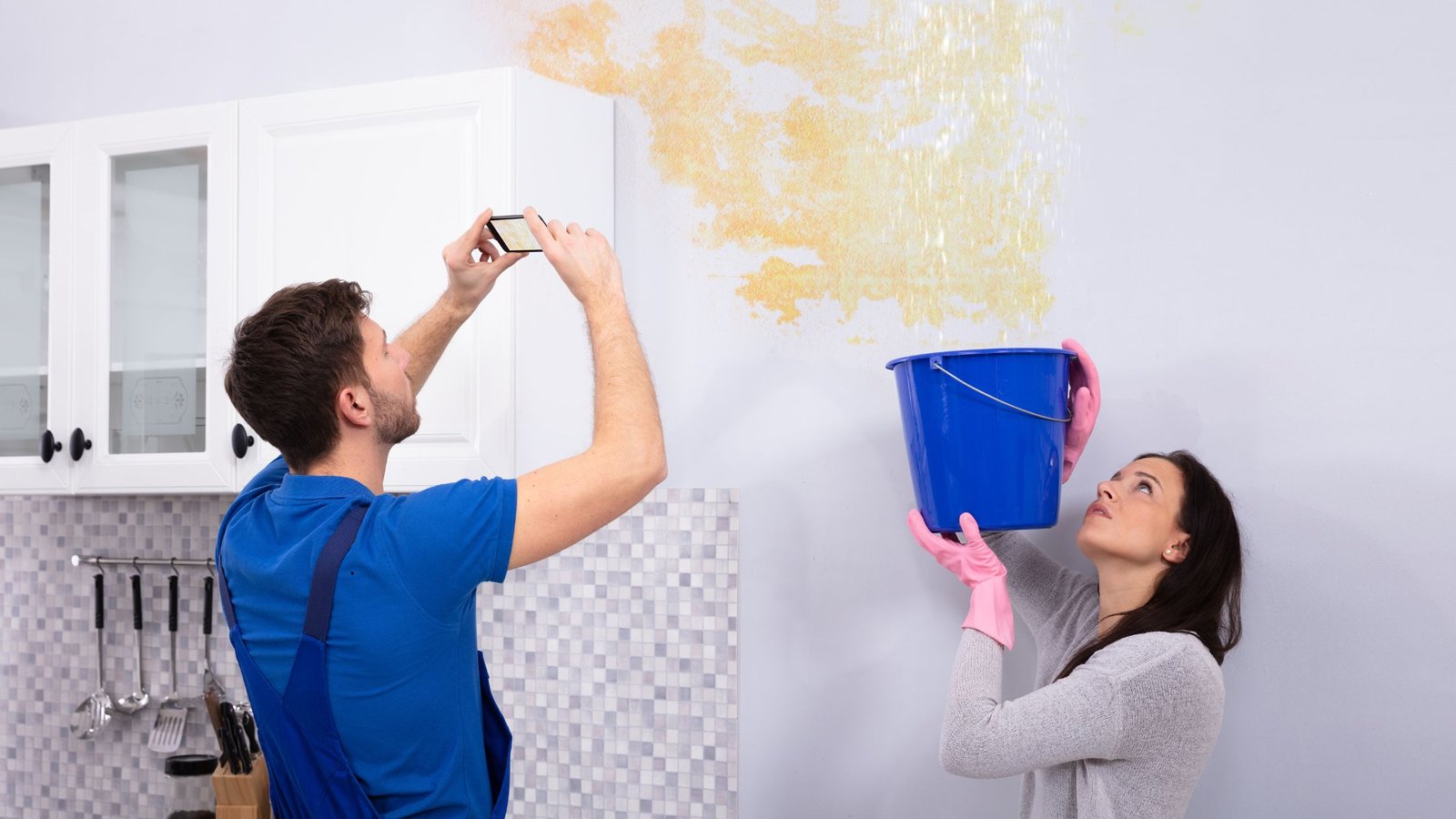
What really changes when you call a pro instead of grabbing a mop? Short answer: a lot. Longer answer: timing, tools, and frankly—sanity. When water invades a home or business, minutes count. Quick action can stop a small issue from becoming a full rebuild, and choosing the right team matters.
I’ve walked into more “we thought it was dry” jobs than I can count. Once, a quiet back office looked fine—until my moisture meter screamed behind the baseboard. Hidden water. Mold is just starting to wake up. We caught it in time, but barely. That’s the difference between hope and proof.
DIY has a place. But when you compare flood damage restoration companies to a quick towel-and-fan cleanup, you’ll see it: trained crews, extraction gear, containment, and measured drying. Speed plus skill reduces hidden moisture and mold risk. It also calms the chaos—loss of routine, lost revenue, and that “what now?” feeling.
If you need local help in Brooklyn, Dual Restoration is ready: (347) 309-7119 at 5308 13th Ave Suite 615.
Key Takeaways
- Time matters: fast response limits harm and cost.
- Expert teams find hidden moisture and cut mold risk.
- Ask before hiring: timelines, gear, documentation.
- Document for insurance: photos, receipts, written scope.
- Local, 24/7 help: crews who show up and get moving.
DIY Flood Cleanup vs Professional Restoration: Where Time and Risk Add Up
Water moves quickly—off the floor, into baseboards, drywall, and insulation. Hours matter. Standing water adds weight, spreads contaminants, and starts mold when moisture lingers. DIY could be fine for a tiny, clean-water spill with no wet drywall. But if ceilings sag, multiple rooms are wet, or the source is sewage or storm runoff—call a flood cleanup company and breathe again.
Here’s the blunt truth: quick action saves money. More time usually means more removal, more disruption, and more stress. If water touches walls or many rooms, a trained emergency team is often the faster, safer choice.
What to Look for in Flood Damage Restoration Companies
A fast, organized response separates a quick repair from a months-long headache. Start with a phone check—true 24/7 response, real scheduling, clear intake. A proper company begins with an on-site inspection and a written plan: inspection, extraction, drying, monitoring, and repairs. Look for photos, meter readings, and daily notes.
Credibility matters too—Better Business Bureau history, complaint patterns, and insurance coordination without pressure. If you’re comparing cleaning and restoration companies, ask for proof of process, not just promises.
- Verify 24/7 live answer and dispatch.
- Insist on inspection and a written scope before work.
- Expect photos, logs, and moisture readings—daily.
- Check licenses, reviews, and local service areas.
Emergency Steps to Take Until Help Arrives
Your first moves set the tone—safety first, then control. Turn off the water if you can do it safely. Cut power only if the area is dry and accessible. Don’t use a household vacuum for water—ever.
Mop or blot excess water. Keep traffic out of soaked areas so you don’t spread moisture. Lift cushions, place foil or wood under furniture legs, and move documents and valuables to a dry room. These simple steps buy time until a cleanup restoration team arrives.
- Stop the source; avoid electrical risk.
- Blot, don’t vacuum, standing water.
- Protect furniture legs; relocate important items.
The Professional Water Damage Restoration Process From Start to Finish
A clear plan from the first call keeps the job focused and faster. Intake questions triage urgency. On arrival, technicians map wet areas and hazards and create a written plan: scope, timeline, and expected services.
Phone intake and rapid dispatch
Focused questions help dispatch the right crew and equipment—no wasted trips, no lost time.
Inspection and planning
We identify wet materials and risks, then set a step-by-step path so everyone knows what happens next.
Water removal and water extraction
Pros use pumps and extraction units to pull bulk water first. That shortens drying and cuts risks. If you see the term water extraction service, that’s this critical first stage—fast, measured, and thorough.
Damaged materials removal
Unsalvageable materials come out early to speed drying and reduce contamination.
Cleaning, sanitizing, and deodorization
Floors, furniture, and contents get targeted cleaning so spaces are safe and livable again.
Industrial drying and moisture monitoring
Air movers and dehumidifiers target hidden moisture. Crews monitor daily and adjust until readings meet goals.
Repairs and final steps
After drying is confirmed, repairs and reconstruction restore the property to its pre-loss condition.
Equipment and Techniques DIY Can’t Match
Professional tools target moisture inside walls and floors—not just on the surface. Household fans move air, sure, but they can’t pull water out of structural materials. Industrial drying forces moisture out and then captures it. Containment keeps unaffected areas clean and usable.
| Feature | Typical DIY | Professional Services |
| Equipment power | Household fans, shop vac | High-capacity extractors, air movers |
| Moisture detection | Visual check, touch | Moisture meters, thermal imaging |
| Containment | Plastic sheets, tape | Professional barriers, negative air |
| Contents care | Move items to “dry room.” | Cataloging, secure storage, document restoration |
Why it matters: faster drying reduces the risk of recurring problems. If records, customer spaces, or high‑value items are at stake, call pros with proper methods.
How Long Flood Drying Takes and Why Speed Matters
We set realistic expectations: many water damage jobs take several days. The average drying window is often 3–5 days, but severity, contents, and materials change that. Surface dryness can be misleading—hidden moisture lingers in walls, under floors, and above ceilings. Proper drying is measured and confirmed, not assumed.
| Factor | Typical effect | Expected delay |
| Standing water | Longer extraction time | 1–3 days extra |
| Porous materials | Absorbs and traps moisture | 2–4 days extra |
| Hidden cavities | Requires demolition to access | Varies: 1–5 days |
Insurance and Documentation: Getting a Smoother Claim
Quick, clear paperwork often makes the difference between a smooth claim and a stalled one. Call your agent early and tell them what happened. A solid restoration team provides photos, logs, and written scopes for your insurer and coordinates communication so you can focus on recovery.
| Issue | What to record | Why it helps | How we support |
| Visible water lines | Photos with timestamps | Shows the extent for the insurer | Annotated photos in reports |
| Soaked contents | Item list + receipts | Supports replacement value | Cataloging and estimates |
| Source of loss | Notes on cause and time | Determines coverage type | Cause descriptions for adjusters |
| Emergency costs | Receipts/lodging | Reimbursable with proof | Attach receipts to the claim packet |
Commercial Flooding and Business Properties: Minimizing Downtime
Commercial spaces force quick choices that shape how fast you reopen. Safety and access first. Containment lets you cordon only the impacted rooms, so unaffected areas stay open. Ask for phased service—nights, weekends, or staged work to limit downtime.
| Property type | Priority | Typical service focus |
| Office | Employee access | Containment, rapid dry, phased repairs |
| Retail | Customer safety | Access control, fast cleanup, and inventory protection |
| Multi‑unit | Tenant access | Staged work, clear communication, shared‑area containment |
Local Provider Spotlight: Dual Restoration in Brooklyn, NY
Fast, local help turns uncertainty into action. Dual Restoration offers true 24/7 intake, rapid dispatch, daily notes, and coordination with insurers. If you need flood & fire restoration in Brooklyn, their team gets moving—like, now.
Serving NYC’s five boroughs and beyond, you’ll also find nearby crews through their locations hub—useful if you’re hunting for md restoration or truly independent restoration services coverage details across neighborhoods.
Conclusion
The first call you make can turn a messy event into a manageable project. DIY works for tiny, clean-water spills. Larger events, plumbing failures, or storm flooding need a trained team, the right gear, and clear documentation. Keep the recovery simple: intake, inspection, extraction, cleanup, drying, monitoring, repair.
For Brooklyn properties, call Dual Restoration at (347) 309-7119 or visit 5308 13th Ave Suite 615, Brooklyn, NY 11219. If you just want something quick and professional, a top-rated local crew can keep things calm and moving.
FAQ
How quickly does water spread through a home after a leak or overflow?
Water moves fast. It can soak carpets and spread to walls, baseboards, and subfloors within minutes to hours. Porous materials and gaps in flooring let moisture travel into insulation and wall cavities. Acting within the first few hours limits seepage and long‑term problems.
Can we handle the cleanup ourselves, or should we call a professional emergency team?
Small, contained spills that involve clean water and only surface drying may be manageable with towels and fans. Call professionals if you have standing water, contaminated sources, visible structural damage, extensive moisture in walls or flooring, or health concerns like mold. Pros bring extraction pumps, containment, and industrial drying that reduce risk and speed recovery.
What are the main risks of delaying professional remediation?
Delay increases the chance of hidden moisture, structural weakening, mold growth, and ruined contents. Moisture trapped in cavities and under floors can lead to rot and long‑term odors. Delays also complicate insurance claims and often raise repair costs.
What should we do immediately while waiting for a restoration crew?
Prioritize safety. Shut off electricity if areas are wet and you can do so safely. Stop the source if possible. Elevate furniture legs, move rugs outside when safe, and block doorways with towels to slow the spread.
Why shouldn’t we use a household vacuum to remove standing water?
Household vacuums aren’t designed for water and can short‑circuit, causing electrical shock or permanent damage to the unit. Professionals use extraction pumps and wet/dry vacuums rated for continuous water removal and faster recovery.
What should we look for when choosing a restoration provider?
Look for a verified 24/7 response, inspection with a written scope, and strong communication. Check licensing and reviews. If you’re searching broadly for providers in your area, ask how they document work for insurance—photos, logs, and daily moisture readings.
How do professionals document damage for insurance claims?
Technicians take photos, record meter readings, and produce written estimates and scopes. Daily progress notes and contents inventories support your claim. Ask how they coordinate with your insurance company.
What equipment do restoration teams use that we don’t have at home?
Commercial pumps, high‑capacity air movers, desiccant and refrigerant dehumidifiers, moisture meters, containment tools—the works. This combination shortens drying times and limits demolition.
How long does professional drying usually take?
Typical dry times range from a few days to a week or more. Duration depends on water volume, affected materials, and whether demolition is required. Crews use moisture meters to confirm internal dryness before closing the job.
When does the removal of wet materials become necessary?
When porous materials retain moisture, pose contamination risks, or block drying. Removing saturated insulation, padding, or wallboard speeds drying and reduces mold and odor risk.
How do professionals handle mold risk during remediation?
Containment, HEPA filtration, antimicrobial cleaning, and proper disposal. If mold is already present, specialists scale methods based on contamination type and size.
Will restoration include repairs and reconstruction?
Many teams provide full service from mitigation through repairs or coordinate trusted contractors to return the property to pre‑loss condition.
How can businesses minimize downtime after water intrusion?
Isolate the affected area, protect unaffected operations, and bring in a team that offers flexible scheduling and fast response. Prioritize customer/staff critical spaces and request phased plans so parts of the property stay usable.
Where can we find verified local support in Brooklyn, NY?
Confirm service area, emergency phone numbers, and office location. For Brooklyn properties, the dedicated local page is a helpful starting place.