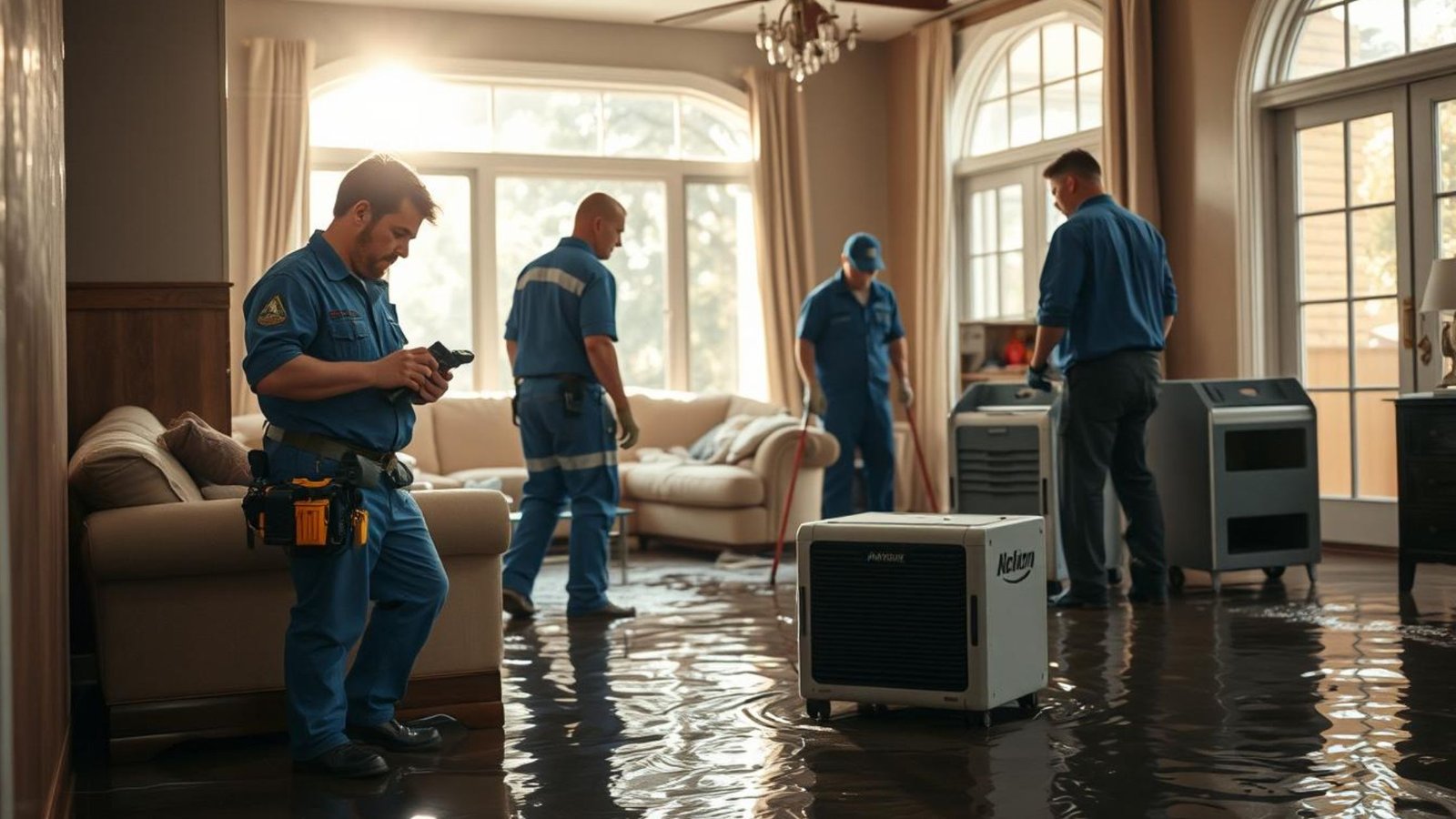
What if your space looks dry, but hidden threats keep growing beneath the surface? Happens more than folks realize. We see this often in Brooklyn: visible water is gone, and owners assume the crisis ended. Yet trapped moisture quietly feeds mold, weakens floors, and turns into long‑term costs you don’t want.
Quick action matters. Professional flood damage restoration—fast extraction, focused drying, and careful verification—cuts mold risk and limits structural harm. We use advanced moisture detection and document every step so you know the job is complete and you’re not guessing later.
Local help, real people: For business owners, “dry enough” can be misleading. Our Brooklyn team at Dual Restoration responds fast, communicates clearly, and balances safety with business continuity. Call us any time at (347) 309-7119 or visit 5308 13th Ave Suite 615, Brooklyn, NY 11219 for immediate help.
Key Takeaways
- Visible drying doesn’t guarantee hidden moisture is gone.
- Rapid extraction and drying reduce mold and structural risks.
- Professional moisture detection and documentation protect your property.
- Business continuity is a priority during emergency cleanup.
- Call Dual Restoration at (347) 309-7119 for fast local response.
Emergency Flood Cleanup for Brooklyn Businesses and Properties
Minutes matter when water reaches a storefront, office, or mixed‑use building. We move fast so your doors can reopen sooner. The goal is simple: limit property damage, cut downtime, and keep customers and staff safe.
Quick response looks like this: fast arrival and an immediate plan of action; rapid water removal and space stabilization; safety checks, extraction tools, and humidity control set up day one. Water loves to travel—through floors, drywall, shared walls. Delaying cleanup and a small incident can become a major headache.
I’ll be honest—the first time I walked into a flooded deli in Sunset Park, the owner looked wrecked. Coffee shaking in his hand, the register was stacked on milk crates. We pumped out the back room, reset airflow, and by the next morning, he had one aisle open. Not perfect, but it kept payroll alive. That’s the real win with flood restoration: measurable, practical uptime.
We support storefronts, back offices, and home business operations across Brooklyn. Our on‑call crew coordinates with tenants and managers to reduce closures and disputes. Local, on‑call support: Dual Restoration — Brooklyn‑based service. Call (347) 309-7119 or visit 5308 13th Ave Suite 615, Brooklyn, NY 11219 for 24/7 emergency cleanup and fast, professional service.
Hidden Water Damage After Flooding: What You Can’t See Can Cost You
We act fast because unseen moisture turns into a long‑term expense. Hidden pockets of wet building materials quietly eat away at a property’s value. Moisture hides behind walls, under floors, and in ceiling voids—hard to inspect without tools and experience. If you’re comparing flood damage restoration companies, make sure they prove dryness with real readings, not just “looks good.”
Secondary issues when cleanup is delayed: wood warps, finishes delaminate, metal corrodes, and odors linger. Standing water follows shared paths in multi‑unit and commercial spaces, expanding affected areas quickly. A small delay multiplies recovery work and cost.
| Issue | Early Sign | Professional Step |
| Subfloor moisture | Floor buckling | Targeted removal and drying |
| Wall cavity wetness | Soft or stained drywall | Moisture mapping, insulation removal |
| Ceiling cavity water | Sagging or discoloration | Cavity inspection and dehumidification |
Mold Growth and Indoor Air Risks After a Flood
When moisture lingers, tiny spores can turn a clean‑looking room into a health risk in days. High humidity and damp materials let mold thrive—porous surfaces like drywall and wood soak it up. Quick water mitigation and dehumidification stop that process by dropping humidity and thoroughly drying materials. If you’re screening flood mitigation companies, ask how they verify humidity and when they retest.
Health and safety concerns: indoor air quality drops when mold spreads—irritation, persistent musty smells, allergy‑like symptoms. For businesses, that hurts employee comfort and customer confidence. Surface wiping can hide the problem; true remediation needs containment, removal of affected materials, and verification of dryness.
| Sign | Risk | Recommended Action |
| Musty odor | Air quality problems | Inspect HVAC and interiors; measure humidity |
| Visible black or green spots | Material contamination | Containment and targeted remediation |
| Recurring wet spots | Hidden moisture | Moisture mapping and full drying |
| Allergy symptoms | Occupant health impact | Professional cleanup and air testing |
We reduce mold growth risk by controlling humidity, documenting readings, and completing certified remediation when needed. Simple as that—measure, act, verify.
Flood Damage Restoration That Stops Damage at the Source
Pinpointing where water enters a property is step one to protecting the structure and value. We define mitigation in plain language: prevent more damage, minimize what already happened, then repair what’s needed so you can move forward with confidence. If you hire a flood damage restoration company, make sure they hunt the source, not just the symptoms.
What that looks like: locating roof entry points, clogged drains, slow leaks; controlling humidity so materials can dry and recover their integrity. Fast water removal leads to quicker results—fewer materials need demolition, and floors, walls, and structural components keep their integrity.
From extraction to rebuild, one plan—remediation and restoration phases coordinated so you don’t juggle vendors. Predictable timeline from day one reduces surprises and overages. The goal is simple: return your property to pre‑loss condition so your home or commercial space is safe, stable, and usable again.
Our Water Damage Restoration Process: From Inspection to Full Restoration
When water affects a property, clear next steps remove guesswork and speed recovery.
Assessment and safety evaluation
We begin with a fast inspection to gauge severity and scope. We check electrical and structural risks so the plan matches real needs.
Advanced moisture detection
We use meters and thermal imaging to find hidden wet pockets—preventing mold and repeat failures later.
Water removal and targeted drying
We extract standing water quickly, then run controlled drying and dehumidification until readings meet targets.
Cleaning, odor control, and repairs
We clean, remove unsalvageable materials, and complete repairs to restore structural integrity—returning the site to pre‑loss condition.
Documentation and communication
We document every step with photos and moisture logs—transparency that supports insurance claims and owner decisions during complex flood restorations.
| Step | Goal | Key Tools | Outcome |
| Assessment | Define scope & safety | Inspection, meters | Clear plan |
| Water removal | Remove standing water | Pumps, extractors | Dryable structure |
| Drying & repairs | Restore integrity | Dehumidifiers, trades | Pre‑loss condition |
Professional Drying Equipment That Prevents Long-Term Structural Damage
A controlled drying plan uses machines that pull moisture from materials, not just the air. We deploy industrial pumps, commercial dehumidifiers, and high‑volume air movers in coordinated setups. Household fans only move air; they can’t lower humidity or extract moisture deep in wood, insulation, and subfloors—this is where professional restoration services make the difference.
Industrial-grade dehumidifiers and air movers accelerate drying
Strategic placement creates airflow paths that pull moisture out of materials. Dehumidifiers then remove that moisture from the space.
Why proper drying reduces overall restoration costs
When drying and water removal work as one system, you avoid unnecessary tear‑outs and surprise repairs later. Faster stabilization means less time closed and fewer lost sales. We monitor readings, so every decision is based on data—not guesswork.
| Tool | Role | Benefit |
| Industrial pump | Rapid water removal | Quicker dry‑down |
| Commercial dehumidifier | Humidity control | Protects building materials |
| Air mover | Directed airflow | Pulls moisture from interiors |
Our company combines these services so your property recovers the right way. That approach keeps costs down and outcomes clear for owners and managers.
Sewage, Contaminated Water, and Hazardous Flood Conditions
Contaminated water events demand an urgent, trained response to protect people and property. Sewage can contain viruses, bacteria, and other microbes—treat it as an emergency. Keep staff and customers out and call professionals right away.
Safe cleanup and remediation steps
We separate clean‑water events from contaminated ones. That difference changes safety gear, methods, and disposal rules: controlled removal using pumps and containment; thorough disinfection and air clearance; safe handling and disposal of affected materials. The goal is simple—make the space safe again, reduce exposure risk, and stop lingering odors.
| Hazard | Action | Result |
| Sewage | Immediate containment | Reduced health risk |
| Contaminated materials | Safe disposal | No lingering contamination |
| Airborne microbes | Disinfection & testing | Clear air for re‑entry |
Practical guidance: do not touch contaminated areas. Avoid DIY contact. Call trained services for safe cleanup and removal so reopening decisions are clearer and faster.
Commercial Flood Restoration for Brooklyn Businesses
When a commercial space gets wet, every hour hits revenue and trust. We plan to get you back to work fast—stabilize power and walkways, remove standing water, and set up drying to limit closures. That lets parts of a store or office reopen sooner. If you’re coordinating vendors, a skilled mitigation company keeps work phased and safe so customers and staff can navigate around it.
Reducing operational downtime and protecting revenue
We prioritize critical areas first. Faster recovery protects sales and contracts and reduces disputes among managers and tenants.
| Situation | Immediate Action | Goal |
| Roof intrusion after a storm | Contain, dry the ceilings, and repair the leak | Stop entry and protect inventory |
| Ground‑level entry | Drain, sanitize floors, dry slabs | Open floor for safe access |
| Interior system failure | Isolate utilities, targeted drying | Limit affected areas; fast partial reopening |
We aim to reduce downtime and protect revenue with measured plans. We keep communication open with managers and tenants for fast decisions. Our services scale to any commercial job, so your property returns to normal quickly.
Working With Your Insurance Company During Damage Restoration
Insurance claims move faster when every step is recorded and shared promptly. We support you through the process with clear documentation and steady updates—so you can focus on reopening instead of chasing paperwork. If you’re comparing flood damage restoration company options, ask to see sample logs and photo sets before you sign.
Streamlining the claim with clear documentation
What we provide: photos at each stage, time‑stamped moisture readings, and notes on affected materials and emergency steps taken to limit property damage—plus a concise timeline.
What to expect from adjuster communication and restoration timelines
| Stage | Purpose | What we deliver |
| Assessment | Define scope | Inspection report, photos |
| Mitigation | Stop further harm | Service log, moisture readings |
| Verification & Repairs | Confirm dryness and rebuild | Final readings, repair notes |
We handle on‑site work while your insurance company decides coverage. Clear records often cut back and forth and speed approvals. That helps you move from disruption to normal operations sooner.
Conclusion
A speedy, documented response protects both the building and the people who use it. Hidden moisture, standing water spread, and mold are the real risks after an event. Fast action lowers health concerns and preserves structural integrity. Professional water damage work is more than drying—it protects integrity, prevents secondary issues, and guides the full damage restoration process through repairs and verified water removal.
We also handle fire and smoke events, roof or storm leaks, and coordinate repairs so your home or commercial property returns to pre‑loss condition. If you need flood restorations or broader services, we’ve got you covered across New York and beyond. Looking for independent restoration services across regions? See our active service areas and get help now.
Next steps: document the situation, avoid unsafe affected areas, and call our team for emergency cleanup and water removal. Contact Dual Restoration at (347) 309-7119 or visit 5308 13th Ave Suite 615, Brooklyn, NY 11219 for fast, local service and clear communication.
FAQ
What hidden risks remain after a flood, and how does restoration prevent them?
Restoration teams inspect for trapped moisture, structural weakening, and mold. We remove standing water, dry materials with industrial dehumidifiers and air movers, and repair compromised sections. That combination stops long‑term decay, prevents mold growth, and restores the property to its pre‑loss condition.
How fast should a business in Brooklyn call for emergency cleanup?
Immediately. A quick response limits property loss, cuts downtime, and reduces secondary issues like mold and corrosion. Local, on‑call crews can start water removal and containment within hours to protect operations and revenue.
Can water hide behind walls or under floors after a flooding event?
Yes. Moisture often moves into wall cavities, subfloors, and ceiling spaces. We use advanced moisture detection tools to find hidden pockets, then dry and remove affected materials to prevent structural decay and mold.
What happens if cleanup is delayed?
Delays let moisture spread and cause secondary damage. Wood swells, drywall weakens, metals corrode, and mold colonizes. Early mitigation reduces repair scope and overall restoration costs.
How quickly does standing water spread into other areas?
Very quickly. Water follows gravity and builds pathways—openings, seams, and porous materials. Prompt extraction and containment are essential to limit affected areas.
Why does high humidity increase the risk of mold and mildew?
Humid conditions create the moisture that mold needs to grow. When relative humidity stays high after water events, spores colonize surfaces fast. Professional drying and dehumidification reduce that risk.
Are mold remediation and basic cleanup the same?
No. Basic cleanup removes visible messes. Mold remediation requires containment, testing, targeted removal, and HEPA filtration to address biological hazards. We recommend specialists when mold is visible or suspected.
What is water mitigation, and how does it stop damage at the source?
Mitigation focuses on immediate actions: water extraction, containment, and drying. We also identify and fix the source—like leaks or roof breaches—so the issue doesn’t recur while repairs restore integrity.
What steps are included in a full restoration process?
We inspect and assess damage, perform moisture detection, remove standing water, dry and dehumidify, clean and discard unsalvageable materials, control odors, and then repair and reconstruct affected areas. Documentation is provided throughout.
How do industrial dehumidifiers and air movers help prevent long-term structural issues?
They accelerate evaporation and reduce indoor humidity. Faster, controlled drying prevents warping, delamination, and mold growth—which lowers repair needs and long‑term costs.
Is sewage or contaminated water treated differently?
Yes. Sewage and contaminated water carry pathogens and require PPE, disinfection, and specialized disposal. We follow safety protocols to protect occupants and restore safe conditions.
How can commercial properties minimize operational disruption during restoration?
Plan with a restoration partner who understands business needs. We schedule work in phases, secure affected zones, preserve assets when possible, and communicate timelines to reduce downtime and protect customers and staff.
What documentation should I gather for an insurance claim?
Take photos of affected areas, keep records of emergency services and receipts, and get written estimates. We provide detailed inspection reports, moisture readings, and scope‑of‑work documents to streamline claims.
How do we coordinate with insurance adjusters during the process?
We communicate directly with adjusters, share inspection findings, and provide clear timelines and repair estimates. That transparency helps speed approvals and ensures the restoration aligns with policy coverage.
Service regions: New York (NYC’s five boroughs), New Jersey, Connecticut, Pennsylvania. 24/7 emergency response.