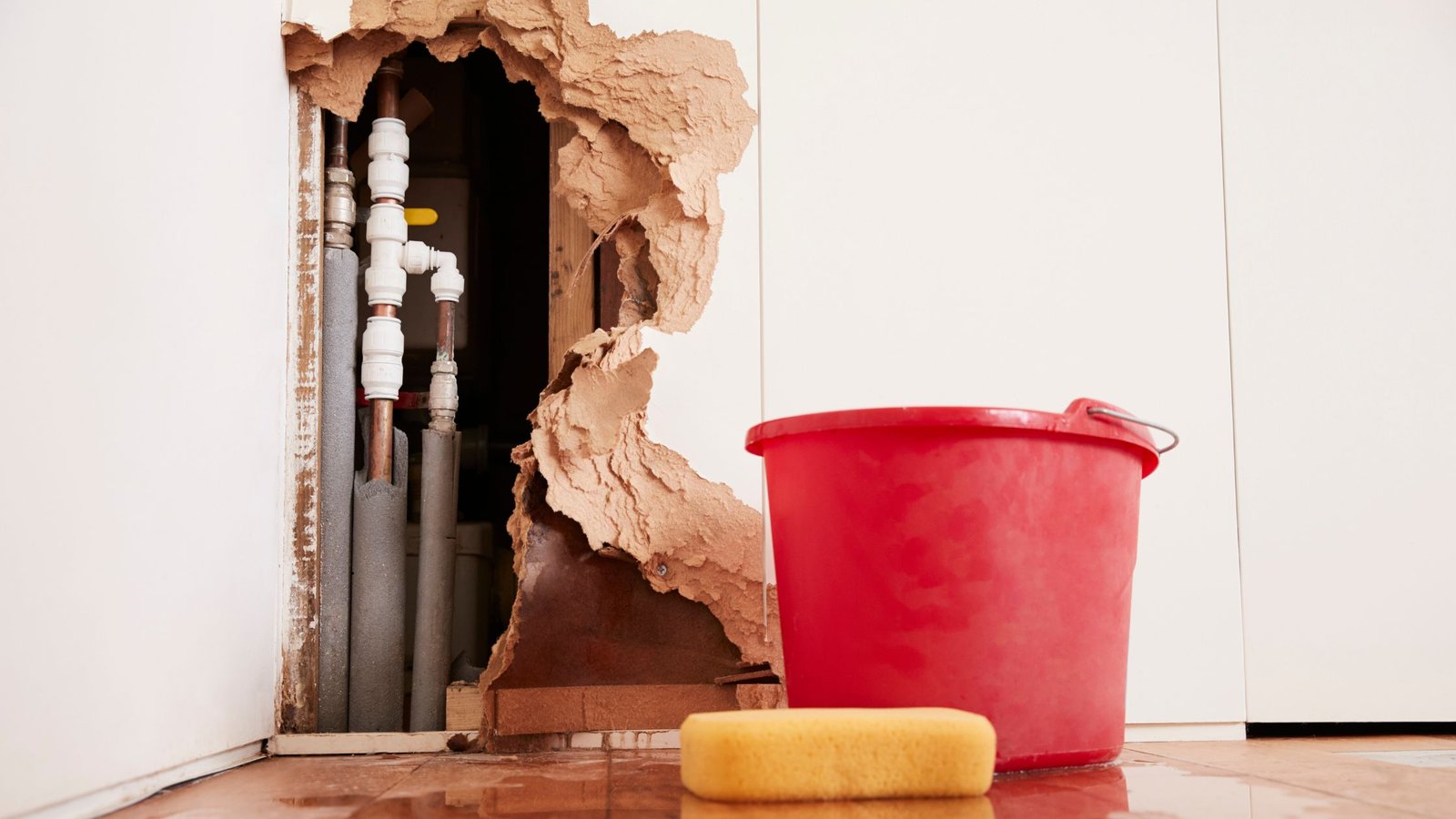
What if that small leak in the ceiling becomes a bill you can’t afford? A short delay often turns a fixable spill into progressive harm that spreads through floors and walls. We see this every day in Brooklyn. If you need home water damage restoration, acting fast isn’t a “nice to have” — it’s the whole game.
Acting fast matters. In the first 48 hours, moisture moves and mold finds new places to grow. Quick emergency response reduces tear-outs, saves belongings, and cuts long-term repair costs. I’ve watched “small drip” jobs turn into major rebuilds just because a weekend went by. Not trying to scare you — just what really happens.
Below, we explain what happens in those first critical days, gear we use on-site, and how the full process of water damage restoration works. Whether it’s a tiny supply line leak or a saturated duplex, we handle both with the same care.
Call Dual Restoration at (347) 309-7119 for urgent help. We’ll guide you on documentation for insurance and the next steps to restore affected spaces to their pre-loss condition.
Key Takeaways
- Delays let moisture spread, increasing repair scope and cost.
- Fast action often means less demolition and fewer lost items.
- We respond 24/7 to limit secondary problems like mold.
- Proper documentation helps when filing insurance claims.
- Call Dual Restoration at (347) 309-7119 for prompt, local service.
The True Cost of Waiting After Water Damage in Your Home
A small leak can hide a bigger mess inside walls and floors. Porous building materials act like sponges. Drywall, wood, insulation, and carpet pull liquid deeper than the visible wet spot — and that spread adds up fast on your estimate.
How moisture spreads through porous materials
When moisture reaches drywall or subflooring, it soaks in and travels. Wood warps and weakens. Insulation loses its ability to dry and traps dampness. That hidden spread raises the overall extent of repairs.
When “minor” moisture becomes major structural damage
What starts as a small stain can lead to rotting framing, buckled floors, and failing finishes. Delays let problems grow and increase the cost of repair. In Brooklyn, older pipes and party walls can move moisture into the next unit.
Causes: faulty pipes, flooding, or storm-driven intrusion can begin the chain. Risk: the longer the moisture stays, the more the property suffers and the more invasive the work becomes. If you’re unsure who to call, an emergency water damage company can triage same-day and stop the spread.
Act quickly. Early drying is the most cost-effective step. Call Dual Restoration | Brooklyn, NY at (347) 309-7119 for a prompt assessment and clear next steps.
Home Water Damage Restoration: What Happens in the First 24-48 Hours
Early action in the first two days often stops minor wet spots from becoming major repairs. We focus on quick steps that protect your property and your belongings. The clock starts the moment moisture enters a room — honestly, even sooner if it’s still leaking.
Mold can begin developing within 24 to 48 hours
Mold spores grow fast in damp conditions. Within a day or two, mold can appear on drywall, insulation, and fabrics. That growth makes cleanup harder and increases the risk to air quality. We act fast to keep mold from taking hold.
Why does standing water accelerate bacteria and contamination risks
Standing water creates a perfect environment for bacteria to multiply. Contaminated pools can affect floors and items quickly. Removing pooled liquid lowers health risks and speeds drying.
How fast action helps protect your property and contents
Immediate water extraction and drying limit what must be removed. Quick drying often saves floors, cabinets, and personal items. For homeowners, practical, no-drama residential water restoration means we stabilize, document, and start drying without waiting on paperwork.
A quick personal story.
I still think about a brownstone in Crown Heights — dishwasher line popped overnight. The owner called early, a little panicked. We were setting up extractors before breakfast. Because we moved fast, those original hardwood floors? Saved. A day later, a different story. That’s the line we walk every day.
While help is en route:
- Avoid wet electrical areas and keep people safe.
- Move small valuables to a dry spot if it’s safe to do so.
- Take photos for insurance and note the time of the incident.
| Timeframe | Risk | Immediate Action |
| 0–12 hours | Pooled standing water; contamination begins | Stop source if safe; document scene; call emergency help |
| 12–24 hours | Materials absorb moisture; bacteria multiply | Begin water extraction; ventilate if safe |
| 24–48 hours | Mold visible; odors and structural softening | Start drying protocol and containment; professional assessment |
Common Causes of Residential Water Damage We See in Brooklyn Homes
Every call we take usually traces back to a handful of predictable sources. Knowing the common triggers helps you spot problems early and act fast — before ceilings stain or floors cup.
Burst pipes, plumbing leaks, and overflows
Old or frozen pipes can burst without warning. Slow plumbing leaks and overflows from sinks, tubs, or toilets soak floors and walls before you notice.
Storm runoff, flooding, and flash-flood conditions
Heavy rain and storm runoff can push floodwater into basements and low areas. Floods often carry contaminants, so cleanup must follow safety steps.
Appliance and HVAC line leaks that create hidden moisture
Appliance hoses, dishwashers, washing machines, refrigerators, and HVAC lines drip inside cabinets and ceilings. These hidden sources let moisture travel into adjacent areas and shared walls.
What to do first: document the likely source with photos or video. That helps us, and it helps insurance claims. Whether it’s a home or a small business area, Dual Restoration | Brooklyn at (347) 309-7119 can help. When in doubt, choose a team that handles residential restoration companies concerns all day long — we’ll triage and get the plan moving.
Next: we use advanced inspection tools to find hidden moisture and limit further damage.
Emergency Water Extraction and Drying Equipment That Limits Damage
Rapid, targeted equipment is the difference between a small cleanup and a major rebuild. We arrive with tools chosen to stop hidden problems — not just dry what you see.
Advanced inspection: we use moisture meters, thermal imaging, and borescopes to find wet spots behind walls and under floors. This lets us plan extraction and drying precisely.
Fast extraction to remove standing water
Industrial pumps and vacuums pull standing water fast. Removing standing water stops the spread and lowers the chance of secondary issues.
Strategic drying and dehumidification
Dehumidifiers and air movers are placed to direct airflow and speed evaporation. The right placement reduces repair scope and protects personal items.
Monitoring and controlled adjustments
We log moisture readings and adjust equipment until safe levels return. This controlled drying process prevents trapped dampness that causes odors or mold. Need a thorough cleanup and restoration with documentation for your carrier? We’ll handle the paperwork trail, too.
Why this matters: Trained professionals use the proper equipment and methods to limit long-term damage. What you get: clear documentation of extraction, drying, and removal steps for insurance and peace of mind.
Our Water Damage Restoration Process From Start to Finish
We begin with a rapid assessment, then follow a proven sequence to stop the spread and rebuild efficiently. Our goal is clear: limit loss and return your property to a safe condition. In short — stabilize, dry, repair.
Emergency response and initial assessment of the extent and source
We respond quickly and check the full extent. Our technicians locate the source and document affected areas for claims and planning.
Stopping the source to prevent further spread
If safe, we stop leaks or isolate the area to protect unaffected rooms. This step reduces the scope of the job.
Water removal and extraction
We use industrial extraction equipment to remove standing pools fast. Early removal cuts drying time and lowers repair needs.
Anti-microbial application to reduce mold and bacteria risk
After extraction, we apply anti-microbial treatment to inhibit mold and bacteria. This cleaning step protects air quality and finishes.
Structural drying and dehumidification with ongoing adjustments
Air movers and dehumidifiers are placed and monitored. We log moisture readings and adjust equipment until safe moisture levels return.
Repair, restoration, and reconstruction when needed
When drying is complete, we rebuild with care to restore the pre-loss condition. We manage the full job and keep you informed. If the scope is larger — think flooring, cabinets, or walls — we coordinate trades and keep documentation tight for property damage restoration claims.
How Long Does Water Damage Restoration Take and What Impacts the Timeline
Timelines vary, but knowing the phases helps you plan and feel in control. We split the work into two clear phases: rapid drying, then full rebuilding and finishing. This separation keeps the job organized and sets realistic milestones for you and your family.
The two phases: drying the property and restoring it
Dry first, then rebuild. That order prevents trapped moisture and keeps finish work from failing later.
Typical drying time: about 3 to 5 days
Drying is usually done in about 3 to 5 days. That window can lengthen if moisture-soaked deep materials or the extent is large.
Why full restoration can take weeks in severe cases
Full restoration can take weeks. Repairs, permits, and rebuild steps add time. Contaminated water or structural repairs also extend the timeline. For coordination across trades, experienced property restoration companies keep schedules tight and communication clear.
What affects time: how long water sat, how far it spread, materials affected, and contamination level. We monitor moisture and adjust equipment to avoid rework and surprise problems — and we’ll give you straight updates as we go.
For a timeline estimate and next steps, call Dual Restoration at (347) 309-7119.
When Water Damage Becomes a Health Hazard: Mold, Bacteria, and Sewage
Not all wet events are the same — some bring microbes that demand immediate, professional care. We tell families how to spot risks and when to call for help.
Why sewage backups are an emergency due to viruses and bacteria
Sewage often carries viruses and bacteria that can make people very ill. That makes these incidents an emergency. Even small backups can spread contaminants into floors and walls. Fast action limits exposure and long-term harm.
How contaminated water affects safe cleanup and removal steps
Contaminated water changes the cleanup plan. Containment is stricter. Porous materials often require removal. We use deep cleaning, anti-microbial treatments, and monitored drying to stop mold growth and pathogens — including complex water fire mold restoration scenarios that touch multiple systems.
Decontamination goals: clean, dry, and safe for your family
Our aim is simple: return spaces to clean, dry, and safe. Visual dryness alone isn’t enough. Do not DIY sewage or heavily contaminated flood jobs — call trained professionals for proper disposal and sanitation.
- Sewage backup: Viruses, bacteria — evacuate area, call professionals for containment and removal
- Storm flooding: Pollutants, sediment — restrict access, document loss, begin professional cleaning
- Clean leak: Mold if left wet — extract standing water, monitor drying, apply anti-microbial
Insurance Claims Support and Documentation That Protects Your Budget
A well-documented recovery makes it easier to prove losses and keep costs down. We guide you through the insurance process so you can focus on your family and property.
What to document during extraction, drying, and repairs
Take clear photos and videos of all affected areas. Date each file and note the time it was taken. Record visible damage to floors, walls, and contents. Keep receipts for temporary repairs or storage.
How Dual Restoration helps streamline the insurance process
We log moisture readings, equipment run-times, and step-by-step notes. These entries validate the scope of the loss to an adjuster. We organize paperwork — photos, monitoring logs, and a timeline tied to the work performed. That reduces back-and-forth with your carrier. Our professionals prepare clear reports that explain the extraction and drying steps and why certain repairs were needed.
Dual Restoration insurance help | Call (347) 309-7119 | 5308 13th Ave Suite 615, Brooklyn, NY 11219
Why Choose Dual Restoration for Residential Water Damage Restoration in Brooklyn
Our local team responds around the clock, so small incidents don’t become major rebuilds. We’re neighbors. We treat your place like it’s ours.
Available for emergency response to any size disaster
We offer 24/7 emergency response across Brooklyn areas. Call us any time, and we will arrive fast to assess the scene and secure your property. That’s what you want from seasoned property restoration companies — speed, quality, and clarity.
Professional technicians using advanced extraction and drying equipment
Our technicians use advanced inspection tools, extraction vacuums, and targeted drying gear. This approach limits loss and shortens the recovery timeline.
Focused on restoring your home to pre-damage condition
We follow a clear plan to return your house to a safe, pre-loss condition. That includes careful checks behind walls and under floors, so nothing is missed.
Serving the Brooklyn community with reliable, local service
We are a Brooklyn-first company. We serve all borough areas with respectful, low-disruption service and steady updates.
| What we do | Why it matters | What you get |
| 24/7 emergency response | Stops spread early | Faster recovery, less loss |
| Trained technicians & equipment | Targeted extraction & drying | Documented, effective work |
| Local service across the Brooklyn areas | Familiarity with building types | Reliable, timely updates |
Conclusion
Quick action often prevents an easy fix from turning into a major rebuild. Delaying response to water damage raises costs, increases lost contents, and lengthens the job. Mold can begin in 24–48 hours, and drying times vary by extent and materials. If you’re looking for a reliable restoration partner, we’re here — fast, careful, documented.
Act fast: document the scene, protect belongings when safe, and call professionals for proper drying and cleaning. Organized records make insurance claims smoother. We’re here for Brooklyn families and home business owners. Dual Restoration | 5308 13th Ave Suite 615, Brooklyn, NY 11219 | Call (347) 309-7119 — call today so we can assess, contain, and restore before problems grow.
FAQ
Why is delaying restoration after a leak or flood so costly?
Acting slowly lets moisture soak into drywall, wood, and insulation. That hidden spread weakens structure, ruins finishes, and raises repair bills. Immediate action reduces repair scope and keeps costs down.
How does moisture travel through building materials?
Porous materials draw water in via capillary action. Wood swells, drywall softens, and insulation traps moisture. Once behind surfaces, drying takes longer and often requires cutting out damaged sections.
When does “minor” moisture become major structural damage?
If dampness isn’t controlled within 24–48 hours, materials can delaminate, fasteners corrode, and framing can weaken. Small stains can become full-scale repairs if left untreated.
Can mold really begin within 24 to 48 hours?
Yes. Mold spores are everywhere. In damp conditions, they grow quickly on organic materials like wood and drywall. Fast drying and antimicrobial steps prevent colonies from forming.
Why is standing water so dangerous for health and property?
Standing water promotes bacteria and contamination, especially if it contains sewage or runoff. It absorbs contents, fosters mold, and increases the risk of illness. Quick extraction is essential.
How does fast action protect my property and belongings?
Rapid extraction and targeted drying stop moisture migration and limit secondary damage. We prioritize content protection, document losses, and stabilize conditions to avoid greater loss.
What are the most common causes of residential flooding in Brooklyn?
We often respond to burst pipes, hidden plumbing leaks, appliance line failures, and storm runoff or flash-flood events. Each source needs a specific stopgap and repair plan.
How do technicians find hidden moisture behind walls and floors?
We use infrared imaging, moisture meters, and inspection cameras to locate pockets of trapped water. That targeted approach prevents unnecessary demolition and speeds drying.
What equipment limits damage during extraction and drying?
High-capacity pumps remove standing water fast. Industrial dehumidifiers and air movers control humidity and airflow. Continuous monitoring tells us when conditions are safe.
What happens in the first 24–48 hours of a response?
We assess the extent and source, stop ongoing leaks, perform rapid extraction, set up drying systems, and document the work. Early antimicrobial treatment reduces mold and bacterial risk.
How long does the drying phase usually take?
Typical structural drying takes about three to five days, but timing varies with materials, extent of saturation, and ventilation. Severe cases can extend into weeks.
When is full restoration completed after drying?
Once moisture levels return to safe baselines, we repair or rebuild affected finishes and structures. Restoration time depends on scope—simple repairs take days; reconstruction can take weeks.
How are sewage backups different from other water incidents?
Sewage contains pathogens and requires strict contamination controls. We use PPE, disinfectants, and containment protocols to protect occupants and ensure safe cleanup.
What should I document for an insurance claim during cleanup?
Photograph damage and standing water, keep dated records of actions taken, and save invoices for extraction, drying, and repairs. Detailed documentation speeds claim approvals.
How does professional documentation support my claim?
We provide time-stamped reports, moisture readings, and equipment logs that clarify scope and necessity. Clear records reduce disputes and help secure fair coverage.
Why choose a local restoration team for emergencies?
Local teams respond faster, know neighborhood risk patterns, and maintain community trust. Rapid arrival limits damage and helps families recover sooner.
What qualifications should technicians have?
Look for trained professionals who use advanced extraction and drying gear, follow industry standards, and document work. Certification from organizations like IICRC is a good sign.
How do you protect contents during restoration?
We move, pack, and dry salvageable items, and employ contents cleaning when needed. Our goal is to restore valuables and reduce replacement costs for your family.
What steps prevent future incidents after repairs?
We stop the source, repair plumbing or drainage issues, improve ventilation, and recommend routine maintenance. Preventive measures lower the chance of repeat events.
How quickly can a team respond in an emergency?
Local emergency crews aim to arrive within hours. Fast arrival matters — it minimizes spread and protects structure and health.