In 2023, nearly 24,000 residential fires were reported across the United States, highlighting a serious concern for homeowners. These incidents tragically claimed over 300 lives, emphasizing the importance of understanding the risks associated with electrical systems in your home. When dealing with the aftermath of such a fire, it’s crucial to prioritize safety and seek professional help.
Restoring your home after an electrical fire is not just about cleaning up; it involves ensuring that your property is safe for habitation again. The unique dangers posed by these types of blazes make it essential to have expert guidance. Our team is here to assist you in navigating the complex process of recovery.
Don’t wait until it’s too late. Understanding how to mitigate damage and restore your home is a critical life-saving skill that every homeowner should possess. Let us help you regain your peace of mind today.
Key Takeaways
- Over 24,000 residential fires occurred in 2023, indicating a significant risk.
- More than 300 lives were lost due to these incidents, stressing the need for safety.
- Professional assistance is vital for ensuring your home is safe after a fire.
- Understanding the recovery process can help you protect your property.
- Acting quickly can mitigate further damage and enhance safety.
Understanding Electrical Fires: Causes and Warning Signs
Homeowners must recognize the dangers posed by faulty systems. The risk of fires is often linked to issues like aging wiring and overloaded outlets. Understanding these risks can help you take preventive measures.
According to the NFPA, between 2015 and 2019, there were roughly 32,620 reported home structure fires annually involving electrical distribution or lighting equipment. These incidents led to an average of 430 civilian deaths and 1,070 civilian injuries, highlighting the hazards associated with poor wiring.
Be vigilant for warning signs that your electrical system may be failing. Here are some key indicators:
- Flickering lights or buzzing sounds can signal a failing circuit.
- Warm outlets or acrid smells may indicate an impending fire.
- Watch for signs electrical systems provide, such as unusual heat or strange noises.
Identifying these signs early can prevent the 32,620 annual fires reported by the NFPA. Remember, safety begins with awareness!
Immediate Safety Steps to Take During an Electrical Fire
Quick action during a fire can make all the difference in ensuring safety. If you discover an electrical fire in your home, it’s vital to assess the situation calmly. Start by cutting off the electricity to the affected area, but only if you can do so safely.
If the fire is spreading quickly, prioritize your safety. Evacuate your home immediately and call 911 from a safe location. The U.S. Fire Administration advises against trying to extinguish a fire if the risk is too high.
- Assess the situation and cut off the electricity if safe.
- If the fire grows rapidly, evacuate and call 911 right away.
- Never attempt to be a hero; your safety is paramount.
- Once outside, call 911 to ensure emergency responders can act quickly.
- These immediate steps can minimize damage and keep you safe from electrocution.
Electrical Fire Cleanup: How-To Guide for Effective Action
Knowing how to effectively manage a small blaze can save your home and life. When faced with an electrical fire, it’s crucial to act quickly and correctly. Here are some essential methods to put out these types of fires safely.
Using a Class C Fire Extinguisher and the PASS Technique
To put electrical fire flames out, you must use a Class C fire extinguisher, which is the correct type fire extinguisher for this hazard. Always remember the PASS technique:
- Pull the pin.
- Aim at the base of the fire.
- Squeeze the handle.
- Sweep side to side.
Alternative Methods: Smothering with Baking Soda
If you lack a fire extinguisher, you can put electrical fire flames out by using baking soda to smother the oxygen source. This method is effective for small fires. However, you should never use water on an electrical fire, as water electrical conductivity can cause severe electrocution or spread the fire to other materials.
| Type of Fire Extinguisher | Best For | Notes |
|---|---|---|
| Class C | Electrical fires | Use only for electrical fires. |
| ABC | All types of fires | Versatile but check labels. |
| Baking Soda | Small electrical fires | Only for minor fires. |
Do’s and Don’ts When Handling an Electrical Fire
Your immediate actions during a blaze can prevent severe damage and ensure safety. Knowing what to avoid and what practices to follow is essential for every homeowner. Here are some critical do’s and don’ts to keep in mind.
What to Avoid: Never Use Water or Incorrect Extinguishers
Water is a natural conductor of electricity. Using it on an electrical fire creates a high risk of electrocution. Avoid these common mistakes:
- Never use water to extinguish a fire involving electrical devices.
- Do not use a standard fire extinguisher unless it is rated for electrical fires.
Recommended Practices for Safe Fire Suppression
To effectively manage a fire, follow these recommended practices:
- Ensure your home has smoke detectors installed; they cut the risk of dying in a fire by 60%.
- Regularly inspect your cords and outlets for signs of wear.
- Never use an extension cord for major appliances to protect your electrical system.
- If you notice smoke or a burning source, shut off the circuit at the breaker panel.
- Test smoke detectors monthly to ensure they are functioning correctly.
By following these steps, you can help prevent electrical incidents from causing permanent damage to your home. For more information on fire safety, check out our effective fire and water restoration guide.
Prevention Tips to Avoid Electrical Fire Hazards
Every year, thousands of homes are lost to preventable electrical fires, making awareness essential. You can take several proactive steps to minimize the risk of these fires in your home. Regular inspection and maintenance of your electrical systems are crucial in keeping your home safe.
Consider these important measures:
- The ESFI estimates that electrical fires cause an average of 51,000 home fires in the United States every year, necessitating regular wiring inspections.
- Installing AFCI protection in your home can prevent between 50-75% of certain electrical fires by detecting hazards that standard breakers miss.
- Invite a professional to inspect your home wiring and outlets to ensure they meet modern safety standards and reduce fire risk.
- Regularly check your cords for fraying, a simple way to prevent the electrical fires that plague thousands of homes annually.
- By upgrading your electrical system, you can significantly reduce the number of fires that occur in your home due to outdated components.
- Consistent maintenance of your home electrical system is the best way to avoid the 51,000 electrical fires reported by the ESFI each year.
| Prevention Method | Description | Impact on Safety |
|---|---|---|
| Regular Inspections | Check wiring and outlets for damage. | Reduces risk of fire hazards. |
| AFCI Protection | Install devices that detect electrical faults. | Prevents up to 75% of certain fires. |
| Cord Maintenance | Inspect cords for fraying or wear. | Minimizes risk of electrical fires. |
How Professionals Can Assist After Electrical Fire Damage
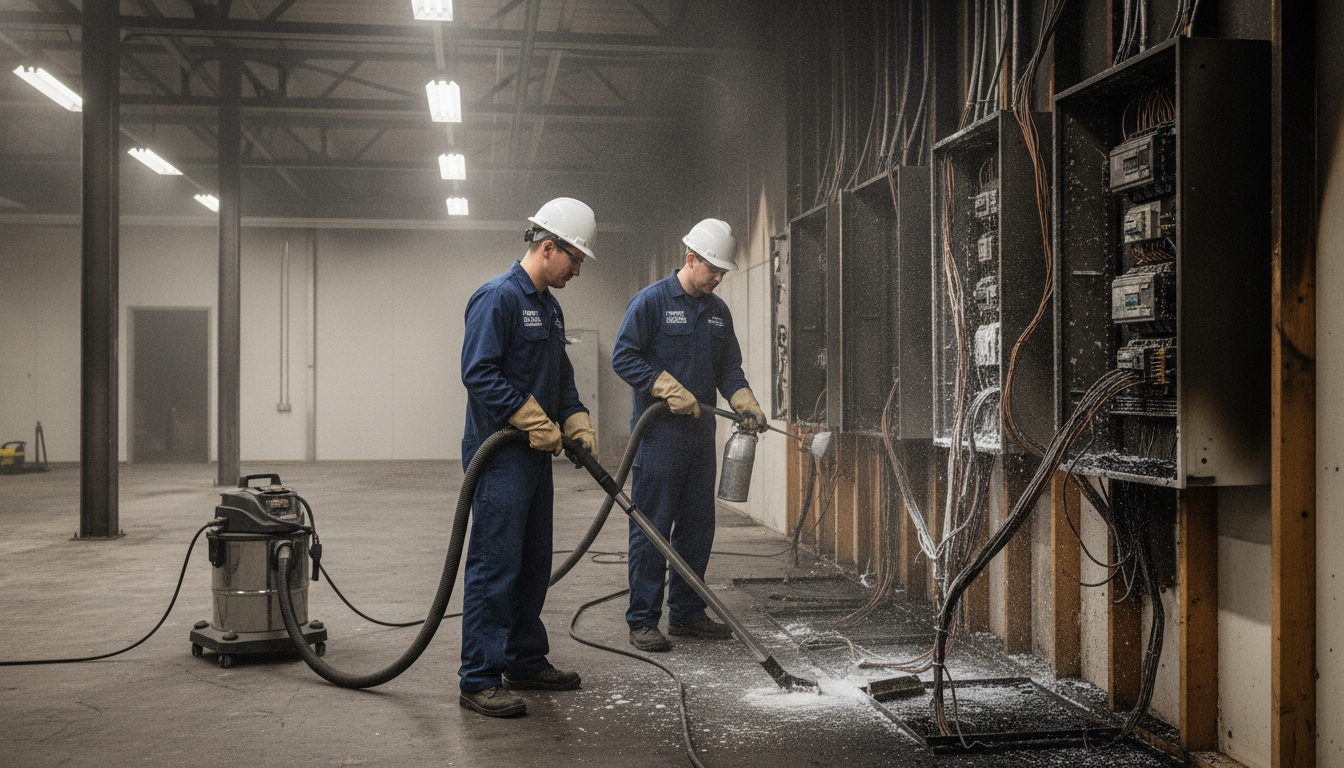
After a blaze, it’s essential to understand how professionals can help restore your home. The aftermath of an electrical fire can leave you feeling overwhelmed. In 2023, residential electrical fires caused over $1.5 billion in property damage. This highlights the importance of seeking expert help for restoration.
Professionals specialize in cleaning up soot and smoke residue. They ensure your home is free from lingering odors that can affect your comfort. Additionally, fire damage restoration teams have the resources to repair structural damage effectively.
If your property has sustained serious damage, specialists can safely remove burnt wiring. They can also upgrade your system to prevent future incidents. Dealing with the aftermath of a fire is stressful, but skilled professionals work efficiently to restore your home.
Comprehensive fire damage cleanup includes securing your property and rebuilding compromised structures. Trusting professionals ensures that every aspect of your home meets modern safety standards.
Conclusion
Understanding the potential dangers in your home can significantly reduce the risk of devastating incidents. Preventing a blaze starts with regular maintenance, such as inspecting your wiring and installing modern safety devices like AFCI breakers.
If a fire does occur, remember to cut the power, use a Class C extinguisher, and evacuate if the situation becomes unmanageable. Never use water on an electrical fire, as it conducts electricity and significantly increases the risk of electrocution and further damage.
Professional restoration services are vital for cleaning up soot, smoke, and structural damage to ensure your home is safe once again. By staying informed and prepared, you can protect your family and property from the devastating impact of residential fires. For more detailed information on managing smoke damage, check out our guide on dealing with property smoke damage.