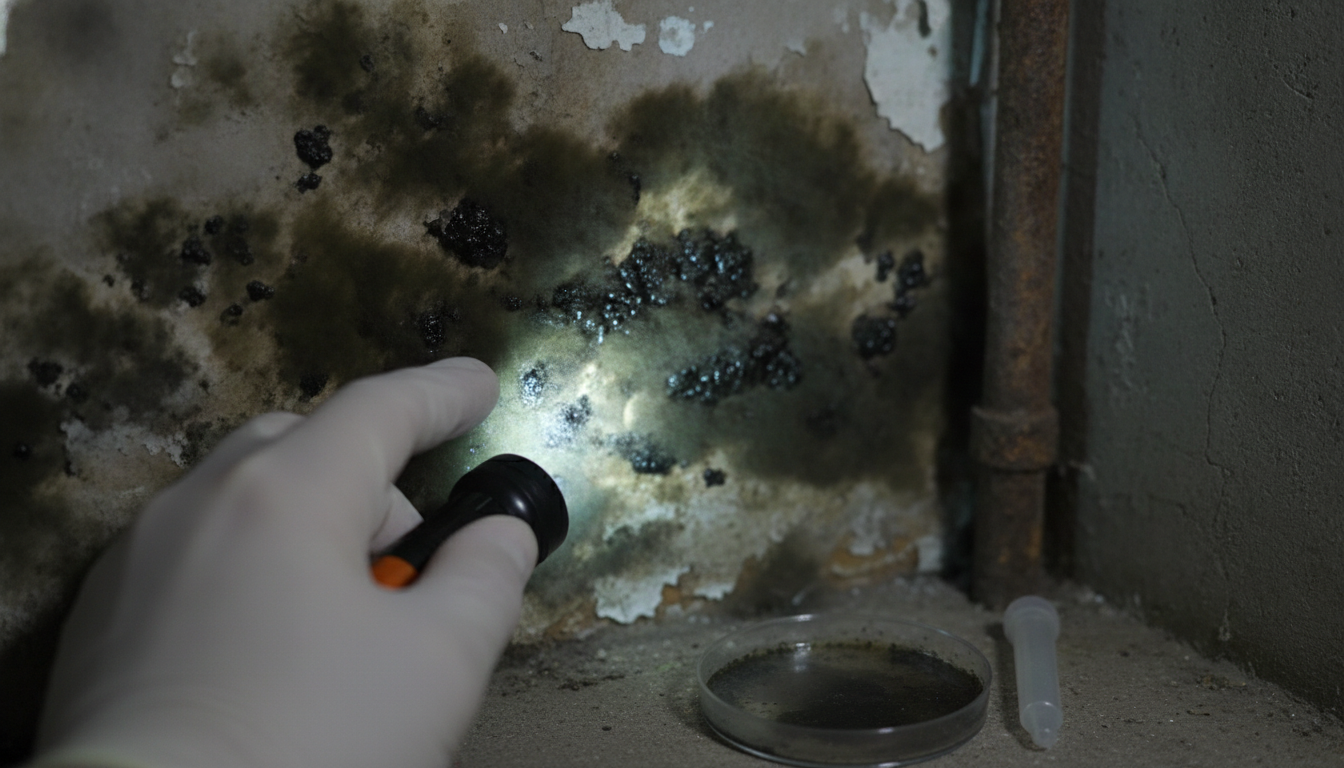
You might be wondering about the risks associated with certain types of fungi as you navigate concerns about air quality and safety in your home. While many people express worry about the presence of this fungus, it’s essential to understand that mold is a common element in our environment. In fact, researchers have identified over 100,000 species of mold in nature.
This guide will explore the potential health risks linked to mold exposure and offer practical advice for keeping your home safe and clean. We will also examine how mold growth can affect your indoor air quality and highlight specific symptoms to watch for in your family members.
Understanding the facts about mold helps you differentiate between typical household issues and situations that may require professional remediation or immediate attention. Stay informed and proactive to ensure a healthier living space.
Key Takeaways
- Mold is a common fungus found in various environments.
- Understanding mold risks is vital for maintaining a safe home.
- Symptoms of mold exposure can affect family health.
- Regular cleaning can help mitigate mold growth.
- Professional help may be needed in severe cases.
Understanding Mold and Black Mold
Understanding the nature of fungi can help you address concerns about air quality in your home. Mold is a type of fungus that thrives in wet places. According to Dr. Andrea Jones, over 100,000 species of fungi have been identified in various environments.
One specific type is Stachybotrys chartarum, commonly referred to as black mold. This organism particularly targets materials high in cellulose, such as paper, wood, and drywall. It requires constant moisture, making it frequently found in water-damaged buildings where humidity levels remain high.
While black mold is a specific type, it is just one of many fungi that can inhabit your home. These organisms reproduce by releasing tiny spores into the air. If conditions are right, these spores can land on various surfaces, leading to potential growth.
| Type of Mold | Common Locations | Growth Conditions |
|---|---|---|
| Mold | Bathrooms, kitchens | High humidity, dampness |
| Black Mold | Water-damaged areas | Constant moisture, cellulose materials |
| Other Fungi | Basements, attics | Varied moisture levels |
The Health Implications of Mold Exposure
Exploring the health impacts of fungi can help you understand the risks they pose to your well-being. Exposure to mold can lead to various health issues, particularly for sensitive individuals.
Dr. Nicholas Nassikas notes that mold exposure can cause inflammation along the respiratory tract. This can lead to symptoms such as:
- Coughing
- Itchy eyes
- Wheezing
For many people, especially those with existing allergies, breathing in mold spores can trigger a histamine reaction similar to other allergens. Research published in the International Journal of Hygiene and Environmental Health shows that childhood exposure to mold increases the risk of developing asthma. Specifically, 11% of children in moldy homes developed asthma, compared to only 7% in non-exposed homes.
If you have a weakened immune system, you may face higher risks for health complications when exposed to indoor mold colonies. Chronic exposure to these spores can lead to persistent health issues, including:
- Wheezing
- Sinus congestion
- Other respiratory discomforts
Is Black Mold Dangerous?
Concerns about the impact of certain fungi on your health can be overwhelming. However, it’s important to understand the nuances surrounding these organisms. Dr. Nicholas Nassikas notes that while black mold has a notorious reputation, it may not be any more harmful than other types of fungi.
Research has not conclusively linked black mold to long-term human disease. Despite some reports suggesting connections to serious conditions like pulmonary hemorrhage, the evidence remains unclear. If you have a compromised immune system, you might face risks such as lung infections, known as mycosis, when exposed to mold.
Interestingly, experts suggest that anxiety surrounding black mold could lead to a nocebo effect. This phenomenon occurs when individuals experience physical symptoms due to their fears rather than actual exposure. Thus, the focus should be on addressing any mold found in your home, as the presence of spores indicates underlying moisture issues.
| Health Risks | Impacted Groups | Recommendations |
|---|---|---|
| Potential lung infections | Individuals with weakened immune systems | Remove mold promptly |
| Respiratory discomfort | Allergy sufferers | Maintain low humidity |
| Nocebo effect symptoms | General population | Stay informed and proactive |
Identifying Mold in Your Home
Recognizing the signs of fungi in your home can help you maintain a healthy living environment. Mold can be tricky to spot, but knowing what to look for is key. Dr. Nicholas Nassikas suggests keeping an eye out for fuzzy, discolored, or slimy patches on surfaces like window moldings and refrigerator seals.
Here are some common indicators of mold presence:
- A distinct musty odor, caused by microbial volatile organic compounds, can fill the air.
- Check hidden areas, such as behind wallpaper, inside ductwork, or under cabinets, if you suspect mold.
- Fuzzy or slimy patches on walls or window moldings signal that mold has established a colony.
- Mold spores are often invisible but can settle in damp areas like basements and bathrooms.
- Since the CDC does not recommend routine testing, visually inspecting your home for moisture is the best approach.
| Signs of Mold | Common Locations | Identification Methods |
|---|---|---|
| Fuzzy patches | Walls, window moldings | Visual inspection |
| Musty odor | Air quality | Smell test |
| Hidden growth | Behind wallpaper, cabinets | Check for moisture |
Causes of Mold Growth in Your Home
Moisture levels play a significant role in determining the likelihood of fungi developing indoors. Dr. Nicholas Nassikas states that the number one cause of mold growth is water damage, often resulting from roof leaks or pipe issues.
Here are some common factors that contribute to mold growth:
- If you see water damage, there is a high probability that mold growth is occurring in that area.
- Maintaining humidity levels between 30% and 50% is essential to prevent the damp conditions that fungi require to thrive.
- Leaking water pipes and pooling water near your home’s foundation can trigger rapid mold spread indoors.
- Using a hygrometer to monitor indoor humidity is a smart move, as levels above 60% create the perfect environment for mold.
- Addressing water leaks immediately is the most effective way to stop the moisture cycle that supports mold colonies.
Effective Home Mold Prevention Tips
A clean and dry home is essential for reducing the risk of fungi taking hold in your living space. The CDC suggests using exhaust fans in kitchens and bathrooms to improve ventilation and keep indoor humidity levels below 50%. Here are some practical tips to help you maintain a mold-free environment:
- Run exhaust fans: Use them during and after showers to prevent excess moisture from accumulating in the bathroom.
- Install outdoor drainpipes: This helps direct water away from your foundation, which is critical in preventing moisture from entering your home.
- Add mold inhibitors: Consider incorporating these into your paint for an extra layer of protection against growth on interior surfaces.
- Inspect for leaks: Regularly check your home for leaks and condensation to fix potential problems before they escalate.
- Maintain ventilation: Keeping humidity levels low and ensuring proper airflow is key to making your living space inhospitable to fungi.
| Prevention Tip | Benefits | Implementation |
|---|---|---|
| Run exhaust fans | Reduces moisture | During and after showers |
| Install drainpipes | Directs water away | At foundation |
| Add mold inhibitors | Protects surfaces | In paint |
How to Safely Remove Mold
Taking action to remove mold is crucial for maintaining a healthy home. When you decide to tackle this issue, it’s important to do so safely. Following the right methods can prevent further mold exposure and protect your health.
DIY Cleaning Methods and When to Use Bleach
The CDC recommends using a solution of one cup of laundry bleach per gallon of water to scrub mold off hard surfaces. This method can be effective for tough stains. However, ensure you use it wisely.
Essential Safety Precautions
When removing mold, you must wear an N-95 mask, gloves, and goggles. This protects you from inhaling airborne mold spores. If the moldy area is smaller than three feet by three feet, you can safely clean it yourself using soap and water.
- Never mix bleach with ammonia, as this creates a harmful gas.
- Dispose of porous materials like carpets or ceiling tiles that have been wet for more than 48 hours.
- Always use plastic sheeting to isolate the area you’re cleaning to prevent spores from spreading.
When to Call in the Professionals
Determining when to seek professional help can be crucial in managing fungi infestations effectively. If you suspect a significant mold issue, it’s essential to assess the extent of the problem.
In many cases, a mold infestation larger than 10 square feet requires expert intervention. Professionals are trained to handle extensive damage that may be hidden inside your walls or other surfaces.
Assessing the Extent of Infestation
To gauge the severity of the situation, look for signs of mold growth, such as:
- Visible patches on walls or ceilings.
- A persistent musty odor.
- Health issues in family members, particularly allergies or respiratory problems.
Finding Certified Mold Remediation Experts
When searching for professionals, consider organizations like the IICRC or ACAC. These groups certify experts in safe and effective remediation methods. Here are some tips:
- Ask potential contractors if they follow EPA guidelines.
- Ensure they have experience dealing with severe mold allergies or compromised immune systems.
- Inquire about their ability to identify hidden leaks or ventilation issues causing recurring growth.
| Criteria | Importance | Action |
|---|---|---|
| Infestation Size | 10+ square feet | Hire professionals |
| Certification | Ensures safe practices | Check credentials |
| Health Risks | Allergy sufferers | Seek expert help |
Conclusion
Addressing mold issues promptly can safeguard your family’s health and well-being. While fears about fungi often arise, it’s essential to understand that all types of mold should be removed from your home without delay.
You can protect your health by controlling moisture, fixing leaks, and ensuring proper ventilation to prevent mold growth. If you notice persistent symptoms like a runny nose or coughing, consult a doctor and inform them about your potential mold exposure.
Remember, the best way to handle mold is to address the underlying water source rather than just cleaning visible patches. By staying vigilant and maintaining a dry environment, you can effectively minimize the risks associated with mold and keep your family safe.