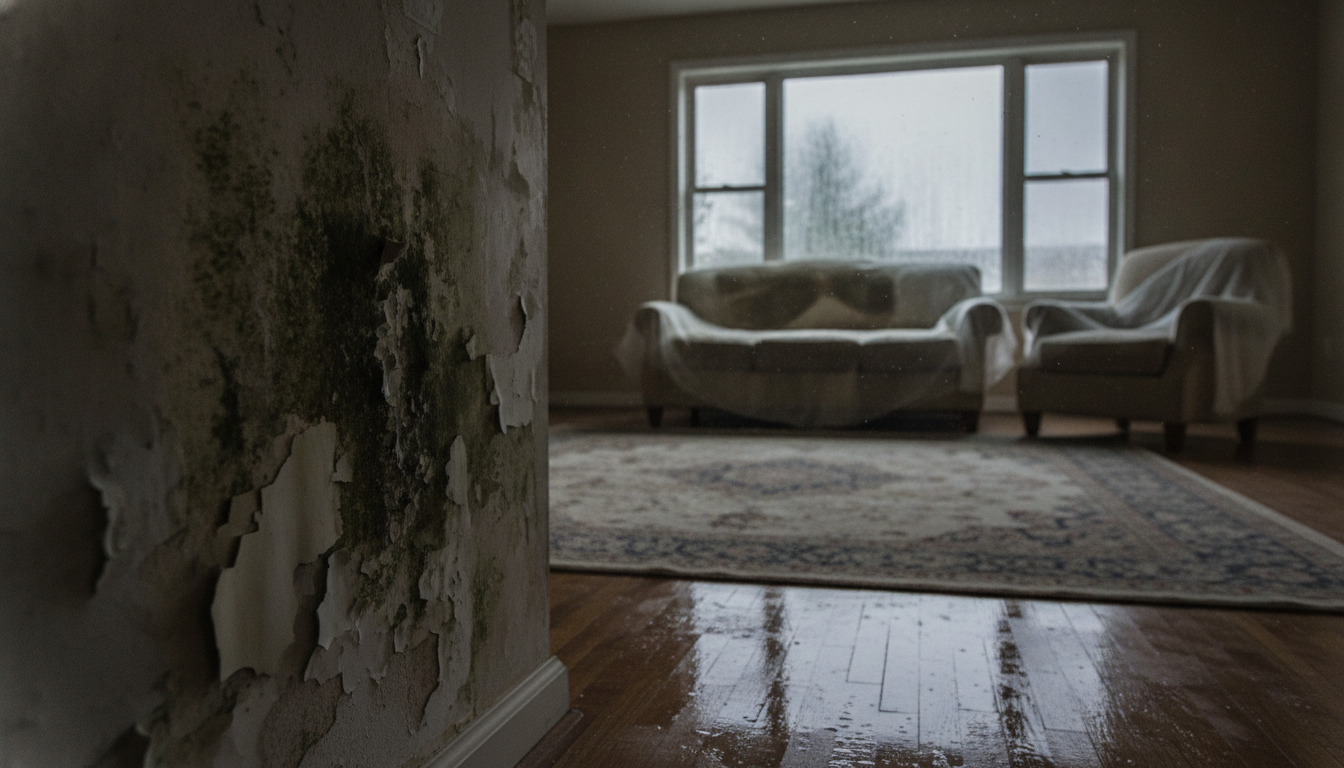
When you notice a small leak or damp spot in your home, it’s easy to think it’s just a minor issue. However, ignoring moisture can lead to serious problems. Over time, even a small amount of moisture can compromise the structural integrity of your valuable property.
This guide will help you understand the serious consequences of neglecting water issues. Moisture spreads quickly through walls and flooring, often faster than most homeowners realize. By taking action early, you can prevent a minor inconvenience from escalating into a costly restoration project.
Understanding the timeline of water issues is crucial. The longer you wait, the more extensive the damage can become. Protect your home by addressing moisture issues promptly. Remember, early intervention can save you from long-term hazards that develop when water is allowed to stagnate.
Key Takeaways
- Small leaks can lead to significant issues if ignored.
- Moisture spreads quickly, affecting structural integrity.
- Early action can prevent costly restoration projects.
- Understanding the timeline of water issues is essential.
- Addressing moisture promptly protects your home.
Introduction to Water Damage and Its Consequences
A small leak in your home may seem harmless at first glance. However, ignoring such issues can expose your living space to significant hazards. These can affect both your physical health and financial stability.
The consequences of neglecting a leak are serious. They include:
- Rapid development of mold.
- Degradation of essential building materials.
- Increased repair costs over time.
Professional restoration experts highlight that water issues are rarely static. They tend to migrate through your home, causing compounding damage. Taking timely action is the most effective way to prevent further issues.
Prioritize identifying the source of any water intrusion. Stopping the cycle of destruction early can save you from extensive repairs later. For a comprehensive guide on managing these issues, check out this step-by-step guide.
What Happens If Water Damage Is Left Untreated?
A minor leak might seem inconsequential, but it can hide much bigger problems. Moisture often becomes trapped within walls, floors, and structural materials long after the initial leak has stopped. This hidden moisture can create a breeding ground for issues that worsen over time.
When untreated, a chain reaction occurs. The moisture weakens the bond between materials, leading to a restoration project that could be far more extensive than you anticipated. You might not see the damage right away, but the moisture behind your walls continues to cause problems daily.
To identify the extent of saturation, professional moisture detection tools are often necessary. Ignoring these signs allows moisture to migrate into adjoining rooms, effectively spreading the damage throughout your entire building structure.
Early Indicators and Warning Signs
Spotting a small leak in your home might make you feel it’s a trivial concern. However, early indicators can reveal serious underlying issues. Being aware of these signs is essential for protecting your home.
Common indicators include:
- Peeling paint or bubbling wallpaper, suggesting water damage behind the surface.
- Persistent musty odors, indicating trapped moisture, even without visible signs.
- Dark spots on ceilings or walls, often the first visible signs of a significant leak.
- Warped flooring or baseboards, which likely means damage to the subfloor and framing.
Identifying these subtle problems early can save you from extensive repairs. Remember, addressing these issues promptly can prevent further complications.
| Indicator | Visible Signs | Potential Problems |
|---|---|---|
| Peeling Paint | Paint bubbles or flakes | Moisture behind walls |
| Musty Odors | Unpleasant smell | Trapped moisture |
| Dark Spots | Stains on ceilings/walls | Leak requiring attention |
| Warped Flooring | Soft or buckled floors | Damage to subfloor |
The Speed at Which Water Damage Spreads
It’s surprising how quickly moisture can infiltrate your home. Within just a few hours of a leak, porous materials like drywall, wood, and insulation start to absorb moisture. This rapid absorption can lead to severe complications if not addressed promptly.
Time plays a critical role in this process. As water seeps into your building, it compromises the structural integrity of essential materials. The longer you wait to begin restoration, the more challenging it becomes to dry and salvage these materials.
As moisture saturates wood framing and subfloors, the damage intensifies with each passing hour. This creates an environment where issues multiply rapidly. Monitoring the changes in your home after a leak is vital. By acting quickly, you can prevent widespread destruction and costly repairs.
| Time Frame | Materials Affected | Potential Damage |
|---|---|---|
| 0-2 Hours | Drywall, Insulation | Initial absorption begins |
| 2-6 Hours | Wood Framing | Structural integrity at risk |
| 6-12 Hours | Subfloors | Increased difficulty in drying |
| 12+ Hours | Multiple surfaces | Extensive damage and mold growth |
Structural Damage: Impact on Home Integrity
A seemingly insignificant leak can create major problems for your home’s integrity. When moisture seeps into your home, it can weaken essential components like wood framing and drywall.
Wood framing absorbs moisture and begins to swell, warp, and weaken. This can compromise the structural integrity of your home, especially in load-bearing areas.
Drywall that remains wet for too long loses its strength, often leading to sagging or crumbling. These issues can escalate quickly, making repairs more complicated and costly.
Foundation issues may also arise when water infiltrates your basement. This can cause soil expansion, which puts dangerous pressure on your home’s concrete foundation walls.
Long-term concerns include subfloor delamination, resulting in floors that feel soft or spongy underfoot. Protecting your home requires immediate action to address these structural issues.
Ignoring these signs can lead to major reconstruction or expensive foundation repairs down the line.
| Component | Effect of Moisture | Potential Issues |
|---|---|---|
| Wood Framing | Swells and warps | Compromised structural integrity |
| Drywall | Crumbles and sags | Increased repair costs |
| Foundation | Soil expansion | Pressure on foundation walls |
| Subfloor | Delamination | Soft or spongy floors |
Mold Growth and Indoor Air Quality Decline
Overlooking moisture in your living space may set the stage for mold to thrive. Mold spores can start growing on wet surfaces within just 24 to 48 hours after a moisture event. The science behind mold growth is simple; it flourishes in damp environments where moisture is present for a short period.
Be aware that mold can develop inside your wall cavities or beneath your flooring. This can significantly impact your home’s indoor air quality. Once established, mold releases spores into the air, which can lead to respiratory issues and worsen allergies for everyone in your home.
High humidity levels often accompany water issues, creating perfect conditions for rapid mold growth on organic materials like carpet backing. Professional mold remediation is often necessary to safely remove these colonies and restore air quality to a healthy standard.
Electrical and HVAC System Risks
Compromised wiring due to moisture can lead to significant safety hazards. When water seeps into your electrical systems, it creates a dangerous situation. It’s crucial to have any affected wiring inspected by a licensed electrician before you use it again.
Consider these important points:
- Water and electricity are a dangerous combination. Always ensure your wiring is inspected if it has been exposed to moisture.
- Compromised wiring can lead to short circuits or electrical fires, which are serious hazards that threaten the safety of your entire home.
- Your HVAC systems are also at risk. Water in the ductwork can carry contaminants and mold spores throughout your living areas.
- Safe HVAC operation is impossible if the equipment has been saturated. Internal components may fail or cause further damage to your home.
- You should never attempt to operate electrical systems that have been in contact with water until a professional has verified they are safe.
Damage to Flooring, Walls, and Other Surfaces
Ignoring minor leaks can lead to severe issues that affect your home’s surfaces. Your flooring is particularly vulnerable to moisture damage. Hardwood floors often experience cupping or buckling when exposed to standing water for extended periods.
Additionally, carpet padding acts like a sponge, soaking up moisture and fostering unpleasant odors that are hard to eliminate. The walls in your home are not exempt; they can show signs of distress through peeling paint and crumbling drywall, indicating that the underlying materials are saturated.
Vinyl flooring is also at risk. When exposed to moisture, vinyl adhesives can lose their bonding strength, causing the flooring to lift and separate from the subfloor. Addressing these surface issues quickly is crucial to prevent further damage to the structural framing hidden behind your walls.
| Surface Type | Effects of Moisture | Potential Problems |
|---|---|---|
| Hardwood | Cupping or buckling | Need for replacement |
| Carpet | Retains moisture | Odor growth |
| Walls | Peeling paint, crumbling | Structural damage |
| Vinyl | Lifting and separation | Increased repair costs |
Financial Impact and Rising Repair Costs
A small plumbing issue can seem like a minor inconvenience, but it may lead to serious financial consequences. The costs associated with moisture problems can escalate quickly. For instance, fixing a small leak might only cost around $200 initially. However, if left unaddressed, it could transform into a $5,000 restoration project.
It’s tempting to consider short-term fixes. Yet, these rarely tackle the underlying moisture issues, which can result in long-term expenses and structural damage. Investing in professional repair services early is often the most cost-effective approach. This can help you avoid extensive demolition later.
Delayed responses can lead to replacing entire sections of flooring, walls, and framing, which significantly increases your total repair costs. Understanding the difference between a quick fix and a proper restoration is essential. This knowledge can save you money and protect your property value.
Preventative Measures and Professional Mitigation
Taking immediate action is crucial when dealing with leaks in your home. You should always stop the source of moisture as soon as possible. This quick response can prevent further issues and costly repairs down the line.
Next, contacting a professional restoration team is essential for a thorough assessment. These experts can identify hidden damage that might threaten your home’s structural integrity. Their knowledge and experience can save you from future headaches.
Professional mitigation is vital because it uses industrial-grade equipment to ensure all building materials are dried to acceptable moisture levels. This thorough approach helps limit the potential for mold growth and other complications.
1-800 WATER DAMAGE offers 24/7 emergency response to help you limit the damage left by moisture. By keeping your property well-maintained and acting quickly during a water event, you can significantly reduce the scope of the required restoration.
| Action | Importance | Outcome |
|---|---|---|
| Stop the source | Prevents further issues | Less costly repairs |
| Contact professionals | Identifies hidden damage | Protects structural integrity |
| Use industrial equipment | Ensures proper drying | Limits mold growth |
| Maintain property | Reduces restoration scope | Increased home value |
The Process of Water Damage Restoration
Even the smallest leak can signal deeper problems lurking in your home. The restoration process begins with a thorough inspection. Professionals use moisture detection tools to find hidden water in your building materials.
Inspection and moisture detection
During the extraction stage, experts remove standing water from your floors and surfaces. This step is vital to prevent the consequences of prolonged exposure to high humidity.
Extraction, drying, and repair stages
Drying is a critical phase where industrial equipment is used to lower humidity levels. This helps remove moisture from your walls, floors, and framing.
After drying, the repair stage addresses any damage to your drywall or other surfaces. You can trust that your property will be returned to its original condition.
Throughout the entire process, the team monitors the areas to ensure the problem is fully resolved. This ongoing monitoring eliminates the risk of future mold growth.
Conclusion
Even a tiny drip can signal larger, hidden problems within your home. You now understand the severe consequences of ignoring moisture issues. Untreated water can lead to mold growth, structural decay, and significantly higher repair costs.
By addressing leaks and moisture immediately, you can prevent damage from spreading into your walls and insulation. Remember, these problems do not resolve on their own. Professional restoration is often necessary to ensure your home remains safe.
If you suspect any issues, contact a professional today. Taking action now can save you from long-term complications caused by moisture.