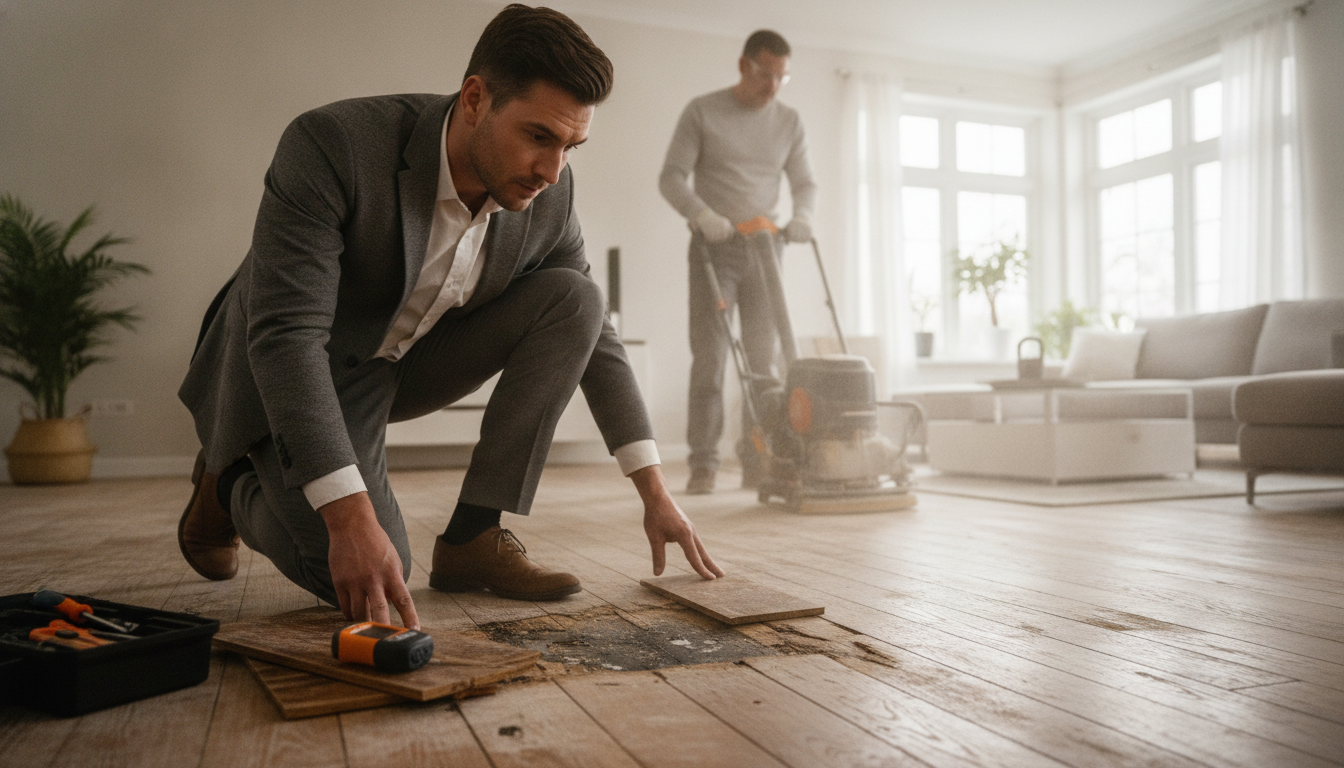
When it comes to your home, addressing water damage swiftly is crucial. If you notice any signs of moisture on your floors, it’s essential to act fast. Delaying action can lead to long-term issues that may compromise your investment.
Technical Director Daniel Elbrecht highlights that understanding how moisture affects your wood is the first step toward effective DIY repairs. Often, minor spills can be managed on your own if you tackle the situation before the liquid seeps into the finish.
To maintain the beauty and longevity of your living spaces, protecting your hardwood from standing water is vital. By following a few simple steps, you can mitigate damage and restore your surfaces without the need for costly professional help. Every homeowner should be aware of how to identify signs of moisture, ensuring their wood remains in excellent condition throughout the seasons.
Key Takeaways
- Immediate action is required to minimize damage.
- Identify and stop the source of water quickly.
- Look for visible signs of moisture and damage.
- Use drying tools to prevent mold growth.
- Document damage for insurance claims.
- Consider professional help for extensive issues.
Understanding Hardwood Floor Water Damage
Understanding the impact of moisture on your surfaces is vital for every homeowner. Water can affect your flooring in three significant ways: the surface finish, the body of the wood boards, and the subfloor. Each area requires attention to ensure the longevity of your investment.
The surface of your hardwood acts as a protective barrier. However, when moisture seeps through this finish, the wood underneath can begin to swell. This can lead to unsightly warping and a need for repair.
It’s essential to inspect the body of your boards. Prolonged exposure to excess moisture can change their shape, compromising the structure. If the fastening system is affected, it may cause your flooring to loosen or buckle, creating uneven areas that are hard to walk on.
Recognizing these types of damage helps you determine whether your flooring can be saved or if a full replacement is necessary. Even small amounts of moisture can lead to significant issues if left untreated, resulting in discoloration or peeling of the protective top coating.
Identifying Signs and Extent of Damage
Being proactive about identifying moisture problems is key to preserving your investment. You can often spot signs of damage by looking closely at your surfaces. One common issue is cupping or rippling between boards, which indicates that moisture has penetrated the wood.
Another effective method is using a digital moisture meter. This professional tool measures the moisture content of your wood, which should ideally be between 5-10%. If you notice dark or discolored areas on your floors, it’s a clear sign that water has seeped into the surface layers.
Soft or spongy spots can also indicate that the subfloor has been compromised by hidden moisture over time. Additionally, listen for squeaky spots or movement when stepping on the flooring; these are common issues caused by loose boards.
Using a moisture meter allows you to accurately assess if the wood is dry enough for repairs. Lastly, look for blistered or peeling finishes, which show that your hardwood has been exposed to excessive moisture for an extended period.
| Indicator | Description | Action |
|---|---|---|
| Cupping | Rippling between boards | Check for moisture |
| Moisture Meter | Measures wood moisture content | Ensure levels are 5-10% |
| Dark Spots | Discoloration on the surface | Inspect for leaks |
| Soft Spots | Spongy areas underfoot | Assess subfloor condition |
| Squeaky Boards | Movement when stepped on | Check for loose boards |
Causes and Sources of Water Damage
Water-related issues can stem from various sources within your home. It’s important to recognize these causes to effectively address potential problems. Many cases of moisture issues originate from common household leaks, like a dripping appliance or a burst pipe in the kitchen.
Waterproof flooring can resist damage for up to 24 hours. However, any standing water beyond that time frame will likely lead to complications. Environmental factors, such as flooding from storms, can also force water into your home, requiring immediate attention to protect your surfaces.
Identifying the source of the water quickly is crucial. Whether it’s a plumbing leak or an external flood, stopping further damage is essential. If water reaches the edges of your flooring, it can travel underneath and soak into the subfloor, which is a common cause of structural issues.
Even if your flooring is labeled as waterproof, large-scale flooding often leads to water seeping through seams. Regularly checking for leaks near appliances helps prevent moisture buildup, ensuring the longevity of your surfaces.
| Source | Description | Impact |
|---|---|---|
| Household Leaks | Dripping appliances or burst pipes | Immediate water exposure |
| Standing Water | Water left unattended for over 24 hours | Potential damage escalation |
| Flooding | Storms causing water entry | Severe structural risk |
| Seam Leakage | Water seeping through flooring seams | Subfloor damage |
| Appliance Checks | Regular inspection for leaks | Prevention of moisture buildup |
Immediate Steps to Stop the Damage
Taking immediate action against leaks is crucial for protecting your investment. The first step after discovering a leak is to shut off the water supply to the appliance or the entire home. This will help stop the flow and prevent further issues.
Next, use towels or a wet/dry vacuum to remove all standing water from the surface of your hardwood floors as quickly as possible. Every moment counts when it comes to minimizing potential damage.
To effectively dry the area, place fans and air movers in the affected space. This critical drying technique helps evaporate moisture from the wood boards. If you suspect a plumbing issue, calling a professional is wise to ensure the source of the water is completely resolved.
Continue to monitor the area for several days, as the drying process for wood can take weeks depending on humidity levels. Remember, removing standing water immediately prevents it from seeping into the seams, which is the most effective way to minimize damage.
Additionally, using a dehumidifier in the room helps pull moisture out of the air, speeding up the drying of your hardwood flooring.
Effective Methods for Repairing Hardwood Floor Water Damage
Repairing your flooring after moisture exposure requires careful attention and the right techniques. Depending on the severity of the issue, there are several methods to consider for effective repairs.
For minor moisture issues, sanding the surface can restore its original look. After sanding, applying a new finish will enhance the appearance of your flooring.
If the damage is more severe, you may need to perform a board replacement. This involves removing warped or buckled sections to ensure a smooth surface.
Addressing subfloor issues is also vital. A wet subfloor can lead to ongoing problems, damaging new wood boards if not resolved. It’s wise to have a professional test the moisture content of the subfloor to determine if it can be dried or needs replacement.
In cases where the subfloor is unstable, simply replacing the top layer of flooring won’t fix the underlying problem. Remember, while sanding and refinishing can tackle minor surface issues, they cannot repair deep structural damage caused by long-term moisture.
Ensuring the subfloor is completely dry before installing new boards is essential for a successful and long-lasting repair.
Preventive Measures to Avoid Future Damage
To maintain the beauty of your surfaces, it’s crucial to implement preventive measures. By taking the right steps, you can protect your investment and ensure that your flooring remains in excellent condition.
Start by keeping your home’s humidity between 35-55%. This range is vital for preventing issues related to moisture.
Applying a high-quality protective finish can help repel spills and make cleanups easier. Additionally, schedule routine maintenance with a professional to catch any potential sources of moisture before they become problems.
Quickly cleaning up spills is essential. This practice prevents moisture from soaking into the wood, which can lead to costly repairs down the line.
Make it a habit to check for leaks near appliances in the kitchen and bathroom. This simple action can safeguard your surfaces from hidden water damage.
Finally, maintaining a stable home environment will help reduce the risk of gaps and cupping in your flooring.
| Preventive Measure | Description | Benefit |
|---|---|---|
| Humidity Control | Maintain levels between 35-55% | Prevents moisture issues |
| Protective Finish | Apply a high-quality finish | Repels spills, easier cleanup |
| Routine Inspections | Schedule professional checks | Identify moisture sources early |
| Spill Management | Clean up spills immediately | Avoid costly repairs |
| Leak Checks | Inspect appliances regularly | Protect from hidden water |
When to Seek Professional Help
Knowing when to call in the experts can save you time and money. While some issues can be handled with DIY methods, certain situations require professional intervention to prevent further complications.
If you notice persistent mold, musty smells, or deep cupping, these are clear indicators of extensive damage. These signs often suggest that the subfloor may also be affected, requiring expert assessment.
Major flooding is another scenario where professional help is essential. A restoration company can ensure the subfloor is dried or replaced correctly, safeguarding your home from future issues.
Expert technicians use advanced tools to measure moisture in hard-to-reach areas, ensuring your entire flooring system is safe. If you see loose boards or uneven surfaces, it’s time to consult a professional.
Professional repair becomes necessary when your own efforts fail to address the signs of water damage. Contacting a specialist like Footprints Floors ensures that your hardwood flooring receives the care and expertise needed for a full recovery.
Conclusion
Your living space deserves the best care, especially when it comes to maintaining its integrity. Addressing water damage early is the most effective way to protect your surfaces and avoid costly replacements. By following the steps outlined in this guide, you can manage minor leaks and prevent moisture from causing long-term structural issues.
Remember, even waterproof options require immediate attention if exposed to standing water for over 24 hours. If the damage feels overwhelming, don’t hesitate to call a professional for a thorough inspection and repair. Keeping your home’s humidity in check and performing routine maintenance will ensure your surfaces remain beautiful for years to come.
Taking proactive care of your floors today is the best way to prevent the stress and expense of major restoration projects in the future.