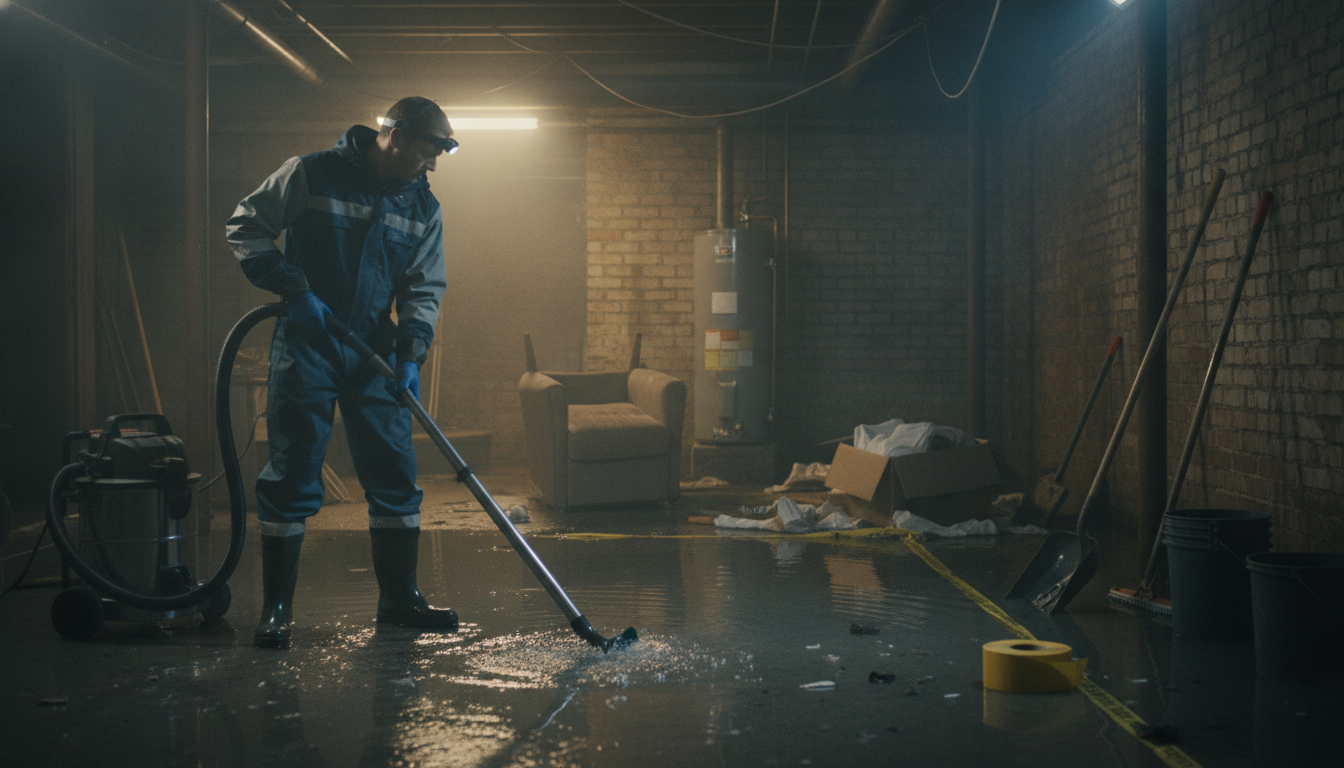
Experiencing a water issue in your home can be overwhelming. When your space encounters a significant water intrusion, it’s crucial to act swiftly. Delaying action can lead to serious structural problems that may compromise your foundation.
According to the AmFam Team’s guidance, safety should always be your first priority before starting any removal tasks. If the volume of water is beyond what you can manage with household tools, professional services become essential. Remember, even a small leak can escalate quickly, transforming a minor issue into a major restoration project in just a few hours.
This guide will provide you with effective steps to manage your space, ensuring you minimize further damage. Proper restoration is vital for maintaining a safe and dry environment for your family. Let’s explore how to navigate the cleanup process efficiently, saving you both time and money during this stressful situation.
Key Takeaways
- Immediate action is essential to prevent long-term damage.
- Prioritize safety before attempting any water removal.
- Professional help is necessary for large volumes of water.
- Water damage can escalate rapidly, requiring quick responses.
- Effective management can reduce further property destruction.
- Restoration ensures a safe living environment for your family.
- Understanding the cleanup process can save you time and money.
Understanding Basement Flooding: Causes and Risks
A sudden surge of water in your home can create panic. Understanding the causes of this issue is essential for effective management. Basement flooding is often a result of various factors, making it a critical area to monitor.
Your basement is the lowest point in your home, making it a natural collection area for water. Common causes include:
- Burst pipes: A sudden pipe failure can lead to significant water flow.
- Malfunctioning appliances: Dishwashers and washing machines can leak, causing problems.
- Heavy rainfall: Severe storms can overwhelm drainage systems.
Inadequate drainage around your home can exacerbate the situation. When dirt and debris clog floor drains, water can accumulate rapidly. Ignoring moisture signs can lead to structural damage, such as rotted sheetrock and weakened support beams.
Addressing plumbing issues promptly is crucial. A small leak can escalate into a major flood, ruining your flooring and creating a hazardous environment. Understanding these risks allows you to identify problems early, preventing extensive damage to your property.
Flooded Basement Cleanup: Essential Steps and Safety Tips
When water invades your home, it can lead to chaos and confusion. Ensuring safety is the top priority before you start the cleanup process. Always confirm that the electricity is turned off at the breaker before entering a flooded area. If you can’t access the circuit breaker, it’s wise to call a licensed electrician to handle it for you.
Standing water near electrical wiring poses a serious risk. Treat every flooded area as hazardous until proven safe. Use battery-operated flood lamps to navigate the space while assessing the extent of the damage. This evaluation is crucial in deciding whether you can manage the cleanup or need professional assistance.
Always wear protective gear when entering a flooded area. This will help you avoid contact with contaminated water or hidden sharp debris. Following proper safety protocols during the initial cleanup phase protects you from electrical shocks and other injuries.
| Safety Tip | Description |
|---|---|
| Turn Off Electricity | Confirm power is off at the breaker before entering. |
| Use Battery-operated Lights | Illuminate the area safely while assessing damage. |
| Wear Protective Gear | Protect yourself from contaminated water and debris. |
| Assess Flood Severity | Determine if you can handle cleanup or need help. |
Immediate Water Removal Strategies
When water seeps into your home, it can lead to a race against time. Quick action is vital to prevent further damage. Start by checking your sump pump to ensure it’s operational. This device is your first line of defense against standing water.
If your sump pump isn’t working, consider renting a gasoline-powered pump from an industrial tool rental company. These pumps are much more effective for large-scale water removal than standard equipment.
Additionally, a wet-dry vacuum is essential for removing puddles in low-lying areas of your space. To speed up the process, use a squeegee to guide water toward floor drains or the vacuum intake.
If your sump pump fails, renting extra pumps may be necessary to keep water levels from rising. Remember, selecting the right equipment is crucial for effective water removal and preventing more damage.
Drying and Dehumidification Techniques
When water infiltrates your home, it can lead to serious challenges. Effective drying and dehumidification are crucial to prevent long-term damage. Implementing the right techniques will ensure that your space dries out quickly and efficiently.
Using fans and dehumidifiers can significantly aid in the drying process. Here are some methods to consider:
Using Fans and Air Circulation Methods
- Fans are highly effective at pushing humid air out of the basement, which is a vital step in the drying process.
- You can rent heavy-duty fans from a local tool rental group to ensure maximum air circulation throughout the entire basement space.
Running Dehumidifiers for Rapid Drying
- Running a dehumidifier is necessary to pull moisture from the air and prevent the growth of mold on your walls and floors.
- If possible, run a hose from your dehumidifier to a drain so you do not have to empty the collected water manually.
- Industrial dehumidifiers from a rental shop can significantly speed up the drying work, saving you days of effort.
- Proper drying techniques are essential to ensure that no hidden moisture remains trapped behind your basement walls or under the floor.
- Consistent air circulation and dehumidification are the keys to a successful cleanup after a major flood event.
| Technique | Description |
|---|---|
| Fans | Push humid air out, aiding in quick drying. |
| Dehumidifiers | Extract moisture from the air, preventing mold growth. |
| Heavy-duty Rentals | Maximize air circulation and efficiency in drying. |
Floor-Specific Drying Guidelines
Water damage can leave you feeling stressed and unsure of where to start. Each type of flooring requires specific care to prevent long-term issues. Let’s explore how to effectively restore your floors after a water intrusion.
Restoring Carpeted Floors
Carpet and padding that have been soaked can develop mold quickly. It’s essential to pull them up immediately to prevent further damage. You may be able to salvage the carpet, but the padding must be replaced to avoid long-term mold issues.
Concrete and Wood Floor Care
For concrete floors, remove standing water by mopping or using a pump. After that, run a dehumidifier to prevent cracking or adhesive failure. Wood floors are particularly vulnerable to warping, so move furniture off the wet area and use a wood-safe cleaner. Remember, it can take up to six weeks for a wood floor to fully dry, so hold off on sanding or refinishing until it is completely dry.
Always use cleaning products that inhibit mold and mildew growth when restoring your floors. Professional steam cleaning after reinstallation adds an extra layer of protection to your restored floor.
Repair, Restoration, and Handling Water Damage
Dealing with water damage in your home can be a daunting experience. Understanding when to call in professionals is key to effective restoration. If the situation involves black water or extensive damage, it’s best to seek expert help.
Most standard insurance policies cover sudden damage, like a burst pipe. However, flooding may not be included unless you have a specific policy. To make the claims process smoother, document the incident with photos and videos.
Roto-Rooter can assist you by working directly with your insurance company throughout the restoration process. Professional services ensure that the affected area is thoroughly dried, sanitized, and repaired by experts.
If your heating system was flooded, remember it must be cleaned by a professional before it is safe to use again.
| Aspect | Details |
|---|---|
| Average Cost | $3,000 – $5,000 for removal and drying |
| When to Call Professionals | In case of black water or extensive damage |
| Insurance Coverage | Standard plans cover sudden damage; flooding often requires specific policies |
| Documentation | Take photos and videos for claims |
Flooded Basement Cleanup Best Practices
Finding water where it shouldn’t be can leave you feeling anxious. Fortunately, there are effective practices to follow for a successful restoration. Roto-Rooter’s team of water cleanup experts is available to handle a flooded basement 24 hours a day, every day of the year.
Once the standing water is removed, always check your walls, windows, and floor drains for signs of where water got in. Removing all waterlogged items from the basement immediately is crucial, as these materials can harbor mold and cause further damage to your home.
Consider using a water leak sensor in flood-prone areas. This can serve as a first line of defense to detect leaks early and alert your phone. Keep your cleanup efforts organized by documenting every step you take to restore your basement to its original condition.
Regular inspections of your basement help you identify potential flood risks before they turn into expensive cleanup projects. Following these best practices ensures that your basement remains a dry and safe part of your home for years to come.
For more information on professional assistance, check out professional flood cleanup services.
Long-Term Maintenance and Prevention Strategies
A well-maintained home can effectively fend off potential water damage threats. Taking proactive steps is essential to ensure your property remains safe from moisture issues.
Sump Pump Maintenance and Testing
Your sump pump is your home’s main defense against water damage. Regular maintenance is crucial to ensure it operates effectively. Here are some key practices:
- Test your sump pump every few months to confirm it’s working properly.
- Clean the sump pit regularly to remove debris that could block the pump.
- Consider a backup power source to keep the pump running during power outages.
Gutter, Downspout, and Drainage Checks
Keeping your gutters and downspouts clear is vital for preventing rainwater from pooling around your house. Follow these tips:
- Clean your gutters and downspouts to avoid blockages.
- Ensure downspouts direct water at least three feet away from the foundation.
- Install clear acrylic covers on window wells to prevent water collection.
- Regrade your lawn to slope away from the house, redirecting rainwater effectively.
Additionally, renters should check with landlords to ensure that sump pump maintenance and gutter cleaning are performed regularly. For greater peace of mind, consider purchasing a separate flood insurance policy through the National Flood Insurance Program (NFIP).
Conclusion
Finding unwanted water in your living space can be quite distressing. However, following the right steps will help you restore your home efficiently. Always prioritize safety by turning off the electricity before starting any water removal work.
Quick action is crucial to prevent mold growth and minimize damage to your belongings. Whether you tackle the cleanup yourself or hire a professional, ensure you have the right equipment for the job.
Maintaining your sump pump and drainage systems is essential to avoid future issues. Additionally, contact your insurance provider early to understand your coverage and protect against potential water damage.
By staying proactive and prepared, you can safeguard your home and maintain a safe environment for your family.