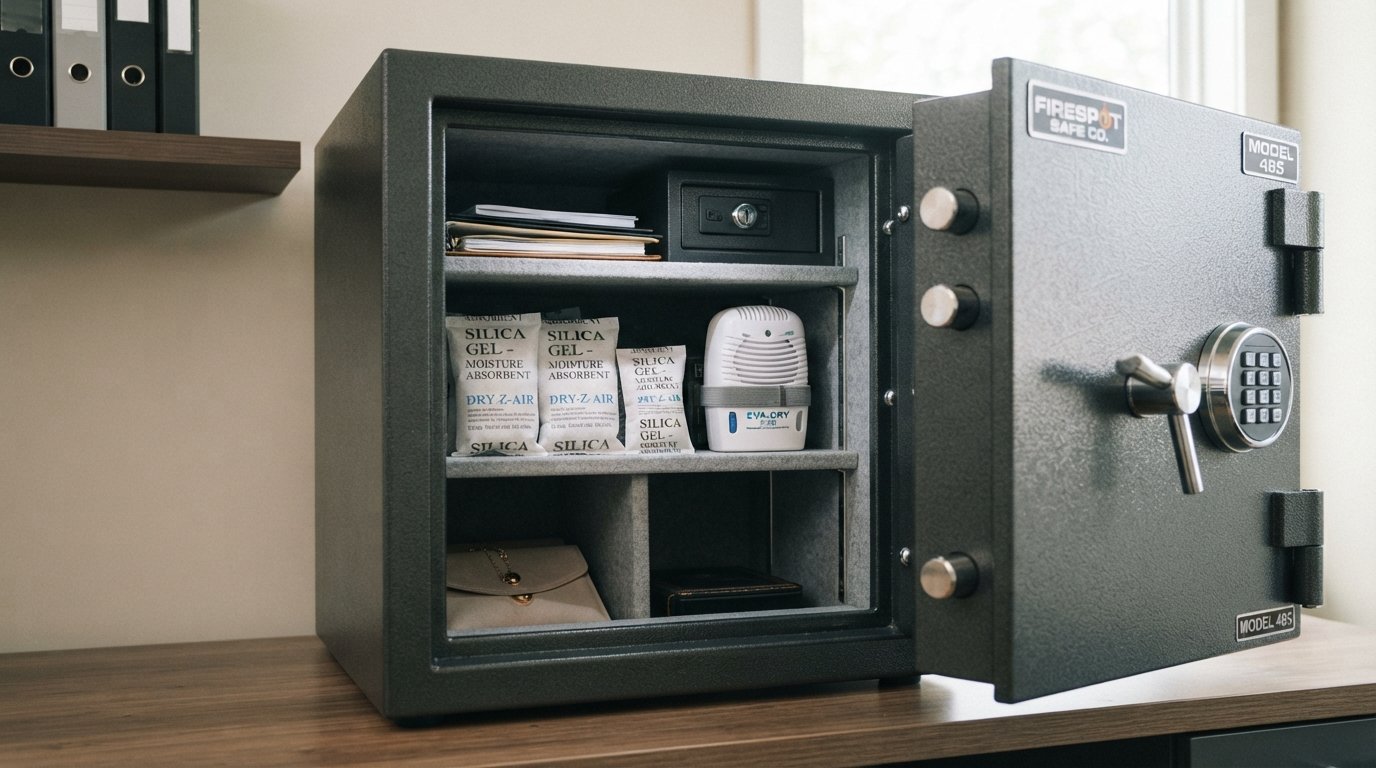
When it comes to protecting your valuables, a fireproof safe is a great choice. However, trapped moisture can create a hidden risk. Even though these safes guard against fire and water damage, humidity can lead to unwanted issues. This article will guide you through understanding how moisture affects your important documents and belongings.
Many items, like paper currency, passports, and photographs, are sensitive to humidity. Did you know that U.S. currency is made of 75% cotton? This means it can absorb moisture easily, making it vital to keep it dry. Additionally, SentrySafe recommends replacing desiccant packets every six months to help manage humidity levels effectively.
In the following sections, you’ll discover practical steps to ensure your valuables remain protected. From safe placement to using airtight containers, these tips will help you maintain a dry environment for your treasured items.
Why moisture and mold can build up in fireproof safes
Moisture can be a silent enemy to your cherished items stored in safes. It can create an environment where mold thrives, especially when certain conditions are met. Understanding these conditions is essential for protecting your valuables.
Dark, airtight safes trap humid air and can lead to condensation on cooler surfaces. This trapped moisture can be particularly damaging. Items like paper documents, photographs, and currency are especially vulnerable. When exposed to dampness, mold spores can grow rapidly, causing deterioration.
For example, U.S. currency, made from 75% cotton, can absorb moisture easily. Once damp, it dries slowly, making it a prime candidate for mildew growth. Additionally, if your safe is located in a basement, the risk of humidity exposure increases significantly.
Prepare your safe and belongings for dry storage
Creating a dry environment for your valuables is essential for their longevity. Proper preparation can significantly reduce the risk of damage from humidity. Here are some important steps to follow:
- Choose a dry area of your home instead of a basement, as high humidity can increase moisture exposure around the safe.
- Inspect the safe’s airtight seal for cracks, gaps, or other defects that could let water or humid air enter.
- If you bring home a new safe during winter, leave its door open for 24 hours so condensation can dissipate.
- Dry every document, photograph, coin, firearm, and personal possession before placing it into long-term storage.
- Keeping both the safe and its contents dry reduces the chance of mildew, surface damage, and future restoration costs.
How to prevent mold in a fireproof safe
To keep your valuables in top condition, managing moisture is key. Here are some effective strategies to help you maintain a dry environment inside your safe.
Use desiccants to absorb moisture inside the safe
Placing desiccants inside your safe can draw humidity from the enclosed space. This helps limit condensation around your stored items. Consider using:
- Silica gel packets
- Baking soda
- Charcoal pouches
- Fresh cat litter
Store documents and delicate items in airtight containers
Seal photographs, jewelry, stamps, and important papers inside airtight plastic containers. This adds another moisture barrier, protecting your items from humidity.
Replace or reactivate desiccants every six months
It’s essential to replace desiccant packets every six months. You can also reactivate suitable packets by heating them in an oven at 245°F for 16 hours. This ensures they continue to absorb moisture effectively.
Additionally, consider using fire-resistant document bags for important items like birth certificates and passports. These bags provide extra protection against heat and water.
Air out your safe and check for early warning signs
Regularly airing out your safe can significantly improve its internal conditions. This simple practice helps reduce humidity and allows trapped moisture to escape. SentrySafe recommends opening the door every two to four weeks and leaving it ajar for a few hours. Another suggestion is to air out the safe for 20 minutes every two weeks.
During each airing, be on the lookout for signs of humidity. Check for musty odors, damp surfaces, and warped papers. These can indicate that moisture levels are too high within your safe. It’s also wise to examine the desiccants and packets during these inspections. Saturated moisture absorbers may no longer protect your stored items effectively.
Here’s a quick checklist to help you remember:
- Open the safe every two to four weeks and leave the door open for a few hours.
- Airing the safe for 20 minutes every two weeks is another effective option.
- Inspect for musty odors, damp walls, or warped papers during each check.
- Examine desiccants and packets to ensure they are still effective.
- Regular airflow helps you catch early signs before moisture can damage your valuables.
| Action | Frequency | Purpose |
|---|---|---|
| Open the door | Every 2-4 weeks | Improve airflow |
| Airing out | 20 minutes every 2 weeks | Reduce humidity |
| Inspect for odors | During each check | Identify moisture issues |
What to do if you find mold inside your safe
If you find unwanted growth inside your safe, immediate action is crucial. Start by removing all belongings and placing them in a dry, well-ventilated area. This allows them to air out completely.
Next, clean the interior of the safe using a bleach-based cleaner. Ensure you dry it thoroughly before returning any items. It’s also important to inspect the seal, hinges, and door for any cracks or damage that might have allowed moisture to enter.
For delicate or irreplaceable documents, consider contacting a professional restoration specialist like Polygon. They can help with valuable items like photographs and passports. Remember, do not attempt to clean moldy currency casually; the U.S. Bureau of Engraving and Printing handles claims for damaged bills through its Mutilated Currency Redemption Division.
Conclusion
Your fireproof safe offers strong protection from fire, but damp storage may still harm valuables. Keep its interior dry, inspect its seal, and store only dry items. Place each document inside an airtight pouch with fresh desiccant.
Every two to four weeks, open the door and let air circulate through your safe. Replace or reactivate desiccant every six months, following maker’s directions. These simple habits lower moisture buildup and limit mold, mildew, and costly damage.
If mold appears, remove contents, dry the interior, and inspect the seal. Contact restoration experts to handle irreplaceable important documents. With steady care, your fireproof safes support long-term storage and dependable protection at home. Small steps make reliable care easier.