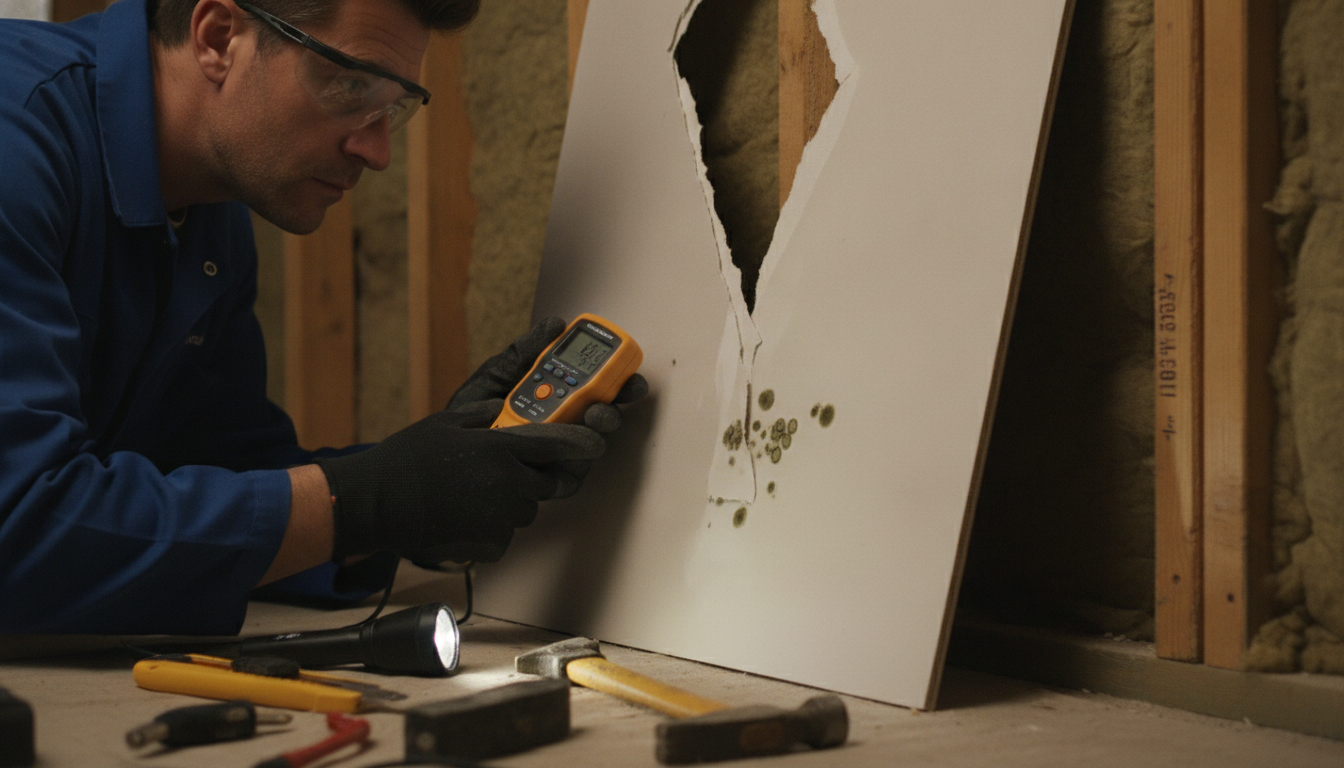
Finding hidden growth in your home can be alarming. It often lurks out of sight until serious damage occurs. If you notice any suspicious patches on your walls, it’s crucial to act quickly. Mold can start developing within just 24-48 hours after moisture exposure.
This guide is designed to help you identify potential issues before they escalate. By learning the essential steps to detect these problems early, you can save yourself from costly repairs down the line. Protecting your family from health risks starts with recognizing the signs of hidden growth.
Whether it’s a minor leak or a significant water event, knowing how to manage the situation is vital. Understanding the difference between surface growth and deeper infestations is key to maintaining a safe living environment. Follow these professional recommendations to confidently tackle the problem and keep your home safe and dry.
Key Takeaways
- Act quickly if you see suspicious patches on your walls.
- Learn to identify the signs of hidden growth early.
- Understand the difference between surface and deep-seated infestations.
- Follow expert recommendations for effective management.
- Protect your family from health risks associated with hidden growth.
Understanding the Risks of Mold Behind Drywall
Hidden dangers lurking in your living space can be concerning. Some species of mold produce mycotoxins, which can lead to headaches, breathing problems, and even neurological damage. It’s essential to understand these risks to protect your family and home.
Structural damage often occurs when moisture intrusion from leaking pipes or roof damage creates an environment where these harmful organisms can thrive. If you ignore these moisture sources, the growth can spread throughout your home, potentially causing serious health problems for your family.
Here are five common causes of moisture that can lead to growth:
- Water at the foundation
- Flooding
- Leaks in roofs
- Leaking pipes
- Poor humidity and ventilation
Persistent moisture issues are the primary reason why growth becomes a recurring problem in many homes across the United States. Addressing the root cause of moisture intrusion is crucial to prevent it from returning after cleanup.
Visual Warning Signs of Hidden Mold
Spotting unexpected changes on your walls can raise concerns. It’s essential to recognize the visual indicators that may signal moisture issues lurking beneath the surface. By staying vigilant, you can address potential problems before they escalate.
Discoloration, Stains, and Bubbling Surfaces
Look for discoloration, water stains, or bubbling wallpaper. These are clear signs that moisture is trapped, often indicating a hidden colony. Peeling wallpaper and bubbling surfaces are common indicators of moisture behind your interior finishes.
Warped Drywall and Peeling Wallpaper Clues
Warped drywall is another significant indicator of moisture problems. If you run your hands along your walls, feel for irregularities or soft spots. Unusual surface abnormalities, like crackling or bubbling paint, can also hint at growth inside your walls.
- If you notice dark grout between bathroom tiles, it may indicate plumbing leaks.
- Visual inspection of your walls is your first line of defense against hidden issues.
- Pay attention to warped areas that feel damp; these often signal a hidden infestation.
Mold Behind Drywall: Understanding the Hidden Danger
Unseen threats in your home can pose serious risks. It’s crucial to recognize how moisture creates a perfect breeding ground for growth. In just twenty-four hours, mold can start to develop in damp areas, especially when it has a food source like drywall or wood framing.
Modern homes are often constructed tightly, which can trap moisture inside. This creates an ideal environment for hidden issues to thrive. You may not notice these problems until symptoms arise. Subtle signs like frequent sneezing or a runny nose could indicate a sneaky issue in your home.
If you find that your cold symptoms worsen after spending time in a specific room, it may be a sign of hidden growth. Feeling fatigued regularly can also be a reaction to constant exposure to mold spores. Early detection is essential to prevent a more significant problem.
| Symptoms | Possible Indicators | Action Required |
|---|---|---|
| Sneezing | Exposure to hidden growth | Investigate and inspect |
| Runny Nose | Potential mold presence | Consider professional help |
| Fatigue | Chronic exposure to spores | Assess indoor air quality |
Using Moisture Detection Tools and Methods
Identifying unseen dampness within your walls is crucial for your home’s health. Various tools can help you detect moisture levels effectively. Using these methods can save you from future problems and costly repairs.
Moisture Meters, Infrared, and Thermal Imaging
Moisture meters are among the most common tools for detecting elevated moisture levels in building materials. Readings above 1-2% may indicate conditions that could lead to growth, while anything above 3% suggests significant problems.
Thermal imaging cameras can also be beneficial. They detect temperature variations that may indicate wet areas behind your walls. This can be particularly useful in areas near plumbing or other moisture sources.
- Take readings at multiple points across wall surfaces.
- Compare suspected problem areas with known dry areas to establish moisture baselines.
- Professional inspections can provide an accurate diagnosis of hidden issues.
Utilizing these detection methods allows you to spot potential issues before they become visible. Remember, keeping areas dry is the best way to prevent future growth.
Recognizing Odor and Air Quality Indicators
Noticing unusual smells in your home can indicate hidden issues. Often, these odors are linked to the presence of harmful organisms. Understanding the types of odors can help you identify potential problems early.
One common sign is the musty smell produced by certain organisms. This odor is often described as earthy or sour, reminiscent of old books or damp basements. If you’ve cleaned up and the smell persists, it could very well be a sign of hidden growth.
Identifying Musty Smells and VOC Emissions
- Odors from mold result from volatile organic compounds (VOCs) released during its metabolic processes.
- Notice if the smell is stronger in specific rooms or near certain walls; this can indicate where the issue lies.
- Persistent odors that resist normal cleaning efforts often signal hidden growth.
- Using air quality monitors can help measure contaminants and identify problem areas in your home.
- Monitoring your indoor air quality is a proactive step to keep your living space free from harmful spores.
DIY vs. Professional Mold Removal Strategies
Dealing with hidden growth in your home can be a daunting task. Understanding when to tackle it yourself and when to call for professional help is essential. If the affected area is small, you might manage the cleanup. However, larger infestations require expert intervention.
The EPA advises that if the area impacted exceeds 10 square feet, it’s best to seek professional mold remediation services. This is crucial to ensure the issue is addressed thoroughly and safely. States like Texas and California have even implemented regulations regarding indoor air quality and mold remediation.
When You Can Tackle It Yourself
- For minor surface issues, you may use household cleaners and protective gear.
- Ensure proper ventilation while working to avoid inhaling spores.
- Be cautious; even small patches can indicate larger hidden problems.
Signs It’s Time to Call a Professional
- If the area exceeds 10 square feet, contact a professional.
- Health concerns or persistent symptoms suggest mold inside your walls.
- Professional services like SERVPRO utilize advanced equipment for thorough removal.
Attempting to remove hidden growth without the right safety gear can worsen your symptoms. Professionals not only remove the visible issues but also address the root cause of moisture that feeds the growth. This ensures your home remains safe and healthy.
| Factors | DIY Approach | Professional Help |
|---|---|---|
| Area Size | Under 10 sq. ft. | Over 10 sq. ft. |
| Health Risks | Minimal | Potential health concerns |
| Equipment | Basic cleaning supplies | Professional-grade tools |
Preventative Measures to Stop Future Mold Growth
Creating a proactive strategy against moisture can safeguard your home from future issues. Keeping humidity levels in check is essential for maintaining a healthy living environment. Aim to keep indoor humidity between 30 and 50 percent. You can achieve this by using an air conditioner or dehumidifier.
Controlling moisture levels is the most effective way to prevent unwanted growth from returning after cleanup. Here are some key tips:
- Run exhaust fans in your bathrooms and kitchen to reduce excess moisture and improve ventilation.
- Regularly inspect your attic and basement for leaks or roof damage to catch moisture issues early.
- Fix leaks promptly to prevent growth from establishing a colony in your home.
- Ensure proper ventilation to maintain balanced moisture levels, circulating air outdoors.
- Dry wet areas quickly after spills or floods to avoid providing the time necessary for growth.
- Conduct regular checks to control the environment and stop future issues before they start.
For more detailed guidance on removing unwanted growth, check out this step-by-step guide.
Health and Safety Considerations During Mold Removal
Prioritizing your health while addressing hidden growth is crucial. Taking the right precautions can significantly reduce your risk of exposure to harmful spores.
When dealing with mold, it’s essential to wear an N95 respirator mask, safety goggles, rubber gloves, and disposable coveralls. This protective gear helps prevent harmful exposure during the removal process.
Managing your health during cleanup is vital, especially if you suffer from allergies, asthma, or other respiratory symptoms. Mold spores can easily become airborne, so using a HEPA vacuum is essential for your safety.
If you have existing health conditions, avoid direct contact with moldy insulation or drywall to minimize your exposure. Protecting your respiratory health is the primary reason for using proper personal protective equipment when working near these areas.
Many household species of mold won’t affect those without breathing issues, but they can aggravate existing asthma symptoms. Always seal off the work area with plastic sheeting to prevent spores from spreading.
Your health is too important to risk. If you feel overwhelmed by the removal process, seek professional assistance immediately.
Conclusion
Uncovering hidden issues in your home can be unsettling. Detecting problems early is essential to prevent extensive damage and health risks. By combining visual inspections with moisture detection, you can stay ahead of potential issues.
Recognizing the signs of hidden growth allows you to protect your family and your living space. Remember, monitoring high-risk areas regularly can significantly reduce the likelihood of developing hidden issues.
Investing in proper detection methods is minor compared to the costs of repairs or health-related expenses. Stay vigilant, trust your instincts, and don’t hesitate to seek professional help when necessary. Your home deserves to be safe and healthy.