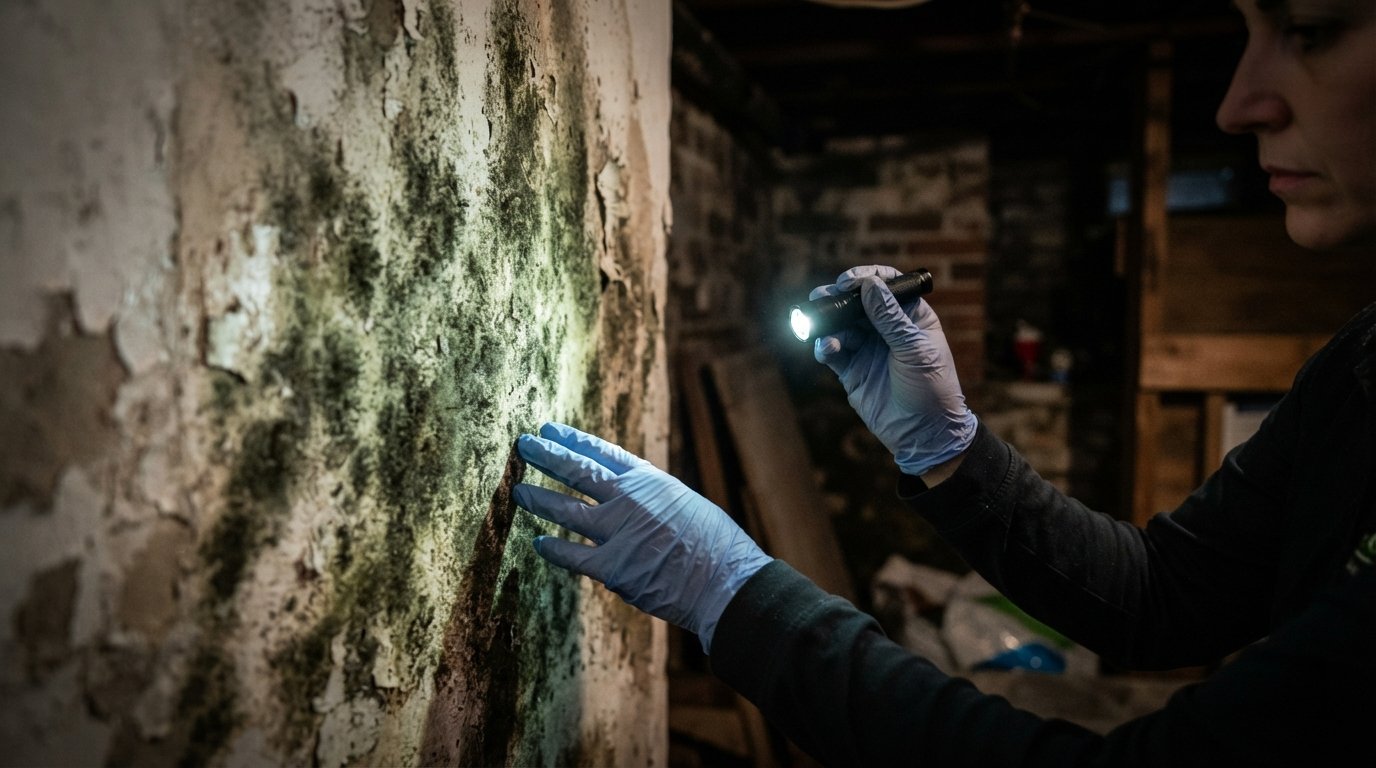
When it comes to health, understanding the effects of exposure to certain substances is crucial. Mold, particularly the dark variety, can lead to reactions that mimic seasonal allergies or respiratory issues. Many people may experience symptoms like sneezing, coughing, and congestion. These reactions can often be confused with typical colds or allergies.
According to the Cleveland Clinic, common responses to exposure include eye irritation and increased asthma symptoms. However, it’s important to note that not everyone reacts the same way. Some individuals may find that their sensitivity is heightened, especially if they already suffer from allergies or asthma.
This section will help you distinguish between ordinary allergy symptoms and more serious warning signs. Understanding these differences is vital for maintaining your health and well-being. We will also explore practical steps you can take, such as seeking medical evaluation, conducting home inspections, and managing moisture levels effectively.
Key Takeaways
- Reactions to mold can resemble allergies or colds.
- Common symptoms include sneezing, coughing, and eye irritation.
- Not everyone is affected the same way by mold exposure.
- Recognizing serious symptoms is essential for health.
- Practical steps include medical evaluation and moisture control.
Black Mold Symptoms: Signs to Watch For
Being informed about how different exposures can affect your well-being is crucial. Common reactions can include itchy eyes, nasal congestion, and even a runny nose. These symptoms may seem familiar, especially during allergy season, but they can also indicate a more serious issue.
Other breathing issues, such as coughing and wheezing, are also worth noting. If you have asthma, these symptoms can become more pronounced with exposure. Breathing difficulties deserve extra attention, particularly if you notice chest tightness or shortness of breath.
Remember, the intensity of these reactions varies from person to person. Factors like personal sensitivity and the level of exposure play significant roles. According to the Cleveland Clinic, symptoms may also include fatigue and headaches, which can further complicate your daily life.
- Itchy eyes or throat, congestion, and sneezing are common reactions.
- Indoor environments, especially damp areas, may exacerbate symptoms.
- Postnasal drip and skin reactions can also occur.
What Is Black Mold?
Knowing about the different types of fungi can safeguard your health and home. Black mold, commonly referred to as Stachybotrys chartarum, is a dark-colored fungus that thrives in specific conditions. This type of mold often grows on cellulose-containing materials like paper, wood, and drywall.
For optimal growth, it requires moisture, oxygen, and temperatures ranging from 40 to 100 degrees Fahrenheit. Understanding these conditions can help you prevent mold growth in your living space.
Interestingly, the Cleveland Clinic notes that black mold is not more dangerous than other types of mold. Reports from the 1990s suggested a link between S. chartarum and infant pulmonary hemorrhage, but this connection was never clearly established.
| Type of Mold | Common Growth Materials | Optimal Conditions |
|---|---|---|
| Stachybotrys chartarum | Paper, Wood, Drywall | Moisture, 40-100°F |
| Aspergillus | Food, Dust | Warm, Humid |
| Penicillium | Water-Damaged Materials | Moist, 60-80°F |
How Mold Exposure May Affect Your Health
Understanding how different elements can impact your health is essential. When you encounter mold, your immune system may react to the spores as if they were harmful invaders. This can lead to symptoms like congestion, coughing, and sneezing. Dr. Nicholas Nassikas from Harvard Medical School notes that mold exposure can cause inflammation anywhere along the respiratory tract.
For those with allergies or asthma, the reactions can be even more pronounced. Mold may worsen these conditions, making respiratory issues more noticeable, especially in indoor environments. If you’re sensitive, you might find that your symptoms intensify over time.
It’s important to differentiate between documented health effects and unsupported claims. The Cleveland Clinic emphasizes that while most fungi are not harmful systemically, sensitive individuals may experience significant allergy or asthma problems.
Who May Be More Sensitive to Mold?
Understanding who is more vulnerable to mold exposure is essential for maintaining health. Certain groups of people may notice stronger reactions after contact with mold spores. Those with existing allergies, asthma, eczema, or sensitive skin are particularly at risk.
A study of over 40,000 U.S. children revealed that nearly 11% of those exposed to household mold had asthma, compared to just 7% without exposure. While this association does not prove that mold causes every asthma case, it highlights the need for careful exposure reduction.
Additionally, a review of 19 studies linked prolonged mold exposure to stress, depression, and anxiety in both adults and children. It’s important to recognize that recurring symptoms deserve medical attention. Not every headache, rash, or fatigue episode can be attributed to mold.
Where Black Mold Grows in Your Home
Identifying where this type of fungus thrives in your home is essential for maintaining a healthy environment. Mold can flourish in areas that are damp or have experienced water damage. Dr. Nicholas Nassikas from Harvard Medical School highlights that water damage is the primary cause of mold growth.
Common locations include:
- Bathrooms
- Basements
- Kitchens
- Window moldings
- Refrigerator door seals
- Air conditioners
- Carpets
- Wallpaper
- Cupboards and walls
Visible growth may appear as fuzzy, discolored, or slimy patches. Additionally, a persistent musty odor can signal hidden mold behind surfaces. Mold often develops when leaks, condensation, or high humidity keep materials damp.
The CDC does not recommend home mold test kits routinely. Instead, focus on visible growth or seek a professional inspection for effective mold removal.
| Common Areas | Signs of Growth | Recommended Actions |
|---|---|---|
| Bathrooms | Visible patches, musty smell | Improve ventilation, clean regularly |
| Basements | Fuzzy spots on walls | Check for leaks, dehumidify |
| Kitchens | Odors near appliances | Seal leaks, clean spills promptly |
How Doctors Diagnose a Mold Allergy
Understanding how healthcare professionals identify allergies can empower you to take control of your health. When you visit an allergist, they will start by reviewing your medical history and asking about your symptoms. This initial conversation is crucial, as it helps them understand your unique situation.
During the evaluation, be prepared to discuss where your symptoms occur. Mention if they improve when you are away from home and if damp areas seem to worsen your reactions. This information can guide your allergist in determining the best course of action.
What to expect during a medical evaluation
Your allergist may perform a physical examination to look for signs of an allergy. Skin testing might be recommended, where a small area of your skin is exposed to specific allergens. Clinicians will monitor your skin for any reactions, which can indicate sensitivity to mold spores.
When skin or blood tests may be recommended
If skin testing is not suitable, blood tests can measure your immune response to mold allergens. These tests provide valuable information, but remember that a positive result doesn’t always confirm hidden mold exposure in your home. Your provider will interpret the results alongside your symptoms for a comprehensive understanding.
For more detailed guidance on managing mold issues, check out this step-by-step guide.
Treatment and Relief for Mold Allergy Symptoms
Understanding how to manage allergy reactions can significantly improve your quality of life. Treatment for allergy symptoms related to mold exposure may include various medications and care options. While a mold allergy cannot be cured, effective management can help you feel better.
Your healthcare provider may suggest:
- Nasal irrigation to clear nasal passages.
- Antihistamines to alleviate sneezing, itching, and watery eyes.
- Nasal corticosteroids to reduce inflammation in the nasal passages.
- Decongestants for relief from congestion.
- Montelukast to help control asthma symptoms.
- Asthma inhalers for those with worsening wheezing or shortness of breath.
- Allergy shots, also known as immunotherapy, to gradually reduce sensitivity.
Environmental management is also key. Removing mold and reducing exposure can significantly help in controlling your allergy symptoms. By focusing on these treatments, you can better manage your health and improve your quality of life.
What to Do if You Find Mold at Home
Recognizing the right steps to take when you discover unwanted growth in your home is essential. If you find patches of mold smaller than three feet by three feet, the CDC recommends you can handle it yourself. However, ensure you wear gloves, goggles, and rubber boots for protection.
Use soap and water or a bleach solution to clean hard surfaces effectively. Remember, porous materials like carpets and drywall may need replacement since they can’t be thoroughly cleaned.
For areas larger than about 10 square feet or those resulting from significant flooding, it’s best to call in professionals. Look for certified companies by organizations like NEHA, AIHA, IICRC, or ACAC. They can help ensure safe and effective mold removal, protecting your health and home.
- Clean small moldy areas with protective gear.
- Use soap or bleach solutions on hard surfaces.
- Replace porous materials that can’t be cleaned.
- Call professionals for larger areas or after flooding.
- Choose certified companies for effective mold removal.
When to Seek Medical Advice for Mold Exposure
Recognizing when to seek help for health concerns related to exposure is vital. You should always discuss any recurring issues with your healthcare provider. This includes symptoms like congestion, sneezing, coughing, wheezing, eye irritation, or rashes.
The Cleveland Clinic advises contacting a healthcare provider when symptoms affect your day-to-day quality of life or remain difficult to control. If you experience trouble breathing, it requires immediate emergency care. This is especially true if you notice asthma symptoms, chest tightness, or severe wheezing.
It’s also important to note that chronic fatigue, brain fog, headaches, and widespread body or joint pain are not typical allergy symptoms. If these symptoms persist despite cleaning, medications, or leaving a damp environment, seek prompt evaluation.
- Discuss recurring congestion, sneezing, coughing, or wheezing with your healthcare provider.
- Seek medical advice when symptoms affect your daily life or are hard to manage.
- Trouble breathing requires emergency care, especially with asthma symptoms.
- Chronic fatigue and widespread pain are not typical allergy symptoms.
- Get evaluated if symptoms continue despite cleaning or medication.
How to Prevent Mold Growth and Reduce Exposure
Taking proactive steps to prevent unwanted growth in your home is essential for your health. By managing humidity levels and addressing leaks quickly, you can significantly reduce the chances of mold development. The ideal indoor humidity should be maintained between 30% and 50%. This range creates conditions that are less favorable for mold spores to thrive.
In addition to controlling humidity, using exhaust fans in bathrooms and kitchens is crucial. These fans help remove excess moisture from the air, especially during activities like showering and cooking. Regularly inspecting areas prone to dampness can also help catch potential issues before they escalate.
Control humidity, use exhaust fans, and fix leaks promptly
- Keep indoor humidity between 30% and 50% using a hygrometer.
- Repair plumbing, roof, wall, and foundation leaks promptly.
- Run exhaust fans while showering and cooking, and vent clothes dryers outdoors.
Dry or replace water-damaged materials
When materials like carpets, drywall, or ceiling tiles become wet, they should be dried or replaced if they cannot be restored. Wet items can become breeding grounds for mold. Regular inspections of HVAC systems and other damp areas can prevent mold spores from accumulating.
| Action | Description | Frequency |
|---|---|---|
| Humidity Control | Maintain levels between 30%-50% using a hygrometer. | Regularly check |
| Leak Repairs | Fix plumbing and structural leaks immediately. | As needed |
| Exhaust Fans | Use in kitchens and bathrooms to reduce moisture. | During use |
| Material Replacement | Replace water-damaged carpets and drywall. | As needed |
Conclusion
Black mold is a fungus often linked to Stachybotrys chartarum, but the Cleveland Clinic says it is not more dangerous than other types. Common reactions include sneezing, congestion, itchy eyes, coughing, wheezing, or trouble breathing. People with allergies or asthma may be more sensitive to spores.
At home, lower humidity, fix leaks, dry wet materials, improve airflow, and remove damaged items safely. These steps can limit exposure and support better health.
If symptoms persist, a clinician or allergist can assess your health, consider skin or blood tests, and discuss medicine or immunotherapy for a mold allergy. Get emergency care for trouble breathing. Seek timely care for ongoing or disruptive allergy symptoms, too. Trust proven guidance, not detox products or broad claims about a toxic mold syndrome.