What You’ll Need Before You Start
Before you make a single call, get these items together. It’ll save you hours later — and honestly, most Brooklyn homeowners forget half this list in the panic of the first 24 hours.
- Photos and video of every room, taken before anyone touches or cleans anything
- Your insurance policy number and the claims phone line
- A copy of the fire department incident report (request it if you don’t have it yet)
- A list of damaged or destroyed belongings, room by room, even a rough one
- Contact info for a licensed, IICRC-certified fire restoration company — not just a cleaning crew
- Tarps or plywood on hand if the fire department hasn’t already boarded openings
- A place to stay for at least a few days, sometimes weeks depending on scope
- Patience for a walkthrough that can run 45–90 minutes for a full inspection
As for time: a minor kitchen fire with remediation only might wrap in 3-7 days. A structural fire needing full restoration? Realistically, 6- 12 weeks, sometimes longer if rebuilds involve permits. No special skills required on your end — just organization — someone who’ll pick up the phone at 2 a.m. if needed.
A pot of oil catches, the smoke alarm screams, and twenty minutes later your kitchen looks like a war zone — but the rest of the house? Still standing, still yours, just covered in that greasy soot smell that won’t quit. That’s the moment most Brooklyn homeowners get confused about what they actually need: a cleaning crew, or a full fire damage restoration service.
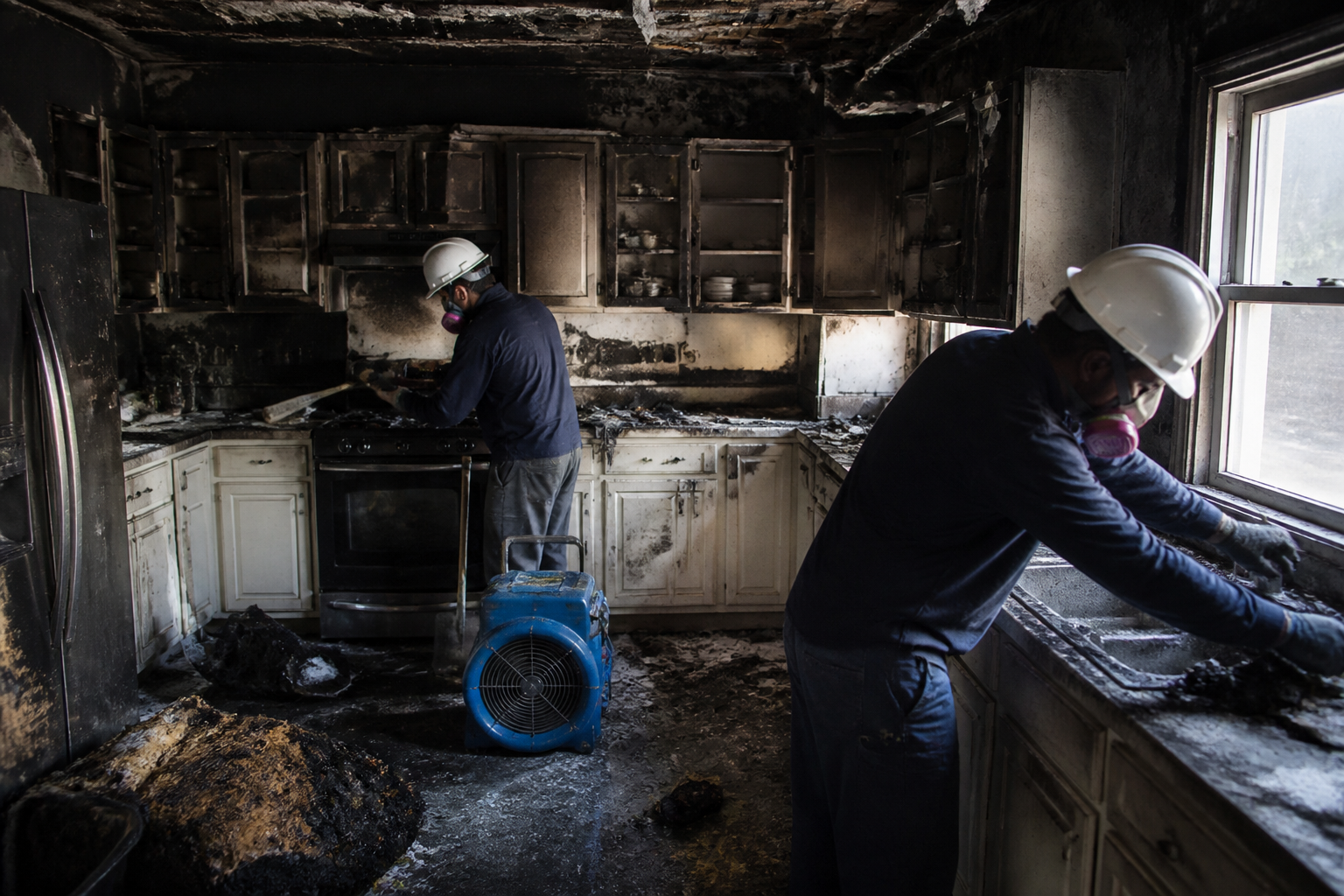
Here’s the honest answer. Those two things are not the same, and mixing them up costs people money and time they don’t have. Remediation handles the surface-level mess — soot on the walls, smoke odor in the fabric, ash tracked through the hallway. Restoration is the bigger job: structural repairs, rebuilding a wall, replacing wiring that got compromised by heat, packing out and cleaning everything you own. A brownstone in Park Slope with smoke damage on one floor needs a very different scope than a two-family home in Bensonhurst where the fire ate through a load-bearing wall.
In practice, insurance adjusters and even some contractors blur this line on purpose or by accident, and that’s exactly why so many Brooklyn homeowners end up underinsured or under-restored six months after a fire. What looks like a simple cleanup can be hiding smoke damage inside your HVAC ducts. What looks like a total loss might only need targeted remediation and a fresh coat of paint.
Realistically, you need a way to tell the difference before you sign anything or let a crew start work.
What You’ll Learn and What You Need Before You Start
Picture this: a grease fire in a Park Slope kitchen scorches the cabinets, and by the time the smoke clears, the homeowner is staring at soot on the ceiling, a burnt smell in every closet, and no idea what happens next. That’s the exact moment most Brooklyn homeowners realize they don’t know the difference between cleaning up smoke and rebuilding a wall. This section fixes that.
Who This Guide Is For
This is written for homeowners in Brooklyn, Queens, and surrounding boroughs who just had a kitchen or house fire and need to know what work actually needs a licensed crew versus what’s just cleanup.
Quick Terms: Remediation vs. Restoration in Plain English
Remediation means removing soot, smoke residue, and odor. Restoration means rebuilding — drywall, cabinets, flooring, structure. A full fire damage restoration service covers both.
What to Have Ready Before You Call Anyone
- Photos of every damaged room
- Insurance policy number
- A list of what’s structurally unsafe
Once you’ve got that, calling a crew that offers Brooklyn fire damage restoration gets you a faster, more accurate assessment.
Step 1: Confirm the Property Is Safe to Approach
Don’t walk back into a burned house just because the flames are out. Fire crews may clear the scene, but that doesn’t mean the structure is sound — floors weaken, walls shift, and electrical systems can still be live. Before anyone touches soot or starts pulling out ruined furniture, a real assessment has to happen. This is where a fire damage restoration service earns its keep, checking things a homeowner simply can’t judge from the doorway.
Signs the Structure Isn’t Stable
Watch for sagging ceilings, warped door frames, cracked support beams, or a lingering smell of gas. Charred floor joists in a basement or attic are a hard no — stay out until an inspector says otherwise.
Why Brooklyn Row Houses and Multi-Unit Buildings Need Extra Caution
Attached row houses in neighborhoods like Bay Ridge or Park Slope share walls and sometimes roof lines, so fire and water damage can travel next door without anyone noticing right away. Multi-unit buildings add shared electrical and plumbing systems into the mix, which is exactly why experienced fire restoration cleaning companies check adjoining units, not just the one that burned.
When to Call the Fire Department Back
If you smell smoke again, hear popping in the walls, or see new smoke, call 911 immediately. Don’t assume it’s leftover residue.
Step 2: Understand What Remediation Actually Covers
So what does remediation actually get rid of, and what does it leave behind? Remediation is the cleanup phase — it stops active damage and clears out the hazards. It’s not the same as putting your kitchen back together after a grease fire tore through the cabinets.
Soot and Smoke Residue Cleaning
Crews wipe down walls, ceilings, and surfaces coated in soot, using dry sponges and chemical cleaners depending on the residue type. Protein residue from a stovetop fire behaves differently than the thick, oily soot from burning plastics or wiring. Getting this step wrong means staining sets into your drywall for good.
Odor Neutralization Basics
Smoke odor isn’t just a smell sitting on top of things — it’s embedded in porous materials like insulation, carpet padding, and wood framing. Technicians use thermal foggers, ozone treatment, or hydroxyl generators to break down odor molecules rather than mask them. In Brooklyn brownstones with old plaster walls, this step often takes longer than homeowners expect.
What Remediation Does Not Fix
Remediation won’t rebuild a charred wall, replace ruined flooring, or repair electrical damage. That’s where a full fire damage restoration & recovery services team steps in — handling structural repairs, insurance documentation, and the full rebuild your home actually needs.
Step 3: Understand What Full Fire Damage Restoration Covers
Here’s a number that surprises most Brooklyn homeowners: nearly 70% of fire-damaged properties need some level of structural rework before they’re safe to live in again. That’s the gap between remediation and a true commercial fire restoration job — one stops the bleeding, the other rebuilds the whole picture.
Structural Repairs and Rebuilds
Burned joists, scorched drywall, compromised roof decking — none of that gets fixed by cleaning alone. Full restoration means framing repairs, subfloor replacement, and sometimes a full rebuild of a kitchen or attic space damaged by fire.
Packout and Contents Restoration
Furniture, electronics, clothing, keepsakes. A real restoration crew inventories everything, packs it out, and cleans or restores each item off-site before bringing it back.
Electrical, Plumbing, and Code Compliance Checks
Brooklyn brownstones and multi-family buildings answer to NYC building code, not just insurance requirements. That means licensed electrical and plumbing inspections before anything gets closed back up — skip this step, and you’re inviting a failed inspection later.
Step 4: Get a Damage Assessment From a Licensed Fire Restoration Company
Here’s a myth worth killing: a quick walk-through with a flashlight and a business card is not an inspection. Most Brooklyn homeowners assume any contractor who shows up can scope a fire loss correctly. They can’t. A real assessment takes measurements, moisture readings, and photo documentation — not guesses.
What an IICRC-Certified Inspection Should Include
A proper inspection covers soot penetration testing, HVAC contamination checks, structural moisture readings (fire hoses leave water behind, too), and a written scope broken down by room. If you’re comparing a fire removal service against a full restoration company, this document is where the difference becomes obvious.
Questions to Ask During the Walkthrough
- Will you test for hidden soot behind walls and in ductwork?
- What’s included in the written estimate versus verbal promises?
- Do you handle both cleaning and structural rebuild, or just one?
- What’s your typical timeline for a kitchen fire this size?
Red Flags That a Company Is Underselling the Scope
Watch for vague estimates, no moisture readings, and reluctance to inspect attic or crawl spaces. If they can’t explain their process step by step, walk away.
Step 5: Match the Damage Level to the Right Service
A Bensonhurst homeowner’s grease fire scorches the stovetop and cabinets, then stops. A Sheepshead Bay row house fire, on the other hand, tears through two floors and the roof deck. Same word — fire — completely different job. Here’s how to sort it out.
Minor Kitchen Fire: Usually Remediation Only
If flames stayed contained to the stove or cabinets and the rest of the house is intact, you’re likely looking at fire remediation: soot wipe-down, appliance cleaning, and odor treatment. Most Brooklyn kitchen fire jobs like this wrap up in 3-5 days. Get an assessment through fire remediation services before assuming it’s minor, though — soot travels through HVAC ducts fast.
Multi-Room or Structural Fire: Usually Full Restoration
Once flames breach walls, ceilings, or a second floor, you need a full fire damage restoration service — structural repairs, framing replacement, and possibly a full rebuild. Expect weeks, not days, especially in older Brooklyn brownstones with plaster walls and shared party walls between units.
Smoke-Only Damage With No Flame Contact
No flames touched your unit, but smoke seeped in from a neighbor’s fire? That’s still real damage. Soot residue—lingering odor —needs professional cleaning even without structural repair work.
Step 6: Board Up and Protect the Property Immediately
A gutted window or a hole in the roof is an open invitation — to weather, to pests, to anyone walking down the block who notices the place is empty. Boarding up isn’t optional. It’s the difference between a contained loss and a second disaster stacked on top of the first.
Emergency Board-Up and Tarping in Brooklyn Weather
Brooklyn summers bring sudden thunderstorms — a burned-out roof with no tarp will let water pour straight into rooms that survived the fire untouched. Crews handling fire water and mold restoration services treat board-up and tarping as an emergency step, not something scheduled for next week. Plywood over windows, tarps over roof gaps — done within hours, not days.
Protecting Against Vandalism and Theft After a Fire
A visibly damaged row house in Bay Ridge or Bushwick draws attention fast. Open access means stolen appliances, stripped copper, or squatters. Board-up closes that door — literally.
Why This Step Can’t Wait Until Insurance Approves Work
Adjusters take days, sometimes weeks. Rain doesn’t wait, and neither should you. Most policies actually require homeowners to prevent further damage, so boarding up protects both the structure and the claim itself.
Step 7: Work With Your Insurance Adjuster the Right Way
Ever wonder why two homeowners with the same fire damage end up with wildly different payouts? It usually comes down to documentation and who’s talking to the adjuster.
Documentation You’ll Need for Your Claim
Photograph everything before cleanup starts — every room, every scorched wall, every ruined appliance. Keep receipts for hotel stays, food, and any temporary repairs. Get a written scope of damage from whoever handles your restoration, not just a verbal walkthrough.
How a Restoration Company Can Coordinate Directly With Adjusters
A Brooklyn crew that’s done this hundreds of times knows what adjusters look for. Dual Restoration meets adjusters on-site, provides moisture readings, soot mapping, and structural notes that back up the claim line by line. That’s the difference between a rushed estimate and one that actually covers what’s needed. For Brooklyn homeowners weighing options, it helps to work with the best fire damage repair company from day one.
Common Reasons Claims Get Delayed or Underpaid
Missing photos. Vague scopes. No moisture readings behind drywall. Adjusters flag anything that looks incomplete — and incomplete paperwork means a slower check, or a smaller one.
Step 8: Follow the Fire Restoration Process Step by Step
About 60% of Brooklyn fire jobs involve firefighter hose water soaking through floors and drywall before crews ever touch soot. That number surprises most homeowners. It shouldn’t — a full best fire damage restoration service treats water intrusion as step one, not an afterthought.
Mitigation and Water Removal (If Firefighting Water Was Used)
Crews pull standing water first, then set up air movers and dehumidifiers. In a two-story brownstone, that’s often 48 to 72 hours running before drying is confirmed with moisture meters. Skip this, and mold shows up in three weeks. Guaranteed.
Soot, Smoke, and Odor Removal
Next comes soot removal from walls, ceilings, and contents — dry sponging first, wet cleaning where needed. Odor gets tackled with thermal fogging or hydroxyl generators, not just air freshener sprays that mask the smell temporarily.
Structural Repair and Rebuild Timeline
A kitchen fire in a Bay Ridge rowhouse might take 3-4 weeks for drywall, cabinets, and flooring. Larger structural fires can run 2-3 months. Ask for a written timeline before work starts.
Step 9: Know the Realistic Cost and Timeline for Your Situation
Here’s a myth worth killing: bigger flames don’t always mean bigger bills. A small kitchen fire with heavy soot can cost more to fix than a contained bedroom fire, because smoke travels through HVAC ducts and settles into fabric, drywall, and cabinetry far from where it started.
What Affects Fire Restoration Cost
Cost depends on square footage affected, how deep soot penetrated, whether structural repairs are needed, and how much odor treatment the space requires. Brownstones in Park Slope with older plaster walls often need more labor than newer Bay Ridge condos with drywall.
How Long Restoration Typically Takes for Brooklyn Homes
Remediation alone might wrap in 3-5 days. Full restoration — with rebuilds, repainting, and odor sealing — usually runs 2-6 weeks depending on permits and material availability. Tight brownstone lots can slow things down further.
When Insurance Covers Full Restoration vs. Remediation Only
Insurers typically cover remediation quickly since it prevents further loss, but full restoration approval often hinges on adjuster documentation. Homeowners handling commercial spaces should also review smoke damage restoration and odor removal in Manhattan for comparable claim patterns.
Common Mistakes Homeowners Make After a House Fire
A Bay Ridge homeowner once called a general cleaning crew the morning after a kitchen fire, figuring soot was just dirt. Three weeks later, a musty smell crept up from the subfloor. That’s the pattern we see over — over — small mistakes made in the first 48 hours that turn into bigger repairs down the line.
Hiring a Cleaning Crew Instead of a Licensed Restoration Company
Regular cleaners don’t carry IICRC certification, and they won’t test for hidden moisture behind drywall. A real fire damage restoration service brings moisture meters, thermal cameras, and a documented process insurers actually recognize.
Skipping the Moisture and Smoke Inspection
Skip this step, and you’re guessing. Soot is acidic — left untreated, it pits metal and etches glass within days. An inspection tells you exactly which materials need replacing versus cleaning.
Waiting Too Long to Call for Board-Up Service
Open windows and burned-out doors invite rain, pests, and break-ins across Brooklyn’s older row houses. Recent fire restoration company workflow improvements now prioritize board-up within hours, not days, to stop secondary damage before it starts.
How to Verify the Job Was Done Right and Get Back Into Your Home
Don’t sign off on anything until you’ve checked the work yourself. A finished job should smell clean, look clean, and pass your own gut check — not just the contractor’s clipboard.
Final Walkthrough Checklist
Walk every room with the crew. Check closets, HVAC vents — behind appliances. Ask for photos of pre- and post-cleaning conditions, and get a written scope showing what was remediated versus fully restored.
- Test light switches and outlets near the fire zone
- Open cabinets and drawers for trapped soot
- Run the HVAC system and smell the airflow
Signs of Lingering Odor or Hidden Soot
Smell it in the morning before coffee — your nose is sharper then. A faint campfire smell in carpets, drywall, or attic insulation usually means soot particles are still trapped somewhere. Chicago and Brooklyn brownstones with old plaster walls hide residue especially well.
When to Call Dual Restoration for a Second Opinion in Brooklyn, NY
If something feels off, don’t wait.
Dual Restoration offers fire and smoke remediation reviews for homeowners across Brooklyn who suspect a rushed job, and they’ll tell you straight whether it needs more work.
How-To FAQ
How much does it cost to repair fire damage?
Most Brooklyn homeowners land somewhere between a few thousand dollars for a contained kitchen fire and well over six figures for a structural fire that took out multiple rooms. The real number depends on square footage affected, whether firefighting water soaked the subfloor, and how much smoke traveled through the HVAC system. Get a written scope from a licensed fire restoration company before you assume anything — verbal quotes over the phone aren’t worth much.
How do you actually restore fire damage in a house?
You start with a safety check, then move into remediation (soot, smoke, and odor removal) before tackling structural rebuild if walls, framing, or flooring were damaged. It’s not one job — it’s a sequence. Skip a step, like the moisture inspection, and you’ll be dealing with mold in a month.
How long does fire damage restoration take?
A minor kitchen fire with remediation only can wrap up in 3 to 7 days. A full restoration involving structural repairs, packout, and rebuild often runs 4 to 12 weeks, sometimes longer for row houses with shared walls in neighborhoods like Park Slope or Bay Ridge. Timelines stretch further when insurance approval gets delayed.
What’s the actual difference between remediation and restoration?
Remediation cleans up the damage — soot, smoke residue, odor. Restoration rebuilds what’s gone — drywall, flooring, electrical, sometimes entire rooms. Think of remediation as the cleanup crew and restoration as the construction crew; a full-service company does both under one roof so you’re not managing two separate vendors.
Is it safe to clean smoke damage myself?
No, not beyond wiping down a few surfaces with light soot. Smoke residue is acidic and can etch metal, discolor grout, and irritate lungs, especially in an older Brooklyn brownstone with lead paint or asbestos hiding under layers of renovation. Leave anything past surface-level soot to a licensed crew with the right protective gear.
Do I need board-up service right away, even before insurance approves anything?
Yes — waiting for adjuster sign-off before boarding up broken windows or a damaged roof is a mistake. Rain, wind, or an opportunistic break-in can add a second layer of damage that complicates your claim. Emergency board-up and tarping should happen within hours, not days, especially heading into a Brooklyn storm season.
A scorched kitchen and a gutted second floor are not the same emergency, and treating them the same way is how homeowners end up paying twice. Remediation handles soot, residue, and odor. A full fire damage restoration service steps in when framing, wiring, or plumbing took a hit — and it takes a trained eye to know which one a Brooklyn brownstone or multi-family building actually needs. That’s not a call to make alone at 2 a.m. with smoke still hanging in the hallway.
Getting the scope right the first time protects the insurance claim, the timeline, and — frankly — the safety of everyone walking back through that front door. Board-up, moisture checks, a real IICRC-certified walkthrough: skip any of these and small damage has a way of becoming a bigger bill later.
If there’s any doubt about what’s really going on behind those walls, don’t guess. Call Dual Restoration at 347-218-8199 for a straight assessment, day or night, and get a second opinion before signing off on anyone else’s scope.